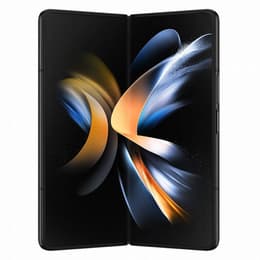
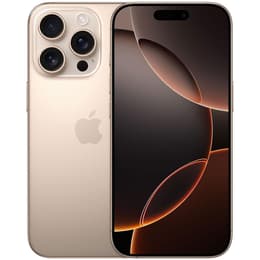

Galaxy Z Fold4 vs iPhone 16 Pro

Galaxy Z Fold4
Galaxy Z Fold4
Starting at

Refurbished price:A$734.00

Versus A$3,628.00 new

See options
iPhone 16 Pro
iPhone 16 Pro
Starting at

Refurbished price:A$1,116.00

Versus A$1,799.00 new

See options

Ratings

The Samsung Galaxy Z Fold4, released in August 2022, represents a significant offering in the foldable smartphone category, featuring a unique design that transforms from a compact device into a larger tablet-like experience. In contrast, the iPhone 16 Pro, launched in September 2024, is a premium traditional smartphone from Apple, focusing on refined performance, advanced camera capabilities, and a robust user experience within a familiar form factor. These devices cater to different user preferences, primarily distinguished by their operating systems and innovative display approaches.

Scores

Durability

When considering the long-term usability of a device, factors like software support, physical resilience, and ease of repair play a crucial role. The Galaxy Z Fold4 and iPhone 16 Pro offer distinct profiles in these areas.

  • Software Longevity: The Galaxy Z Fold4, initially running Android 12L, has received updates and is currently capable of running Android 16, indicating a commitment to ongoing software support from Samsung. Apple typically provides several years of iOS updates for its devices, meaning the iPhone 16 Pro can be expected to receive software support for an extended period, potentially offering a slightly longer update timeline due to its more recent release.
  • Physical Durability: The Galaxy Z Fold4 features an IPX8 water resistance rating, offering protection against liquid immersion, though it lacks an official dust resistance rating. Its hinge mechanism has demonstrated sturdiness in various tests, resisting bending. However, some users have reported issues with the pre-applied screen protector on the inner display, such as peeling or bubbling over time. The iPhone 16 Pro incorporates a titanium frame and a third-generation Ceramic Shield display, which Apple states is highly resistant to drops. While designed for drop protection, the display may still be susceptible to scratches, and some initial reports suggest that its ultra-thin bezels could make the screen more vulnerable to damage from corner impacts.
  • Repairability: The iPhone 16 Pro has shown significant improvements in repairability, earning a higher score from independent repair experts compared to previous iPhone models. This is attributed to design changes that allow easier access to internal components, such as the battery, from both the front and back of the device, and the use of electrically released adhesive for the battery. Information on the repairability of the Galaxy Z Fold4 suggests that while components can be replaced, the complex foldable design can present unique challenges, particularly concerning the inner display.

Release year

2022

2024

Compatible with latest Update

Yes

Yes

Foldable

Yes

No

Performance

Both devices are engineered to deliver robust performance for a wide range of tasks, though their underlying architectures and real-world usage experiences differ.

  • Everyday Responsiveness: The Galaxy Z Fold4 is powered by a processor designed to handle demanding applications and multitasking efficiently, ensuring smooth navigation and quick app loading. The iPhone 16 Pro features a current-generation processor that provides substantial power for complex computations, graphic-intensive games, and seamless transitions between applications, often noted for its sustained performance over time.
  • Multitasking Capabilities: With ample internal memory, the Galaxy Z Fold4 is well-suited for running multiple applications simultaneously, especially benefiting from its large internal display for split-screen workflows. The iPhone 16 Pro also offers a fluid multitasking experience, allowing users to switch between apps without noticeable slowdowns, supported by its optimized operating system.
  • Battery Behavior: The Galaxy Z Fold4 houses a 4400 mAh battery, which, combined with power-efficient display technology and processor, generally provides sufficient power for a full day of varied use, including video playback and 5G connectivity. The iPhone 16 Pro includes a larger battery capacity than its predecessor, contributing to improved endurance. Users often report that the iPhone 16 Pro can comfortably last through a full day, even with intensive usage such as travel or extensive photography.

Memory (GB)

12 GB

8 GB

Screen quality

The display experience is a primary differentiator between these two devices, with the Galaxy Z Fold4 offering a unique foldable design and the iPhone 16 Pro providing a refined traditional screen.

  • Display Technology and Clarity: The Galaxy Z Fold4 features two Dynamic AMOLED 2X displays: a 6.2-inch cover screen and a 7.6-inch foldable inner screen. Both offer vibrant colors, deep blacks, and a high resolution (2176 x 1812 for the main display), providing a clear and immersive viewing experience when unfolded. The iPhone 16 Pro utilizes an advanced OLED panel, known for its exceptional contrast, color accuracy, and sharp detail, making content appear lifelike.
  • Brightness and Refresh Rate: Both displays on the Galaxy Z Fold4 support an adaptive refresh rate of up to 120 Hz, contributing to smooth scrolling and responsive interactions. The iPhone 16 Pro's OLED display is expected to offer higher brightness levels for standard content, enhancing visibility in various lighting conditions, while maintaining a high peak brightness for HDR content. It also features an adaptive 120Hz refresh rate, ensuring fluid visuals.
  • Viewing Experience: The Galaxy Z Fold4's larger, foldable inner screen provides an expansive canvas ideal for productivity, media consumption, and gaming, offering a tablet-like experience in a pocketable form factor. The cover screen is also wider than its predecessor, improving usability when folded. The iPhone 16 Pro features a slightly larger display than its direct predecessor, with significantly thinner bezels, maximizing the screen-to-body ratio for an immersive viewing experience in a traditional smartphone design.

Resolution

1812 x 2176

1206 x 2622

Screen type

Foldable Dynamic AMOLED 2X

LTPO Super Retina XDR OLED

Audiovisual

Both the Galaxy Z Fold4 and the iPhone 16 Pro offer advanced camera systems designed to capture high-quality images and videos, though with some differences in their configurations and capabilities.

  • Rear Camera Systems: The Galaxy Z Fold4 is equipped with a versatile triple-camera setup, including a 50 MP wide-angle lens, a 12 MP ultrawide lens, and a 10 MP telephoto lens with 3x optical zoom. This system is capable of producing detailed and vibrant photos in various conditions, with improved low-light performance compared to its predecessor. The iPhone 16 Pro features a refined triple-camera system, including a 48 MP main camera, a new 48 MP ultrawide camera with enhanced low-light capabilities and macro functionality, and a 12 MP telephoto camera offering 5x optical zoom, a feature previously exclusive to the larger Pro Max model.
  • Photography and Video Features: The Galaxy Z Fold4 offers features like 30x digital zoom and the ability to use the main cameras for high-resolution selfies by utilizing the cover screen as a viewfinder. It supports video recording up to 8K resolution at 24 frames per second. The iPhone 16 Pro introduces a dedicated Camera Control button for quick access and operation, supports 4K video recording at up to 120 frames per second, and offers advanced features like Apple Log video and ProRAW photo formats for greater post-production flexibility.
  • Front-Facing Cameras: For selfies and video calls, the Galaxy Z Fold4 has a 10 MP camera on its cover display and a 4 MP under-display camera on the inner screen, with the latter being less visible and offering improved quality over previous generations. The iPhone 16 Pro features a 12 MP front-facing camera, known for its consistent performance in capturing detailed selfies and facilitating clear video calls.

Main camera

50 megapixels

48 megapixels

Front camera

4 megapixels

12 megapixels

Miscellaneous

Beyond core performance and display, several practical elements contribute to the overall user experience of these devices.

  • Connectivity and Ports: Both devices support 5G connectivity for fast mobile data. The Galaxy Z Fold4 includes Wi-Fi 6 and Bluetooth v5.2, along with a USB Type-C 3.2 port for charging and data transfer. The iPhone 16 Pro is expected to support the latest Wi-Fi standards (potentially Wi-Fi 6E or 7) and Bluetooth, and features a USB-C port, aligning with modern connectivity requirements.
  • Biometric Security and Sensors: The Galaxy Z Fold4 incorporates a side-mounted fingerprint scanner for secure unlocking, alongside other sensors like an accelerometer, gyroscope, and barometer. The iPhone 16 Pro relies on Face ID for secure facial recognition, offering a seamless unlocking experience.
  • Design and Handling: The Galaxy Z Fold4, with its foldable design, has a unique form factor. When folded, it is thicker and heavier than a traditional smartphone, weighing 263 grams, but offers a compact footprint. When unfolded, it provides a large, thin display. The iPhone 16 Pro maintains a traditional slate design, featuring a titanium frame. It is expected to have slightly larger dimensions than its predecessor due to an increased screen size, but with thinner bezels, aiming for an expansive display within a manageable form.

Weight

263 oz

199 oz

Screen size (in)

7.6

6.3

Network

5G

5G

SIM card

Physical SIM + eSIM

Physical SIM + eSIM

Carrier compatibility

Unlocked

Unlocked

The Samsung Galaxy Z Fold4 and iPhone 16 Pro cater to distinct user needs, each excelling in different aspects of the smartphone experience. Users often praise the Galaxy Z Fold4 for its innovative foldable design, which offers unparalleled versatility for multitasking and media consumption on its large internal display. The ability to transform a standard phone into a mini-tablet is a significant draw for those who prioritize screen real estate for productivity or entertainment. Its robust hinge and improved camera system also receive positive remarks. However, some users express concerns about the long-term durability of the inner screen's pre-applied protector and the device's overall thickness when folded.

The iPhone 16 Pro is frequently lauded for its powerful performance, consistently high-quality camera system, and the seamless integration of its operating system. Users appreciate the significant improvements in battery life, which now comfortably supports a full day of heavy use, and the enhanced repairability, making it a more sustainable choice for those who prefer to extend the lifespan of their devices. While its display is praised for brightness and clarity, some initial durability tests have raised questions about the resilience of its ultra-thin bezels against certain types of impacts.

Users prioritizing a large, adaptable screen for productivity, content creation, or immersive media experiences may find the Galaxy Z Fold4 well-suited to their needs. Its unique form factor offers a distinct advantage for those who frequently switch between phone and tablet modes. Conversely, individuals who value a consistently powerful and refined traditional smartphone experience, with a focus on advanced photography, extended battery life, and improved repairability, may lean toward the iPhone 16 Pro. Both devices represent premium offerings in their respective categories, and for those considering a quality-assured refurbished option, both models are available, providing an eco-friendly alternative to new purchases.


See all articles

Our recent comparisons