Compare models
Galaxy S26 Ultra vs iPhone 15 Plus
- 1-year warranty
- Free standard shipping
- Free 30-day returns
Differences at a glance
The Samsung Galaxy S26 Ultra (2026) and the Apple iPhone 15 Plus (2023) represent distinct approaches to large-screen smartphone design across Android and iOS platforms. While the Galaxy S26 Ultra runs on Android with an emphasis on integrated stylus productivity and multi-lens versatility, the iPhone 15 Plus operates on iOS focusing on streamlined everyday reliability and streamlined media consumption. Both devices cater to users seeking expansive displays, though they differ significantly in their launch timelines, operating systems, and core hardware philosophies.
Available Models
Colour
Storage
Scores
Durability
When comparing the expected operational lifespan and structural longevity of the Galaxy S26 Ultra and the iPhone 15 Plus, several factors involving release dates and software support windows come into play.
- Release Timeline and Software Support: The Galaxy S26 Ultra launched in 2026 and benefits from an extended multi-year manufacturer update commitment for both security and operating system upgrades. The iPhone 15 Plus, released in 2023, operates within Apple's established support ecosystem, which typically provides software updates for several years following a device's initial market introduction.
- Repairability and Build Longevity: Both manufacturers employ durable frame constructions and hardened glass protection to resist daily wear and tear. Service availability for screen and battery replacements is widely established through authorized and independent repair networks for both models, supporting long-term usability.
Release year
2026
2023
Operating system
Android
iOS
Foldable
No
No
Performance
Performance capabilities vary noticeably between the two models due to generation gaps in hardware design, memory configurations, and operating system optimizations.
- Processor and Multitasking: The Galaxy S26 Ultra handles demanding applications, intensive background tasks, and high-frame-rate mobile gaming smoothly thanks to its current-generation processor and larger RAM capacity. The iPhone 15 Plus relies on a previous-generation processor paired with efficient memory allocation, delivering dependable execution for routine daily tasks, media streaming, and moderate multitasking.
- Storage and Battery Efficiency: Storage tiers begin at higher baseline capacities on the Samsung flagship, whereas the Apple model offers varying capacity options starting from a standard baseline. Battery behavior on both devices easily supports a full day of mixed usage, with the large cell capacities accommodating extended video playback and constant connectivity.
Screen quality
Display characteristics define a major part of the user experience on both large-screen handsets, offering bright and clear viewing spaces for various lighting conditions.
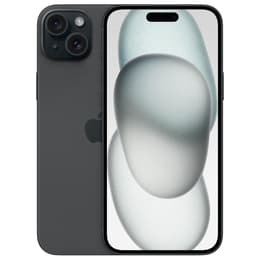
- Display Technology and Clarity: The Galaxy S26 Ultra features a large AMOLED panel with high resolution, deep contrast levels, and anti-reflective properties. The iPhone 15 Plus utilizes an OLED Super Retina XDR display equipped with the Dynamic Island interface, producing vivid colors and sharp text rendering.
- Outdoor Brightness and Refresh Rate: Both screens reach high peak brightness levels to maintain visibility under direct sunlight. The Samsung model includes an adaptive refresh rate reaching up to 120Hz for fluid scrolling, while the Apple model operates at a standard refresh rate.
Resolution
1440x3120
1290 x 2796
Audiovisual
Camera systems and multimedia output cater to different photography styles and media consumption preferences across these two devices.
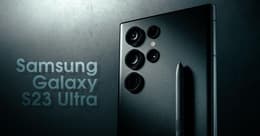
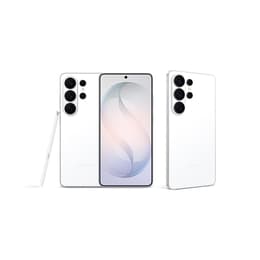
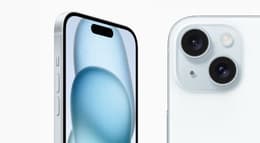
- Camera Hardware and Versatility: The Galaxy S26 Ultra incorporates a quad-camera array featuring a very high-resolution main sensor alongside dedicated telephoto lenses designed for distant optical zoom. The iPhone 15 Plus uses a dual-camera system emphasizing simplified point-and-shoot photography with computational image processing for everyday snapshots and stable video recording.
- Audio and Media Output: Stereo speaker setups on both devices deliver clear sound output for hands-free calls, podcasts, and casual video viewing, complemented by responsive microphone arrays for voice clarity.
Miscellaneous
Practical daily usability elements, connectivity standards, and physical handling traits shape how each smartphone fits into routine activities.
- Connectivity and Ports: The Galaxy S26 Ultra features modern 5G capabilities, advanced wireless standards, and a USB-C port, alongside an integrated stylus silo. The iPhone 15 Plus also relies on a USB-C charging port and supports widespread 5G networks alongside secure facial recognition.
- Physical Dimensions and Handling: The Samsung model carries a slightly heavier footprint with squared-off corners to accommodate its built-in tool, whereas the iPhone 15 Plus offers rounded aluminum edges that provide a comfortable grip for its large form factor. Choosing a quality-assured refurbished option provides an eco-friendly alternative for conscious buyers looking to reduce electronic waste.
Weight
214 oz
201 oz
Screen size (in)
6.9
6.7
Network
5G
5G
SIM card
Physical SIM + eSIM
Physical SIM + eSIM
Carrier compatibility
Unlocked
Unlocked
What the community thinks
User feedback from online communities highlights distinct preferences for each device based on everyday workflow requirements. Owners of the Galaxy S26 Ultra frequently praise its expansive viewing area, flexible multi-lens camera system, and integrated productivity features. Conversely, users of the iPhone 15 Plus often commend its reliable battery efficiency, straightforward operating system layout, and comfortable ergonomics for media consumption.
Users prioritizing advanced multi-lens photography, high refresh rate visuals, and stylus-based productivity may prefer the Galaxy S26 Ultra. Meanwhile, users prioritizing a streamlined software interface, reliable daily performance, and ecosystem simplicity will lean toward the iPhone 15 Plus. For buyers seeking a sustainable choice, opting for a quality-assured refurbished device from Back Market allows consumers to make an environmentally conscious purchase without compromising on modern functional standards.