Compare models
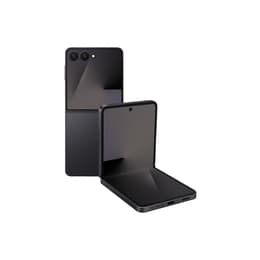
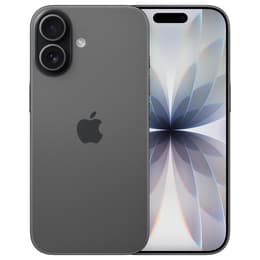
Galaxy Z Flip7 vs iPhone 17
- 1-year warranty
- Free standard shipping
- Free 30-day returns
Differences at a glance
The Samsung Galaxy Z Flip7 (2025) and the Apple iPhone 17 (2025) represent two distinct visions of contemporary smartphone design, contrasting a flexible clamshell form factor with a traditional slate layout. While both devices operate at the modern tier of mobile technology, they differ fundamentally in construction, operating software, and everyday ergonomics, catering to very different user preferences.
Available Models
Colour
Storage (GB)
Scores
Durability
Both smartphones launched in mid-to-late 2025 and are built to support modern software ecosystems over a multi-year span, though their physical designs introduce unique durability considerations.
- Software Support: Both manufacturers provide long-term operating system updates and security patches, ensuring both models remain current for years following their release.
- Physical Construction: The iPhone 17 utilizes a rigid slate body with reinforced front glass, whereas the Galaxy Z Flip7 features a folding internal display and a hinge mechanism that requires careful handling over extended daily use.
- Repairability: Traditional slate designs generally offer straightforward mechanical servicing compared to folding assemblies, making long-term upkeep a point of comparison for users keeping devices past standard upgrade cycles.
Release year
2025
2025
Operating system
Android
iOS
Foldable
Yes
No
Performance
Underneath their respective interfaces, both devices handle demanding modern workloads, multitasking, and resource-heavy applications with reliable fluidity.
- System Responsiveness: Both models transition smoothly between heavy productivity apps, media streaming, and casual gaming without noticeable stutter or thermal throttling during typical tasks.
- Memory and Storage: Both devices come equipped with ample base storage configurations and high-speed memory architectures to support background multitasking and local media management.
- Battery Behavior: Battery endurance varies based on active screen time, with the slate device managing power efficiently across a standard single-screen layout, while the foldable model distributes power between its outer cover display and its larger internal screen.
Screen quality
Display technology defines the primary visual interaction for both devices, offering high-contrast panels suited for varied lighting environments.
- Display Architecture: The iPhone 17 features a rigid OLED panel with an adaptive high refresh rate for smooth scrolling, while the Galaxy Z Flip7 utilizes a folding OLED internal panel paired with an expansive outer cover screen for quick interactions.
- Outdoor Visibility: Both screens reach high peak brightness levels, ensuring clear legibility and vibrant color reproduction under direct sunlight.
- Viewing Experience: The slate display provides a seamless, uninterrupted canvas for media consumption, whereas the foldable panel introduces a crease along the fold line that is visible under certain viewing angles.
Audiovisual
Imaging capabilities on both smartphones cater to everyday creators and casual photographers through multi-lens rear arrays and advanced image processing software.
- Rear Camera Systems: Both models feature high-resolution main and ultra-wide sensors that capture sharp detail, accurate colors, and reliable performance in low-light environments.
- Front-Facing Optics: The iPhone 17 integrates an upgraded selfie camera designed for clear video calls and sharp portraits, while the Galaxy Z Flip7 leverages its folding design to double the outer screen as a preview monitor for hands-free photography.
- Audio and Video: Integrated microphone arrays capture clear audio for calls and video recording, complemented by balanced stereo speakers that deliver immersive sound for media playback.
Miscellaneous
Practical everyday features, connectivity standards, and physical dimensions shape how each device fits into daily routines and travel requirements.
- Connectivity Standards: Both devices support modern 5G networks, fast Wi-Fi protocols, and reliable Bluetooth pairing for accessories and smart devices.
- Physical Handling: The iPhone 17 maintains a conventional, pocket-friendly slate profile with balanced weight distribution, whereas the Galaxy Z Flip7 folds in half to occupy significantly less pocket space while adding slight thickness when closed.
- Security and Ports: Both models utilize modern biometric authentication systems for secure unlocking and rely on reversible USB-style cable standards for wired charging and data transfer.
Weight
188 oz
177 oz
Screen size (in)
6.9
6.3
Network
5G
5G
SIM card
Physical SIM + eSIM
Physical SIM + eSIM
Carrier compatibility
Unlocked
Unlocked
What the community thinks
Choosing between these two devices depends largely on hardware preference and ecosystem familiarity. Users prioritizing a compact, pocketable footprint with versatile hands-free framing angles often lean toward the Galaxy Z Flip7, while those seeking a traditional rigid slate experience with streamlined software integration tend to prefer the iPhone 17. For buyers exploring sustainable technology paths, opting for a quality-assured refurbished option provides an eco-friendly way to access modern smartphone features without purchasing brand-new hardware. Reviewing personal priorities regarding screen mechanics and operating systems will ultimately guide the most suitable choice for individual daily workflows.