
Compare models

Galaxy Z Flip7 vs Google Pixel 9 Pro XL

  • 1-year warranty
  • Free standard shipping
  • Free 30-day returns
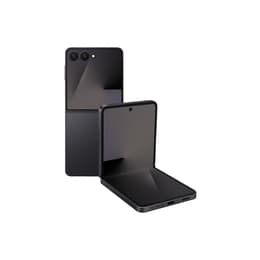
Galaxy Z Flip7
Starting at

Refurbished price:A$840.00

Versus A$1,799.00 new

See options
Google Pixel 9 Pro XL
Starting at

Refurbished price:A$767.00

Versus A$1,849.00 new

See options

Differences at a glance

The Samsung Galaxy Z Flip7 (2025) and the Google Pixel 9 Pro XL (2024) represent two distinct approaches to modern smartphone design, contrasting a clamshell foldable form factor with a traditional large-screen slab build. Both devices run on the Android operating system while offering completely different physical footprints, display layouts, and user experiences tailored to distinct daily habits.

Available Models

Colour

Storage (GB)

Scores

Durability

Evaluating the long-term durability and support lifecycle reveals key structural and software differences between these two models, impacting how long each device remains current in daily use.

    Release timeline and build: The Pixel 9 Pro XL arrived in late 2024, whereas the Galaxy Z Flip7 launched in mid-2025, giving the foldable model a slightly newer hardware generation baseline.
    Software support: Both manufacturers provide extensive multi-year software maintenance plans, ensuring that users receive regular security updates and operating system upgrades well into the future.
    Physical longevity: The Pixel 9 Pro XL relies on a traditional rigid glass-and-metal slab construction, while the Galaxy Z Flip7 features a folding hinge mechanism that requires mindful handling over years of frequent opening and closing.

Release year

2025

2024

Operating system

Android

Android

Foldable

Yes

No

Performance

Underneath their outer shells, both devices manage multitasking, demanding applications, and background processes smoothly, though they approach hardware configuration differently.

    Memory and storage: The Pixel 9 Pro XL equips generous RAM to handle intensive background tasks and on-device machine learning features, while the Galaxy Z Flip7 balances robust memory provisions with flexible storage tiers.
    Real-world processing: Both models handle everyday navigation, media streaming, and fast app switching without stutter, ensuring responsive system navigation during heavy daily workloads.
    Battery endurance: The Pixel 9 Pro XL houses a larger physical battery capacity suited for extended uninterrupted use, whereas the Galaxy Z Flip7 distributes its power management across both an external cover display and an internal folding screen.

Screen quality

Visual output and display versatility differ significantly due to the physical design variations of each smartphone model.

    Display technology: The Galaxy Z Flip7 utilizes a flexible folding OLED panel paired with a larger, functional external cover screen, while the Pixel 9 Pro XL offers a rigid, expansive high-resolution flat OLED viewing area.
    Outdoor visibility: Both screens reach high peak brightness levels, allowing for clear legibility and vibrant contrast when used under direct sunlight.
    Motion smoothness: Each device features adaptive refresh rates scaling up to a high frequency, ensuring fluid scrolling through web pages, documents, and user interface menus.

Resolution

1080x2520

1344 x 2992

Audiovisual

Optics and media playback capabilities cater to varying content creation styles and everyday multimedia consumption preferences.

    Camera configurations: The Pixel 9 Pro XL features a versatile triple-lens rear setup including a dedicated optical zoom lens, while the Galaxy Z Flip7 employs a dual-lens primary system that benefits from the flexibility of propping the phone up independently for photos.
    Media and audio: Both smartphones deliver clear stereo sound output suitable for hands-free calls, casual video viewing, and listening to podcasts without external speakers.
    Low-light performance: Advanced image processing on both handsets helps capture balanced exposures and accurate colors in dimly lit environments.

Miscellaneous

Practical everyday usability factors such as connectivity standards, physical dimensions, and security sensors shape how each phone fits into daily routines.

    Connectivity and ports: Both models support modern 5G networks, Wi-Fi standards, and Bluetooth pairing, utilizing reversible USB-C ports for charging and data transfer.
    Security features: The Pixel 9 Pro XL uses an under-display ultrasonic fingerprint scanner, whereas the Galaxy Z Flip7 places its fingerprint sensor on the side power button alongside facial recognition options.
    Portability: The Pixel 9 Pro XL provides a wide, traditional slab footprint that requires two-handed use, while the Galaxy Z Flip7 folds compactly to slip easily into smaller pockets and bags. Buyers exploring a quality-assured refurbished option can find these models as sustainable alternatives that reduce electronic waste.

Weight

188 oz

221 oz

Screen size (in)

6.9

6.8

Network

5G

5G

SIM card

Physical SIM + eSIM

Physical SIM + eSIM

Carrier compatibility

Unlocked

Unlocked

What the community thinks

User community discussions indicate that the Google Pixel 9 Pro XL receives frequent praise for its reliable battery stamina, expansive screen estate, and comprehensive multi-lens camera versatility, though some users note its large footprint can feel heavy during one-handed operation. Conversely, the Samsung Galaxy Z Flip7 draws positive feedback for its pocket-friendly folding design and useful outer cover screen, though users occasionally mention the visible screen crease as a trade-off inherent to foldable technology.

Users prioritizing a traditional, large-screen viewing experience with dedicated optical zoom capabilities may prefer the Pixel 9 Pro XL, while users valuing maximum portability and a compact footprint for travel will lean toward the Galaxy Z Flip7. Evaluating these distinct physical formats helps match each device to individual workflow requirements, and choosing a quality-assured refurbished model provides an eco-friendly pathway to acquiring either handset.


Our recent comparisons