
Compare models

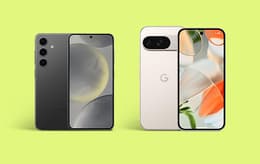
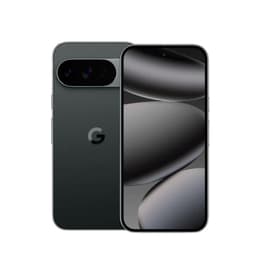
Google Pixel 10 Pro XL vs Google Pixel 9 Pro XL

  • 1-year warranty
  • Free standard shipping
  • Free 30-day returns
Google Pixel 10 Pro XL
Starting at

Refurbished price:A$899.00

Versus A$1,434.00 new

See options
Google Pixel 9 Pro XL
Starting at

Refurbished price:A$767.00

Versus A$1,849.00 new

See options

Differences at a glance

The Google Pixel 9 Pro XL (2024) and the Google Pixel 10 Pro XL (2025) represent consecutive generations of large-format smartphones from Google. Both devices run on the Android operating system and share a similar physical footprint, but the newer model introduces subtle internal refinements and updated power management capabilities.

While they offer comparable daily user experiences, understanding their distinct hardware tweaks helps determine which option fits specific daily requirements.

Available Models

Colour

Storage (GB)

Scores

Durability

When examining longevity and physical durability, both large-screen handsets are engineered to endure years of regular use while receiving long-term software support.

  • Software longevity and update windows: Both models benefit from extended software support timelines lasting several years from launch, ensuring consistent security patches and operating system updates well into the future, though the newer model provides an extra year of potential support simply due to its later release date.
  • Repairability and physical build: Both units feature robust glass and metal construction paired with high-level water and dust resistance ratings, while component accessibility remains standard for modern flagship electronics.
  • Expected practical lifespan: Due to generous baseline memory configurations on both devices, each option maintains enough underlying headroom to handle routine background tasks and system updates smoothly over a multi-year ownership cycle.

Release year

2025

2024

Operating system

Android

Android

Foldable

No

No

Performance

Processing capabilities and day-to-day responsiveness are central to how these large-format smartphones handle heavy workloads and multitasking.

  • Multitasking and app switching: Both devices handle demanding applications, split-screen viewing, and background processes smoothly without noticeable stutter, aided by generous memory allocations that keep multiple apps active simultaneously.
  • Battery behavior and daily endurance: The newer model features a slightly larger internal battery capacity and more efficient power management, translating to dependable all-day usage under mixed conditions, whereas its predecessor offers similar daily longevity with marginally smaller capacity reserves.
  • System fluidity: Everyday actions like launching software, navigating menus, and loading intensive web pages occur with minimal delay on both handsets thanks to current-generation processing architecture.

Screen quality

Visual output and display performance on these large screens prioritize clarity, smooth motion, and outdoor legibility.

  • Display technology and clarity: Both smartphones utilize large OLED panels matching high resolutions, delivering deep black levels, high contrast ratios, and sharp text rendering for reading and media consumption.
  • Outdoor brightness: High peak brightness capabilities on both screens ensure that menus and notifications remain legible even under direct sunlight.
  • Refresh rate smoothness: Adaptive refresh rates scaling up to a high frequency ensure that scrolling through web feeds and animations appears fluid on both devices.

Resolution

1344x2992

1344 x 2992

Audiovisual

Imaging and multimedia hardware cater to users looking for versatile mobile photography and crisp audio playback.

  • Camera versatility: Both models feature a triple-lens rear setup consisting of a primary wide lens, an ultra-wide lens, and a dedicated telephoto zoom lens, supported by advanced computational photography software for clear shots in various lighting conditions.
  • Video and low-light capture: Low-light recording and stabilization tools perform capably on both handsets, helping maintain detail in challenging lighting environments.
  • Audio output: Integrated stereo speakers deliver clear sound for hands-free calls and casual media streaming, though neither device includes a traditional headphone jack.

Miscellaneous

Practical daily features, physical dimensions, and connectivity standards shape the everyday handling of these large smartphones.

  • Connectivity and ports: Both handsets support modern fifth-generation cellular networks, Wi-Fi standards, and Bluetooth connections, utilizing reversible USB-C ports for charging and data transfer.
  • Biometrics and sensors: Secure unlocking is handled via responsive under-display fingerprint sensors and facial recognition systems.
  • Dimensions and handling: Both devices share nearly identical large form factors and substantial weights, making them well-suited for two-handed use and expansive viewing experiences.

Weight

232 oz

221 oz

Screen size (in)

6.8

6.8

Network

5G

5G

SIM card

Physical SIM + eSIM

Physical SIM + eSIM

Carrier compatibility

Unlocked

Unlocked

What the community thinks

Real-world user feedback indicates that owners appreciate the reliable camera systems, crisp large displays, and smooth daily operation found on both generations of these Google flagships. Common discussions often center on the incremental nature of year-over-year upgrades, with users noting that physical designs remain largely consistent between models. For those exploring sustainable choices, choosing a quality-assured refurbished option provides a practical way to access these high-end features while reducing electronic waste.

Users prioritizing maximum battery capacity and the latest power management refinements may lean toward the newer Google Pixel 10 Pro XL, while users who find attractive alternatives in earlier hardware generations will discover that the Google Pixel 9 Pro XL delivers a nearly identical core experience. Weighing personal preferences for release timing and minor charging enhancements will guide the final decision without a need to rank one device above the other.