
Google Pixel 9 Pro XL vs iPhone 16 Pro Max

Google Pixel 9 Pro XL
Starting at

Refurbished price:A$853.00

Versus A$1,849.00 new

See options
iPhone 16 Pro Max
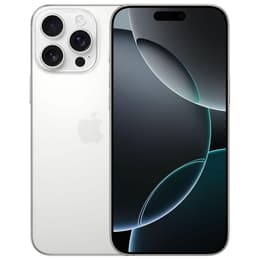
iPhone 16 Pro Max
Starting at

Refurbished price:A$1,309.00

Versus A$2,149.00 new

See options

Ratings

The Google Pixel 9 Pro XL and the iPhone 16 Pro Max, both released in late 2024, represent the pinnacle of their respective operating systems. While the Pixel 9 Pro XL focuses on advanced computational photography and a deeply integrated AI experience within the Android ecosystem, the iPhone 16 Pro Max emphasizes raw performance, a refined iOS experience, and a robust camera system. These devices cater to users seeking a premium smartphone experience, each with a distinct approach to mobile technology.

Scores

Durability

When considering the long-term usability of these devices, both the Pixel 9 Pro XL and the iPhone 16 Pro Max offer substantial software support and robust build quality, though their approaches differ.

  • Software Longevity: The Google Pixel 9 Pro XL is part of Google's commitment to providing seven years of OS, security, and Pixel Feature Drop updates, ensuring a long period of fresh features and protection. The iPhone 16 Pro Max, while not having a publicly stated fixed number of years, typically receives major iOS updates for around 5-7 years, with security patches often extending beyond that.
  • Build Materials: The Pixel 9 Pro XL features Gorilla Glass Victus 2 on both the front and back, along with a matte finish that resists fingerprints. The iPhone 16 Pro Max utilizes a titanium frame, known for its strength and lighter weight, combined with a Ceramic Shield front cover for enhanced drop protection.
  • Repairability Trends: Both Google and Apple have shown increased commitment to repairability, with initiatives like self-repair programs and improved ease of disassembly. This trend suggests that both devices are designed with a longer practical lifespan in mind, allowing for component replacement to extend their use.

Release year

2024

2024

Compatible with latest Update

Yes

Yes

Foldable

No

No

Performance

Both the Google Pixel 9 Pro XL and the iPhone 16 Pro Max are engineered for high performance, handling demanding applications and multitasking with ease, though they achieve this through different hardware and software optimizations.

  • Processing Power: The Pixel 9 Pro XL is powered by Google's Tensor G4 chip, designed for efficient everyday use and optimized for advanced AI models, including Gemini Nano with Multimodality. The iPhone 16 Pro Max features the A18 Pro chip, which offers significant CPU and GPU speed improvements over its predecessor, particularly benefiting AI-related tasks and overall system responsiveness.
  • Multitasking and Storage: The Pixel 9 Pro XL comes with 16GB of RAM, with some reserved for on-device AI, ensuring smooth operation even with numerous apps open. The iPhone 16 Pro Max typically offers 8GB of memory, which, combined with iOS's efficient memory management, provides a fluid multitasking experience. Both devices offer various storage options, catering to users with extensive media libraries or large application needs.
  • Battery Behavior: The iPhone 16 Pro Max is tipped to use stacked battery technology, potentially allowing for increased capacity and improved battery life. The Pixel 9 Pro XL also offers robust battery performance, with improvements over previous generations, ensuring it can last through a full day of typical use.

Memory (GB)

16 GB

8 GB

Screen quality

The display on both the Google Pixel 9 Pro XL and the iPhone 16 Pro Max offers a premium visual experience, characterized by vibrant colors, high resolution, and smooth interactions, though with slight differences in specifications and overall presentation.

  • Display Technology and Clarity: The Pixel 9 Pro XL features a 6.8-inch Super Actua LTPO OLED display with a resolution of 2992 x 1344 pixels, providing sharp and detailed visuals. The iPhone 16 Pro Max sports a 6.9-inch Super Retina XDR OLED panel with a 2868 x 1320 pixel resolution, ensuring crisp text and vivid imagery.
  • Brightness and Refresh Rate: The Pixel 9 Pro XL's display can reach up to 3,000 nits peak brightness, making it highly visible even in direct sunlight. The iPhone 16 Pro Max offers a typical brightness of 1000 nits and a peak of 2000 nits, with both devices featuring adaptive refresh rates up to 120Hz for smooth scrolling and responsive gaming.
  • Viewing Experience: Both phones provide an immersive viewing experience with minimal bezels. The Pixel 9 Pro XL's flat display and aspect ratio contribute to a spacious feel, while the iPhone 16 Pro Max's slightly larger screen and optimized ergonomics aim for comfortable one-handed use despite its size.

Resolution

1344 x 2992

1320 x 2868

Screen type

LTPO OLED

LTPO Super Retina XDR OLED

Audiovisual

Both the Google Pixel 9 Pro XL and the iPhone 16 Pro Max are equipped with advanced camera systems designed to capture high-quality photos and videos, each leveraging their respective strengths in image processing and hardware.

  • Rear Camera Systems: The Pixel 9 Pro XL features a triple-camera setup, including a 50-megapixel main sensor, a 48-megapixel ultrawide, and a 48-megapixel telephoto lens with 5x optical zoom. The iPhone 16 Pro Max also boasts a pro camera system with a 48-megapixel wide, a 48-megapixel ultrawide, and a 12-megapixel 5x telephoto lens, with the ultrawide optimized for low-light conditions.
  • Photography Features: The Pixel 9 Pro XL benefits from Google's computational photography, including an improved HDR pipeline, enhanced Night Sight, and AI-powered features like Magic Editor with Auto Frame and Reimagine. The iPhone 16 Pro Max offers features like advanced stabilization, Cinema Mode for video, and the ability to shoot in raw format.
  • Video Recording and Audio: Both devices support 4K video recording at 60 frames per second, with the iPhone 16 Pro Max also capable of 4K at 120 frames per second for smoother high-definition videos. While specific microphone and speaker details are not always highlighted, both are expected to deliver clear audio for calls and a rich experience for media consumption, building on the strong foundations of their predecessors.

Main camera

50 megapixels

48 megapixels

Front camera

42 megapixels

12 megapixels

Miscellaneous

Beyond core performance and camera capabilities, several practical elements differentiate the user experience of the Google Pixel 9 Pro XL and the iPhone 16 Pro Max, influencing daily handling and connectivity.

  • Connectivity and Ports: Both devices support 5G for fast cellular data and Wi-Fi 7 for advanced wireless connectivity. The Pixel 9 Pro XL includes Bluetooth 5.3 and a dual SIM setup (nano SIM + eSIM). The iPhone 16 Pro Max also supports Bluetooth 5.3 and features a USB-C port, aligning with modern connectivity standards.
  • Biometrics and Security: The Pixel 9 Pro XL incorporates an in-display ultrasonic fingerprint scanner that works even with wet fingers, alongside facial scanning for secure unlocking and authentication. The iPhone 16 Pro Max relies on its advanced facial recognition system for secure access.
  • Dimensions and Materials: The Pixel 9 Pro XL measures 162.8 x 76.6 x 8.5mm and weighs 221 grams, offering a substantial feel. The iPhone 16 Pro Max, with its 6.9-inch display, has dimensions of 163.0 x 77.6 x 8.25 mm and weighs 227 grams, utilizing a titanium design for a premium and durable build.

Weight

221 oz

227 oz

Screen size (in)

6.8

6.9

Network

5G

5G

SIM card

Physical SIM + eSIM

Physical SIM + eSIM

Carrier compatibility

Unlocked

Unlocked

The Google Pixel 9 Pro XL and the iPhone 16 Pro Max each offer a compelling high-end smartphone experience, tailored to different user preferences. Users often praise the Pixel line for its exceptional computational photography, delivering consistent and vibrant images, particularly in challenging conditions. The deep integration of Google's AI features, such as advanced call screening and photo editing capabilities, are frequently highlighted as significant advantages, making daily tasks more intuitive and efficient. Some users, however, may find the Android ecosystem less restrictive for customization, while others might prefer the more curated experience of iOS.

Conversely, the iPhone 16 Pro Max is often lauded for its powerful and efficient performance, providing a consistently smooth user experience across applications and gaming. Its robust build quality and the seamless integration within Apple's ecosystem are also common points of praise. While the camera system is highly capable, some users might find Google's AI-driven photo enhancements more appealing for certain scenarios. The choice between these two devices often comes down to a preference for operating system and specific feature priorities.

Users prioritizing an AI-centric experience, advanced computational photography, and a highly customizable operating system may find the Google Pixel 9 Pro XL well-suited to their needs. Those who value raw processing power, a tightly integrated ecosystem, and a refined user interface might lean towards the iPhone 16 Pro Max. Both devices represent excellent choices, and considering a quality-assured refurbished option for either model can be an eco-friendly alternative to purchasing new.
See all articles

Our recent comparisons