iPhone
Compare models
Differences at a glance
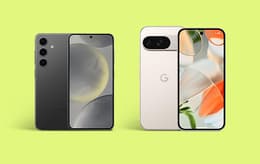
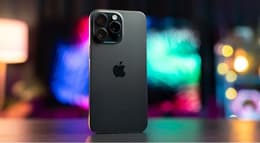
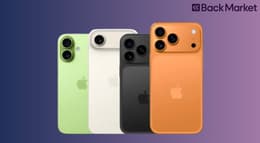
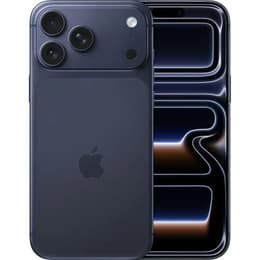
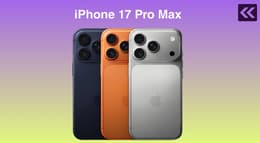
The Google Pixel 9 Pro XL (2024) and the iPhone 17 Pro Max (2025) represent large-format flagship smartphones from competing technology ecosystems. While both devices cater to users seeking expansive screens and advanced mobile capabilities, they differ fundamentally in their operating software, hardware layout, and ecosystem integration. The Google Pixel 9 Pro XL runs on Android with deep artificial intelligence integration, whereas the iPhone 17 Pro Max operates on iOS with a focus on seamless hardware synergy.
Colour
Storage (GB)
When evaluating hardware longevity and software support, both devices offer robust durability features while utilizing different update models. The Google Pixel 9 Pro XL benefits from a 2024 release date, while the iPhone 17 Pro Max arrived in late 2025.
Release year
Compatible with latest Update
Operating system
Foldable
Daily responsiveness and multitasking capabilities vary based on internal resource management and software optimization. Both devices handle demanding applications and intensive multitasking without notable friction.
Visual output across both large-format displays delivers sharp detail and high contrast for media consumption and text readability. Each device utilizes advanced display technology tailored to outdoor visibility.
Resolution
Screen type
Imaging capabilities on these flagship models accommodate diverse photography styles, ranging from everyday snapshots to detailed long-range zoom photography.
Main camera
Front camera
Physical dimensions and connectivity standards define how each device integrates into an owner's daily routine and travel gear.
Weight
Screen size (in)
Network
SIM card
Carrier compatibility
User discussions across public forums frequently highlight the Google Pixel 9 Pro XL for its intuitive photo editing tools, reliable voice-to-text accuracy, and clean software interface. Conversely, owners of the iPhone 17 Pro Max frequently praise its robust build quality, efficient power management during extended media sessions, and smooth integration within the broader Apple hardware ecosystem. Common criticisms for the Pixel occasionally center on its substantial camera bar protrusion, while iPhone discussions sometimes note the heavier overall weight during prolonged one-handed operation.
Users prioritizing deep software customization, integrated conversational artificial intelligence assistants, and standard Android flexibility will find the Google Pixel 9 Pro Max well-suited to their workflow. Meanwhile, users who value long-term resale retention, unified accessory ecosystems, and optimized video recording tools often lean toward the iPhone 17 Pro Max. For those seeking a quality-assured refurbished option, both devices are available through sustainable retail channels that extend product lifecycles without compromising on performance standards.