
Compare models

Galaxy Z Flip7 vs Google Pixel 9 Pro Fold

  • 1-year warranty
  • Free standard shipping
  • Free 30-day returns
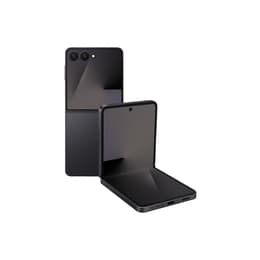
Galaxy Z Flip7
Starting at

Refurbished price:A$840.00

Versus A$1,799.00 new

See options
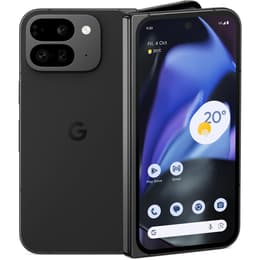
Google Pixel 9 Pro Fold
Starting at

Refurbished price:A$939.00

Versus A$2,697.00 new

See options

Differences at a glance

The Samsung Galaxy Z Flip7 (2025) and the Google Pixel 9 Pro Fold (2024) represent two distinct approaches to foldable smartphone design: a compact clamshell style and a book-style device that opens into a tablet-sized screen. While both handsets deliver modern foldable engineering, they cater to different user preferences regarding screen real estate, form factor, and daily utility. Both run on the Android operating system, though each features a distinct interface tailored to its unique physical layout.

Available Models

Colour

Storage (GB)

Scores

Durability

When evaluating the long-term viability and physical durability of these two foldables, differences in release timing, software update commitments, and structural build shape user expectations.

  • Software longevity: The Google Pixel 9 Pro Fold benefits from an extended multi-year update commitment, while the Galaxy Z Flip7 relies on Samsung's standard software support timeline matching its later release year.
  • Build and hinge endurance: Both devices feature robust hinge mechanisms and aluminum frames, though clamshell designs like the Galaxy Z Flip7 generally experience less stress on their primary folding screen during routine pocket storage.
  • Repairability and lifespan: Folding screens require careful handling over time, but both manufacturers provide structured repair services to maintain hardware functionality across several years of daily use.

Release year

2025

2024

Operating system

Android

Android

Foldable

Yes

Yes

Performance

Underneath their folding displays, both devices handle intensive daily operations, multitasking, and media consumption through capable internal processors and generous memory configurations.

  • Multitasking capacity: The Google Pixel 9 Pro Fold features higher random access memory allocations, making it well-suited for running multiple side-by-side applications simultaneously on its expansive inner screen.
  • System responsiveness: Both handsets manage everyday app loading, web browsing, and demanding mobile games smoothly, maintaining steady performance throughout active use cycles.
  • Battery endurance: The Galaxy Z Flip7 manages power efficiency through its compact form factor, whereas the Pixel 9 Pro Fold houses a larger battery capacity to sustain its dual-screen configuration over a full day.

Screen quality

Display technology defines the core experience of any foldable device, and these two models offer contrasting viewing setups for outdoor and indoor use.

  • Display formats: The Galaxy Z Flip7 utilizes a tall clamshell folding panel alongside a wide cover screen, whereas the Pixel 9 Pro Fold opens into a nearly square tablet-sized inner display complemented by a standard outer screen.
  • Outdoor visibility: Both models achieve high peak brightness levels, ensuring that text and images remain legible under direct sunlight on both inner and outer panels.
  • Smooth visuals: High refresh rate support across all screens on both devices ensures fluid scrolling, responsive touch tracking, and seamless transitions when opening or closing the hardware.

Resolution

1080x2520

2076 x 2152

Audiovisual

Imaging capabilities and media output vary significantly based on the physical camera hardware integrated into each distinct device layout.

  • Camera versatility: The Pixel 9 Pro Fold includes a dedicated optical zoom lens alongside its main and ultra-wide sensors, while the Galaxy Z Flip7 relies primarily on a dual rear camera system supplemented by flexible folding angles for self-portraits.
  • Low-light and video capture: Both devices incorporate automated image processing to handle challenging lighting conditions and record stable video clips in high resolutions.
  • Media and audio output: Stereo speakers on both handsets deliver clear sound reproduction for hands-free calls, video streaming, and casual media playback.

Miscellaneous

Practical daily utility is shaped by physical dimensions, biometric security features, and connectivity standards built into each chassis.

  • Portability and weight: The Galaxy Z Flip7 is lighter and folds into a compact square that fits easily into small pockets, while the Pixel 9 Pro Fold offers a wider profile that transforms into a larger handheld workspace.
  • Biometric authentication: Both models provide responsive fingerprint sensors integrated into their side power buttons alongside facial recognition capabilities.
  • Connectivity options: Each device supports modern fifth-generation mobile networks, fast wireless charging standards, and standard dual-SIM functionality through physical and electronic SIM cards.

Weight

188 oz

257 oz

Screen size (in)

6.9

8.0

Network

5G

5G

SIM card

Physical SIM + eSIM

Physical SIM + eSIM

Carrier compatibility

Unlocked

Unlocked

What the community thinks

User feedback on community forums highlights distinct preferences for each foldable design. Owners of the Galaxy Z Flip7 frequently praise its pocket-friendly footprint, expanded outer screen utility, and comfortable one-handed usability when closed. Conversely, users of the Google Pixel 9 Pro Fold often emphasize the productivity advantages of the expansive tablet-sized inner screen and the versatility of the multi-lens camera array. Choosing between these devices depends largely on physical preference: users prioritizing pocketability and a compact clamshell format may prefer the Galaxy Z Flip7, while those seeking a dual-purpose tablet experience will likely lean toward the Google Pixel 9 Pro Fold. For buyers exploring sustainable purchasing habits, choosing a quality-assured refurbished option through platforms like Back Market provides an eco-friendly alternative that extends the lifecycle of these advanced electronics.

Our recent comparisons