
Galaxy S21 5G vs Google Pixel 9 Pro Fold

Galaxy S21 5G
Galaxy S21 5G
Starting at

Refurbished price:A$318.00

Versus A$1,369.00 new

See options
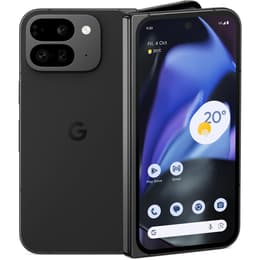
Google Pixel 9 Pro Fold
See options

Ratings

The Samsung Galaxy S21 5G, released in January 2021, is a traditional smartphone offering a premium experience in a compact form factor. In contrast, the Google Pixel 9 Pro Fold, launched in 2024, introduces a foldable design, providing a larger, tablet-like display when unfolded. These devices cater to different user preferences, with the S21 focusing on a conventional, streamlined design and the Pixel 9 Pro Fold emphasizing an expansive, adaptable screen experience and advanced computational capabilities.

Scores

Durability

The expected lifespan and software support differ significantly between these two devices, primarily due to their release timelines and manufacturer policies.

  • Software Longevity: The Galaxy S21 5G, released in 2021, typically receives around three to four years of Android operating system updates and longer for security patches. Users can expect its software support to conclude sooner than the Pixel 9 Pro Fold. The Google Pixel 9 Pro Fold, being a newer device from 2024, benefits from Google's extended support policy, offering seven years of both operating system and security updates from its release.
  • Physical Durability: The Galaxy S21 5G features a traditional slab design with a Gorilla Glass Victus front and an aluminum frame, contributing to its overall robustness and IP68 water and dust resistance. The Pixel 9 Pro Fold, while featuring Gorilla Glass Victus 2 on its cover screen and an IPX8 water resistance rating, is a foldable device. Its inner foldable screen is more susceptible to scratches, and while the hinge is sturdy, the device has shown weak points in bend tests, particularly along antenna lines, when unfolded.
  • Repairability: Traditional smartphones like the Galaxy S21 5G generally offer more straightforward repair processes compared to foldable devices. Foldable phones, including the Pixel 9 Pro Fold, often present greater complexity in repairs due to their intricate hinge mechanisms and flexible displays.

Release year

2021

2024

Compatible with latest Update

Yes

Yes

Operating system

Android

Android

Foldable

No

Yes

Performance

Performance capabilities vary between these two smartphones, reflecting advancements in mobile processing technology over time and different design philosophies.

  • Everyday Responsiveness: The Galaxy S21 5G, powered by a 2021-era flagship processor, handles daily tasks, app launches, and general navigation smoothly. It is capable of running demanding applications and games, though newer titles may push its limits more than on a contemporary device. The Pixel 9 Pro Fold, featuring a more recent Google Tensor G4 processor, offers enhanced performance for demanding applications, multitasking, and modern gaming. Its newer architecture is also optimized for advanced on-device artificial intelligence features.
  • Multitasking and Storage: The Galaxy S21 5G typically comes with 8GB of RAM and offers 128GB or 256GB of internal storage, without expandable storage. This configuration supports efficient multitasking for most users. The Pixel 9 Pro Fold is expected to offer higher RAM options, potentially up to 16GB, and faster UFS 4.0 storage, providing more headroom for intensive multitasking and quicker data access.
  • Battery Behavior: The Galaxy S21 5G is equipped with a 4000 mAh battery, providing a full day of moderate use for many users. The Pixel 9 Pro Fold features a 4650 mAh battery. Despite being a foldable with two displays, user reports indicate that the Pixel 9 Pro Fold can last over 16 hours in some tests and easily through a full day of use, suggesting efficient power management.

Memory (GB)

8 GB

16 GB

Screen quality

The display experience is a primary differentiator, with the Pixel 9 Pro Fold's foldable nature offering a unique viewing dynamic compared to the S21 5G's traditional screen.

  • Display Technology and Clarity: The Galaxy S21 5G features a 6.2-inch Dynamic AMOLED 2X display with a Full HD+ resolution (2400 x 1080 pixels), providing vibrant colors and deep blacks. The Pixel 9 Pro Fold offers a dual-screen setup: a 6.3-inch OLED cover display and an 8-inch foldable OLED inner display. Both screens offer high resolution, with the inner display providing a significantly larger canvas for content.
  • Brightness and Refresh Rate: Both devices feature adaptive refresh rates for smooth scrolling and responsiveness. The Galaxy S21 5G has a 120Hz adaptive refresh rate. The Pixel 9 Pro Fold's displays also support a 120Hz refresh rate, with the inner display utilizing LTPO technology for dynamic adjustment. The Pixel 9 Pro Fold's displays offer higher peak brightness levels, reaching up to 2700 nits, which can improve visibility in bright outdoor conditions compared to the S21 5G.
  • Viewing Experience: The S21 5G provides a consistent, high-quality viewing experience on a single, flat screen, well-suited for one-handed use. The Pixel 9 Pro Fold's larger, foldable inner display transforms the device into a small tablet, ideal for immersive media consumption, multitasking with multiple apps side-by-side, and productivity tasks that benefit from more screen real estate.

Resolution

1080 x 2400

2076 x 2152

Screen type

Dynamic AMOLED 2X

Foldable LTPO OLED

Audiovisual

Both smartphones offer capable camera systems, but they approach photography with different strengths and features.

  • Camera System Configuration: The Galaxy S21 5G features a versatile triple-camera setup on the rear: a 12MP main sensor, a 12MP ultrawide sensor, and a 64MP telephoto lens capable of 3x hybrid optical zoom. It also has a 10MP front-facing camera. The Pixel 9 Pro Fold also has a triple rear camera system, including a 48MP main sensor with optical image stabilization, a 10.5MP ultrawide, and a 10.8MP telephoto lens offering 5x optical zoom. It includes two 10MP selfie cameras, one on the cover screen and one on the inner display.
  • Photography Performance: The Galaxy S21 5G delivers strong performance in various lighting conditions, with its telephoto lens providing good detail for zoomed shots. It also supports 8K video recording. The Pixel 9 Pro Fold leverages Google's renowned computational photography, excelling in areas like low-light performance and image processing, often producing natural-looking photos. While its hardware specifications might not always lead the market, its software optimization is a key strength.
  • Video and Audio: The S21 5G offers up to 8K video recording at 24fps and 4K at 60fps, along with features like Director's View for multi-camera recording. The Pixel 9 Pro Fold records 4K video at up to 60fps. Both devices provide good microphone quality for calls and recordings, and their speaker outputs are suitable for media consumption.

Main camera

12 megapixels

48 megapixels

Front camera

10 megapixels

10 megapixels

Miscellaneous

Beyond core features, several practical elements distinguish these two devices in daily use.

  • Connectivity Standards: The Galaxy S21 5G supports 5G networks, Wi-Fi 6, and Bluetooth 5.0. The Pixel 9 Pro Fold, being a newer device, supports the latest connectivity standards, including 5G, Wi-Fi 7, and Bluetooth 5.3 or 5.4. However, some users of the Pixel 9 Pro Fold have reported 5G connectivity issues on certain carriers.
  • Ports and Biometrics: Both devices utilize a USB-C port for charging and data transfer, and neither includes a traditional 3.5mm headphone jack. For security, the Galaxy S21 5G features an ultrasonic in-screen fingerprint sensor. The Pixel 9 Pro Fold also incorporates fingerprint recognition and face unlock capabilities.
  • Design and Handling: The Galaxy S21 5G is a compact and lightweight device, measuring 151.7 x 71.2 x 7.9 mm and weighing 169g, making it comfortable for one-handed use. Its build includes a plastic back and an aluminum frame. The Pixel 9 Pro Fold, while thicker and heavier than a traditional smartphone, is designed to be notably thinner than its predecessor when folded (10.5mm) and open (5.1mm), aiming for a more balanced feel. Its build materials include an aluminum frame and Gorilla Glass Victus 2 on the exterior.

Weight

169 oz

257 oz

Screen size (in)

6.2

8.0

Network

5G

5G

SIM card

Physical SIM + eSIM

Physical SIM + eSIM

Carrier compatibility

Unlocked

Unlocked

The Samsung Galaxy S21 5G and the Google Pixel 9 Pro Fold cater to distinct user needs, primarily differentiated by their form factor and release timelines. Users often praise the Galaxy S21 5G for its compact size, vibrant display, and reliable camera performance in a traditional smartphone package. Common criticisms, however, sometimes point to its battery capacity compared to larger flagships of its era and the absence of expandable storage.

The Google Pixel 9 Pro Fold receives acclaim for its innovative foldable design, offering a large inner display for enhanced productivity and media consumption. Its advanced computational photography and extended software support are also frequently highlighted as strengths. However, some users have expressed concerns regarding its durability as a foldable, particularly the fragility of the inner screen and potential weak points in bend tests, as well as reported connectivity issues on certain networks.

Users prioritizing a conventional, pocket-friendly smartphone with a proven track record for performance and a robust build may prefer the Galaxy S21 5G. It remains a solid choice for those who value a straightforward, high-quality mobile experience. Conversely, individuals seeking a versatile device that transforms from a standard smartphone to a larger tablet-like screen for multitasking, immersive viewing, and cutting-edge AI features will find the Pixel 9 Pro Fold well-suited to their needs. Its longer software support also appeals to users who intend to keep their device for an extended period. For those considering either device, exploring quality-assured refurbished options can provide an eco-friendly alternative to new purchases.


See all articles

Our recent comparisons