
Galaxy Z Flip5 vs iPhone 16 Pro

Galaxy Z Flip5
Galaxy Z Flip5
Starting at

Refurbished price:A$639.00

Versus A$2,070.00 new

See options
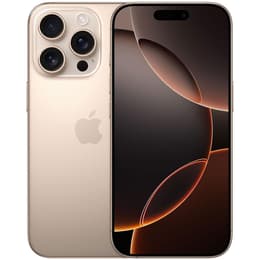
iPhone 16 Pro
iPhone 16 Pro
Starting at

Refurbished price:A$1,148.00

Versus A$1,999.00 new

See options

Ratings

The Samsung Galaxy Z Flip5, released in August 2023, and the Apple iPhone 16 Pro, launched in September 2024, represent distinct approaches to modern smartphone design and functionality. While the Z Flip5 offers a unique foldable form factor running on Android, the iPhone 16 Pro maintains a traditional slab design powered by iOS. The primary differentiators lie in their physical design, operating systems, and the user experiences they prioritize.

Scores

Durability

When considering the longevity of these devices, both offer robust software support and durable construction, though their designs present different considerations.

  • Release Timeline and Software Support: The Galaxy Z Flip5, from 2023, typically receives Android operating system updates for approximately four to five years from its release. The iPhone 16 Pro, released in 2024, benefits from Apple's longer software support cycle, generally receiving iOS updates for six to seven years, offering an extended period of new features and security enhancements.
  • Physical Durability: The Z Flip5 features an Armor Aluminum frame and Gorilla Glass Victus 2 on its cover screen, with an IPX8 water resistance rating, meaning it can withstand submersion in water. Its foldable Ultra-Thin Glass inner display is designed for flexibility. The iPhone 16 Pro incorporates a Ceramic Shield front, a titanium frame, and a textured matte glass back, along with an IP68 rating for dust and water resistance, allowing for deeper and longer submersion. While the Z Flip5's hinge has shown improvements in durability tests, some users recommend cases with hinge protection. Early durability tests for the iPhone 16 Pro suggest that its thinner bezels might make it more susceptible to damage from corner drops, despite the overall improved strength of its Ceramic Shield.
  • Repairability and Practical Lifespan: Both devices are designed with advanced components, and their repairability can vary. The practical lifespan for either device extends beyond software support, depending on individual usage and care. Users seeking the longest possible software longevity might find the iPhone 16 Pro's extended update timeline more appealing.

Release year

2023

2024

Compatible with latest Update

Yes

Yes

Foldable

Yes

No

Performance

The performance of both the Galaxy Z Flip5 and the iPhone 16 Pro is optimized for their respective operating systems, delivering smooth experiences for a range of tasks.

  • Processing Power: The Galaxy Z Flip5 is equipped with a current-generation processor at its release, providing efficient performance for daily applications, multitasking, and mobile gaming. The iPhone 16 Pro features Apple's latest A-series chip, which offers significant performance enhancements, particularly for demanding applications, advanced gaming, and integrated artificial intelligence features.
  • Multitasking and Responsiveness: The Z Flip5 typically includes 8GB of RAM, facilitating smooth transitions between multiple applications. The iPhone 16 Pro also comes with 8GB of memory, ensuring a highly responsive user experience and efficient handling of complex workflows. Both devices are capable of managing numerous apps simultaneously without significant slowdowns.
  • Storage Options: The Galaxy Z Flip5 is available with 256GB or 512GB of internal storage. The iPhone 16 Pro offers a wider range of storage capacities, including 128GB, 256GB, 512GB, and 1TB, catering to users with varying storage needs for media, applications, and documents.
  • Battery Behavior: The Z Flip5 houses a 3700 mAh battery, with user experiences varying from lasting a full day with moderate use to requiring more frequent charging for heavy 5G usage. The iPhone 16 Pro, with a 3582 mAh battery, is rated for extended video playback and generally offers improved battery life over its predecessors, though some users report needing to charge it more than once a day with intensive use.

Memory (GB)

8 GB

8 GB

Screen quality

The display technologies in the Galaxy Z Flip5 and iPhone 16 Pro offer distinct visual experiences, tailored to their form factors and user expectations.

  • Display Technology and Clarity: The Galaxy Z Flip5 features a 6.7-inch Foldable Dynamic AMOLED 2X main display, providing vibrant colors and deep blacks with a resolution of 1080 x 2640 pixels. Its unique aspect is the 3.4-inch Super AMOLED cover screen, which allows for quick interactions when the device is folded. The iPhone 16 Pro boasts a 6.3-inch Super Retina XDR OLED display, offering sharp visuals with a resolution of 2622 x 1206 pixels and a high pixel density.
  • Brightness and Refresh Rate: Both devices feature adaptive refresh rates up to 120Hz, contributing to smooth scrolling and fluid animations. The iPhone 16 Pro's display can reach a typical maximum brightness of 1000 nits, with peak HDR brightness of 1600 nits and an outdoor peak of 2000 nits, ensuring excellent visibility in various lighting conditions. The Z Flip5's main display also offers strong brightness levels, suitable for outdoor use.
  • Viewing Experience: The Z Flip5's foldable design provides a compact form factor when closed, expanding to a full-sized screen for media consumption and productivity. The cover screen offers utility for notifications and widgets without unfolding. The iPhone 16 Pro delivers a consistent, expansive viewing experience with slim bezels and features like Dynamic Island and an Always-On display.

Resolution

1080 x 2640

1206 x 2622

Screen type

Foldable Dynamic AMOLED 2X

LTPO Super Retina XDR OLED

Audiovisual

Both smartphones offer advanced camera systems, but they cater to different photographic styles and priorities.

  • Rear Camera Systems: The Galaxy Z Flip5 is equipped with a dual-camera setup on the rear, featuring a 12 MP wide-angle lens with optical image stabilization and a 12 MP ultrawide lens. This system is well-suited for everyday photography and capturing wider scenes. The iPhone 16 Pro features a more comprehensive triple-camera system, including a 48 MP wide-angle lens, a 48 MP ultrawide lens, and a 12 MP 5x telephoto lens with optical image stabilization and a tetraprism design for extended optical zoom.
  • Photography Performance: The Z Flip5's cameras perform well in good lighting conditions, and its FlexCam feature allows for unique hands-free shooting angles. The iPhone 16 Pro's upgraded camera system, including its larger sensors and advanced computational photography, delivers strong performance across various conditions, particularly excelling in low-light environments and offering enhanced detail with its 48MP wide and ultrawide sensors.
  • Video Recording and Audio: Both devices are capable of high-quality video recording. The iPhone 16 Pro is noted for its class-leading video capabilities, including advanced stabilization, color accuracy, and dynamic range, with features like ProRes and LOG support for professional workflows. Its microphone quality is also highlighted for clear audio recording. The Z Flip5 provides solid video performance for general use.
  • Front Camera: The Z Flip5 has a 10 MP front camera. The iPhone 16 Pro features a 12 MP front camera, capable of high-quality selfies and video calls.

Main camera

12 megapixels

48 megapixels

Front camera

10 megapixels

12 megapixels

Miscellaneous

Beyond core features, several practical elements differentiate the user experience of these two devices.

  • Connectivity: Both devices support 5G cellular networks. The Galaxy Z Flip5 includes Wi-Fi 6E and Bluetooth 5.3. The iPhone 16 Pro offers more advanced connectivity with Wi-Fi 7 and Bluetooth 5.3, providing potentially faster wireless speeds and improved network efficiency, especially with compatible routers.
  • Ports and Biometrics: Both smartphones utilize a USB-C port for charging and data transfer. The iPhone 16 Pro's USB-C port supports USB 3 speeds (up to 10Gb/s) and DisplayPort functionality. The Z Flip5 uses USB-C 2.0. For security, the Z Flip5 features a side-mounted fingerprint sensor, while the iPhone 16 Pro relies on Face ID for biometric authentication.
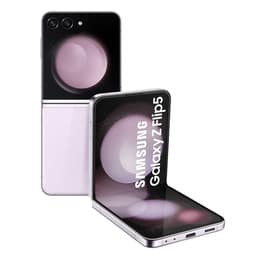
  • Form Factor and Handling: The Galaxy Z Flip5's defining characteristic is its foldable design, allowing it to become significantly more compact when closed (85.1 x 71.9 x 15.1 mm) and weighing 187g. This makes it highly portable. The iPhone 16 Pro maintains a traditional slab form factor, with dimensions of 149.6 x 71.5 x 8.25 mm and a weight of 199g, offering a consistent and familiar feel. The iPhone 16 Pro also includes an Action Button, which can be customized for various functions.
  • Build Materials: The Z Flip5 combines an Armor Aluminum frame with Gorilla Glass Victus 2. The iPhone 16 Pro uses a titanium frame, Ceramic Shield front, and textured matte glass back, contributing to its premium feel and durability.

Weight

187 oz

199 oz

Screen size (in)

6.7

6.3

Network

5G

5G

SIM card

Physical SIM + eSIM

Physical SIM + eSIM

Carrier compatibility

Unlocked

Unlocked

Choosing between the Galaxy Z Flip5 and the iPhone 16 Pro involves weighing distinct priorities, as each device excels in different areas. User sentiment for the Z Flip5 often highlights its unique, compact foldable design and the utility of its larger cover screen for quick interactions. Users appreciate the fresh experience it offers compared to traditional smartphones. However, some discussions point to the battery life requiring management for heavy users and the inherent durability considerations of a folding screen, despite significant improvements in hinge design.

For the iPhone 16 Pro, common praise centers on its consistent top-tier performance, advanced camera capabilities, and the robust iOS ecosystem. Users value its powerful processing for demanding tasks and the quality of its photography and video. Some user feedback indicates that while battery life is improved over previous Pro models, it may still require daily charging for intensive use, and the thinner bezels, while aesthetically pleasing, introduce new considerations for drop durability.

Users prioritizing a compact, innovative form factor with a distinct Android experience and a focus on portability may find the Galaxy Z Flip5 well-suited to their needs. Its ability to fold in half offers a unique blend of screen size and pocketability. Conversely, users who prioritize consistent, high-end performance, a comprehensive and advanced camera system, and a long-term software commitment within the iOS ecosystem will likely lean towards the iPhone 16 Pro. It offers a more traditional, yet highly refined, smartphone experience. Both devices are available as quality-assured refurbished options, providing an eco-friendly alternative for consumers.


See all articles

Our recent comparisons