Compare models
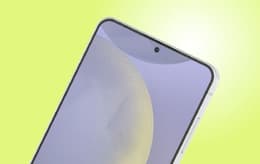
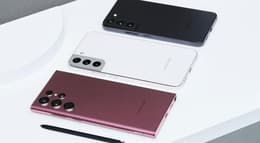
Galaxy S26 Ultra vs Motorola Razr 40
- 1-year warranty
- Free standard shipping
- Free 30-day returns
Differences at a glance
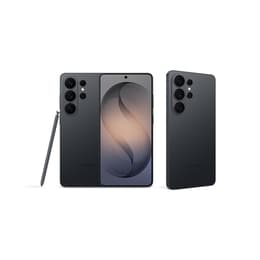
The Samsung Galaxy S26 Ultra (2026) and the Motorola Razr 40 (2023) represent two distinct approaches to modern smartphone design, contrasting a conventional flagship slate layout with a flexible folding form factor. While the Galaxy S26 Ultra emphasizes maximum hardware performance and structural resilience, the Motorola Razr 40 delivers a compact clamshell experience centered around portability. Both devices run on the Android operating system, though they feature different generational software foundations and physical designs that cater to varied user priorities.
Available Models
Colour
Storage (GB)
Scores
Durability
When examining longevity and durability, these devices approach structural protection and software support timelines from contrasting perspectives shaped by their release years.
- Release timeline and software support: The Galaxy S26 Ultra benefits from an extended multi-year update commitment running deep into the future, whereas the Motorola Razr 40 occupies an earlier generation with a shorter remaining support window.
- Build resilience: The Galaxy S26 Ultra incorporates reinforced glass and robust water-resistance certifications, while the Motorola Razr 40 features a foldable panel that requires careful handling alongside a water-repellent exterior coating.
- Expected lifespan: Power users seeking long-term hardware endurance will find the modern flagship structure built for extended multi-year deployments.
Release year
2026
2023
Operating system
Android
Android
Foldable
No
Yes
Performance
Underneath the exterior, both smartphones handle daily tasks, multitasking, and mobile applications with distinct resource management and processing capabilities.
- Multitasking and system fluidity: The Galaxy S26 Ultra utilizes high-tier internal configurations with ample memory headroom to switch effortlessly between demanding applications, whereas the Motorola Razr 40 handles standard communication, media streaming, and moderate apps smoothly with its mid-range processor configuration.
- Storage capacity: The Galaxy S26 Ultra offers expansive storage tiers starting at larger capacities, while the Motorola Razr 40 provides standard storage sizes suitable for everyday document and photo collections.
- Battery behavior: The larger battery cell housed within the Galaxy S26 Ultra sustains intensive daily use across extended periods, while the Motorola Razr 40's more compact cell accommodates moderate daily routines with regular recharging cycles.
Screen quality
Visual output differs significantly due to the contrast between a rigid large-format display panel and a flexible folding screen technology.
- Display technology and viewing experience: The Galaxy S26 Ultra features a flat, high-resolution AMOLED screen with sharp clarity and deep contrast, while the Motorola Razr 40 utilizes a foldable inner screen accompanied by a small external notification display for quick glances.
- Outdoor brightness: The Galaxy S26 Ultra reaches high peak brightness levels to maintain legibility under direct sunlight, whereas the Motorola Razr 40 performs adequately under standard daylight conditions.
- Refresh rate smoothness: Both devices support elevated refresh rates for fluid scrolling through web pages, social feeds, and user interfaces.
Resolution
1440x3120
1080 x 2640
Audiovisual
Optics and media playback capabilities cater to different creative requirements and multimedia consumption preferences.
- Camera versatility: The Galaxy S26 Ultra includes a multi-lens rear array featuring high-resolution main sensors and extensive optical zoom options for distant subjects, while the Motorola Razr 40 relies on a dual-camera system suited for casual everyday snapshots and wide-angle framing.
- Low-light performance: Advanced image processing on the Galaxy S26 Ultra captures detail clearly in dim environments, whereas the Motorola Razr 40 handles standard indoor lighting conditions reliably.
- Audio and media output: Stereo speakers on both smartphones deliver clear sound reproduction for video calls, podcasts, and casual media streaming.
Miscellaneous
Practical everyday utilities, physical dimensions, and connectivity standards define how each phone integrates into a user's daily routine.
- Connectivity standards: Both models support modern 5G cellular networks, Wi-Fi connectivity, and Bluetooth pairing for wireless accessories.
- Physical handling and weight: The Galaxy S26 Ultra provides a wide, traditional slab profile, whereas the Motorola Razr 40 folds down into a compact square that slips easily into smaller pockets.
- Authentication sensors: Both devices offer secure biometric unlocking through integrated fingerprint sensors and facial recognition capabilities.
Weight
214 oz
189 oz
Screen size (in)
6.9
6.9
Network
5G
5G
SIM card
Physical SIM + eSIM
Physical SIM
Carrier compatibility
Unlocked
Unlocked
What the community thinks
User community discussions highlight distinct preferences for each device. Owners of the Galaxy S26 Ultra frequently praise its robust battery longevity, expansive screen estate, and comprehensive camera versatility. Conversely, users drawn to the Motorola Razr 40 appreciate its pocket-friendly folding design and compact footprint when closed. Public sentiment generally notes that traditional flagship buyers prioritize raw processing power and multi-lens photography, while foldable device enthusiasts value novel form factors and physical compactness.
Users prioritizing maximum performance, extensive battery endurance, and advanced zoom photography will find the Galaxy S26 Ultra well-suited to their daily routines. Meanwhile, users who prefer a compact device that folds down to save space will lean toward the Motorola Razr 40. For those exploring a sustainable purchase, choosing a quality-assured refurbished option provides an eco-friendly alternative that aligns advanced technology with mindful consumption.