Compare models
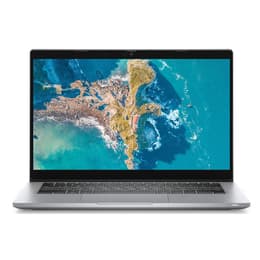
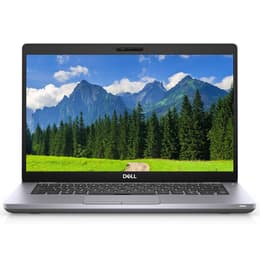
Dell Latitude 5320 13" vs Dell Latitude 5410 14"
- 1-year warranty
- Free standard shipping
- Free 30-day returns
Differences at a glance
The Dell Latitude 5320 (2021) and the Dell Latitude 5410 (2020) are reliable business laptops designed for professional users, students, and remote workers. While both run on the Windows operating system and offer robust enterprise features, they differ primarily in screen size, portability, and internal generation. Choosing between the compact 13-inch frame of the Latitude 5320 and the slightly larger 14-inch workspace of the Latitude 5410 depends entirely on individual daily workflow preferences.
Available Models
Storage
Processor
Memory
Scores
Durability
When evaluating hardware longevity and support timelines, both business-class notebooks offer durable construction and extended software backing, though their release years introduce slight differences in total lifecycle expectations.
- Release timeline and support: The Latitude 5320 arrived in 2021, while the Latitude 5410 launched in 2020, giving the newer model a slight advantage in total operational longevity and driver updates.
- Repairability and build: Both models feature serviceable internal components and robust chassis designs, making maintenance straightforward for IT professionals or users opting for a quality-assured refurbished option to extend device utility sustainably.
- Expected lifespan: Standard business hardware cycles typically provide several years of dependable service for general office tasks, document editing, and web-based applications.
Release year
2021
2020
Last Os Compatibility
Yes
Yes
Operating system
Windows 11
Windows 11
Performance
Both laptops handle everyday multitasking, productivity suites, and video conferencing efficiently, though they utilize different generations of internal processing architectures and memory configurations.
- Processing capabilities: Both devices manage daily web browsing, document management, and multiple open tabs smoothly, though the newer processor generation in the Latitude 5320 provides minor efficiency gains during demanding workflows.
- Memory and multitasking: The Latitude 5410 features traditional upgradeable memory slots, whereas the Latitude 5320 utilizes integrated memory, making initial configuration choices important for long-term multitasking needs.
- Storage and battery: Fast solid-state drive options ensure quick system boot times across both models, while battery duration remains sufficient for standard mobile workdays depending on screen brightness settings.
Graphic card
Intel Iris Xe Graphics
Integrated Graphics
Screen quality
Display characteristics vary between the two models in physical dimensions, panel technology, and overall viewing comfort during extended office hours or media consumption.
- Screen size and workspace: The Latitude 5320 features a compact 13.3-inch display ideal for frequent travelers, whereas the Latitude 5410 provides a roomier 14-inch panel for comfortable multi-window viewing.
- Resolution and clarity: Both laptops offer clear Full HD anti-glare panels that minimize reflections under harsh overhead lighting or in sunlit office environments.
- Visual comfort: Integrated blue-light reduction technology helps reduce eye strain during long reading or writing sessions on both machines.
Screen type
LCD
IPS
Audiovisual
Collaboration tools and multimedia features on these professional laptops are tailored for remote communication and everyday media playback.
- Video conferencing: Both models include integrated webcams and digital microphones suitable for virtual meetings, with optional infrared sensors available for secure facial recognition logins.
- Audio output: Built-in stereo speakers deliver clear voice audio for conference calls and casual video streaming in quiet indoor spaces.
- Media handling: Integrated graphics solutions on both devices smoothly handle high-definition video playback and external monitor setups for extended desktop space.
Miscellaneous
Practical physical features, connectivity standards, and port availability differ slightly due to the physical chassis size variations between the two machines.
- Port selection: Both laptops provide generous physical connectivity, including multiple USB ports, HDMI video outputs, and headphone jacks, with the Latitude 5320 also incorporating modern high-speed connection ports.
- Portability and weight: The lighter 13-inch Latitude 5320 suits frequent commuters, while the slightly heavier 14-inch Latitude 5410 accommodates a more spacious keyboard layout.
- Wireless standards: Modern Wi-Fi and Bluetooth capabilities ensure stable peripheral connections and reliable internet access in shared office spaces or home setups.
Weight
1320 oz
7500 oz
Screen size
13
14
What the community thinks
User feedback from online communities highlights both laptops for their dependable keyboards, robust business-grade durability, and reliable day-to-day performance in professional environments. Common discussions often note that while older enterprise models lack cutting-edge gaming capabilities, they excel at straightforward administrative tasks and reliable remote communication. Users prioritizing maximum portability and a smaller footprint will find the Latitude 5320 well-suited to their routine, while users who prefer a wider screen workspace and upgradeable memory slots may lean toward the Latitude 5410.
For those looking to make a sustainable choice, opting for a quality-assured refurbished option from Back Market provides a reliable, eco-friendly alternative that extends device life spans without compromising on professional performance. Reviewing individual workflow requirements will ultimately guide the most practical choice between these two capable machines.