
iPhone
Compare models
Differences at a glance
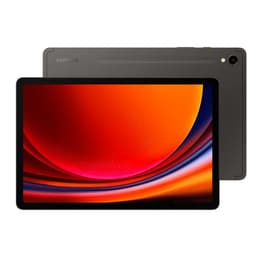
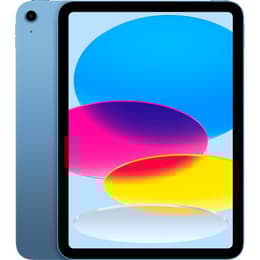
The Samsung Galaxy Tab S9 11-inch, released in August 2023, and the Apple iPad 11th Generation (A16 Series), launched in March 2025, are two prominent tablet computers designed for a range of users. While both offer a premium tablet experience, they diverge significantly in their operating systems, display technology, and integrated features. The Galaxy Tab S9 operates on Android, offering a customizable interface, whereas the iPad 11th Gen runs on iPadOS, known for its streamlined user experience and integration within the Apple ecosystem.
Colour
Storage
When considering the long-term usability of these devices, their release timelines and software support policies are key factors.
Release year
Operating system
Both tablets are equipped with capable processors designed to handle a variety of tasks, from everyday browsing to more demanding applications.
The visual experience on a tablet is largely defined by its display, and these two devices offer distinct approaches to screen technology.
Resolution
Pixel density
While tablets are not typically primary photography devices, both models offer camera systems suitable for video calls, document scanning, and casual photography.
Beyond core specifications, several practical elements contribute to the overall user experience of these tablets.
Weight
Screen size (in)
Network
Carrier compatibility
User feedback often highlights the Galaxy Tab S9's vibrant AMOLED display and the included S Pen as significant advantages, particularly for those who prioritize media consumption and note-taking without additional accessory purchases. Some users appreciate its multitasking capabilities through DeX mode and the expandable storage option. Criticisms sometimes point to its battery life, which, while good, may not always match the longevity of some competitors, and the software update policy, though improved, is still shorter than Apple's.
The iPad 11th Gen is frequently praised for its smooth iPadOS experience and the robust app ecosystem. Its A16 chip provides reliable performance for a wide range of tasks, and its long-term software support is a common positive. However, common concerns include the 60Hz non-laminated LCD display, which some users find less immersive compared to AMOLED screens, and the separate purchase required for the Apple Pencil. Battery life, while generally good, has been noted by some as potentially shorter than the Tab S9 in certain use cases.
Users prioritizing a vivid, high-refresh-rate display, an included stylus for creative or productivity tasks, and expandable storage may find the Galaxy Tab S9 well-suited to their needs. Conversely, users who value a long software support window, a vast app ecosystem, and seamless integration with other Apple devices may lean towards the iPad 11th Gen. Both devices offer quality-assured refurbished options, providing an eco-friendly alternative for consumers seeking to make informed and sustainable choices.