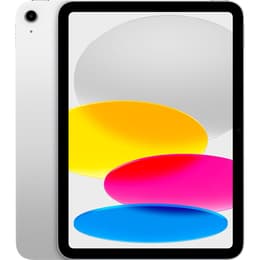

iPad
Compare models
Differences at a glance
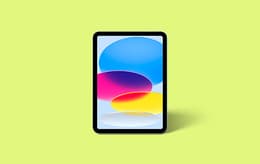
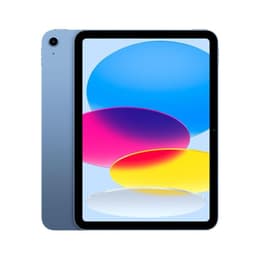
The iPad (10th generation), released in October 2022, and the iPad (11th generation), launched in March 2025, represent Apple's entry-level tablet offerings. While both devices share a similar modern design and operate on iPadOS, the newer 11th generation model introduces an updated processor, increased base storage, and minor enhancements to connectivity and camera capabilities. This comparison focuses on the practical differences that influence daily use and help users determine which device best suits their needs.
Colour
Storage
When considering the longevity of these two tablets, their release timelines and Apple's typical software support cycles are key factors. The iPad (10th generation) was released in late 2022, while the iPad (11th generation) followed in early 2025. [5, 21]
Release year
Compatible with latest Update
Operating system
Minimum system requirements (iPadOS)
The core performance of these iPads is driven by their respective processors, impacting everything from app responsiveness to multitasking efficiency. The iPad (10th generation) features the A14 Bionic chip, while the iPad (11th generation) incorporates the A16 Bionic chip. [4, 9]
Processor
Both iPad models feature a similar display technology and size, providing a consistent visual experience for most users. [9, 16, 21]
Resolution
True Tone
Promotion
Screen type
Pixel density
Brightness
Speakers
The camera systems on both iPads are designed for everyday use, including video calls, document scanning, and casual photography. [4, 9]
Beyond core performance and display, several other features contribute to the overall user experience and connectivity of these iPad models. [4, 9]
Weight
Width
Height
Depth
Screen size (in)
Network
Carrier compatibility
Wi-Fi version
Bluetooth version
Face ID
Touch ID
Connector
The iPad (10th generation) and iPad (11th generation) both offer a solid tablet experience, catering to a broad range of users. User feedback for the 10th generation often praises its modern design, capable performance for everyday tasks, and the convenience of its landscape-oriented front camera. [6, 19, 20, 23, 24] However, some users have noted its initial pricing, the USB 2.0 transfer speeds of its USB-C port, and the non-laminated display as areas for improvement. [23, 24, 29, 32, 33]
The 11th generation iPad builds upon this foundation, addressing some of these points with a more powerful processor and a doubled base storage capacity, which has been a frequent request from users. [9, 16, 25, 27] Criticisms for the 11th generation tend to focus on the continued use of a 60Hz LCD display and the absence of features like Face ID or anti-glare coating, which are found in higher-tier iPad models. [16, 25, 27]
Users prioritizing a more budget-conscious option for general browsing, media consumption, and light productivity will find the iPad (10th generation) to be a capable device. Its performance remains sufficient for many common applications. Those who require more headroom for demanding apps, extensive multitasking, or simply desire a device with a longer runway for future software updates and a more generous base storage will find the iPad (11th generation) better suited to their needs. It offers a more future-proof experience with its enhanced internal components. Both models represent a quality-assured refurbished option, providing an eco-friendly alternative for consumers.