Compare models
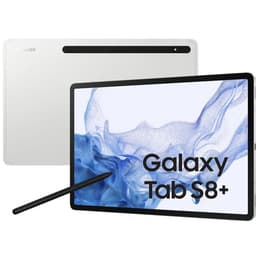
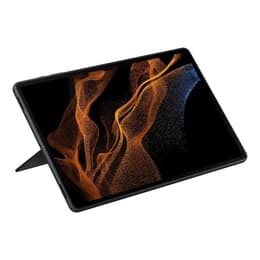
Galaxy Tab S8 (11.0", 2022) vs Galaxy Tab S8 Ultra (14.6", 2022)
- 1-year warranty
- Free standard shipping
- Free 30-day returns
Differences at a glance
The Samsung Galaxy Tab S8 (2022) and Galaxy Tab S8 Ultra (2022) are premium Android tablets designed for productivity, creativity, and entertainment. While both devices share the same release year, processor generation, and software ecosystem running on Android, they cater to very different physical form factors. The standard model offers a compact, portable screen, whereas the Ultra variant delivers a massive workspace similar in scale to a laptop.
Available Models
Colour
Storage
Scores
Durability
Both tablets launched simultaneously in 2022 and receive identical multi-year software update commitments from Samsung, ensuring long-term security and feature longevity. Users evaluating these devices can expect robust physical build quality and enduring software support.
- Software Lifespan: Both models benefit from extended operating system upgrades and routine security patches, maintaining software currency for years after release.
- Repairability and Build: Featuring sturdy metal unibody constructions, both devices offer similar structural resilience, though professional repair accessibility remains standard for slim modern electronics.
- Expected Longevity: Component quality across both units supports sustained daily use, making a quality-assured refurbished option from Back Market a sustainable choice for long-term ownership.
Release year
2022
2022
Compatible with latest Update
Yes
Yes
Operating system
Android
Android
Performance
Equipped with matching internal processing architecture, both tablets handle demanding workloads, heavy multitasking, and graphic-intensive applications with consistent fluidity. Storage configurations and memory options scale higher on the larger model to accommodate professional workflows.
- Multitasking and Responsiveness: Both devices run split-screen apps and resource-heavy programs smoothly, though higher-tier RAM variants on the Ultra configuration provide additional headroom for intense professional tasks.
- Storage Adaptability: Both models support expandable storage via microSD cards alongside generous internal capacities, allowing users to keep large media libraries locally.
- Battery Behavior: The standard model incorporates a smaller battery suited for its compact chassis, while the Ultra model features a significantly larger power capacity to support its expansive display during a full day of mixed usage.
Screen quality
The display department represents the most dramatic physical divergence between these two tablets, impacting how media, art, and documents are consumed. Panel technology and dimensions change entirely depending on the chosen model.
- Display Technology: The standard model utilizes an LTPS LCD screen providing sharp detail, whereas the Ultra variant features a sprawling Super AMOLED panel with deep contrast levels and vivid color reproduction.
- Size and Workspace: The compact 11-inch screen is optimized for handheld reading and note-taking, while the expansive 14.6-inch canvas resembles a desktop monitor for side-by-side window multitasking.
- Refresh Rate and Brightness: Both screens support smooth high refresh rates for fluid scrolling and feature adequate peak brightness for indoor or shaded outdoor visibility.
Resolution
1600 x 2560
1848 x 2960
Screen type
TFT LCD
Super AMOLED
Pixel density
280ppp
240ppp
Audiovisual
Camera arrangements on both tablets are tailored primarily for video conferencing, document scanning, and casual capture rather than dedicated photography. Audio output capabilities scale differently due to the physical dimensions of each chassis.
- Front-Facing Setup: The standard model features a single ultra-wide front camera for video calls, while the Ultra variant integrates a dual front camera system housed inside a small notch for enhanced framing options.
- Rear Cameras: Both tablets include a dual rear setup combining a primary sensor with an ultra-wide lens, performing reliably for scanning documents and quick snapshots in well-lit environments.
- Audio and Speakers: Both models deliver robust multi-speaker sound tuned for media playback, with the larger acoustic chamber of the Ultra model providing a slightly fuller soundstage for movies.
Miscellaneous
Connectivity features and physical handling characteristics define how easily each device integrates into mobile or stationary work routines. Ergonomics vary substantially based on weight and footprint.
- Connectivity and Ports: Both models feature modern high-speed wireless standards, 5G cellular variants, and versatile USB-C ports for charging and accessory connection.
- Security Sensors: The standard model integrates its fingerprint scanner directly into the side power key, whereas the Ultra model utilizes an optical on-screen fingerprint reader beneath the display glass.
- Dimensions and Weight: Weighing roughly 500 grams, the standard model is easy to hold with one hand, while the 726-gram Ultra model is substantially heavier and optimized for desk use with a stand or keyboard cover.
Weight
503 oz
726 oz
Screen size (in)
11.0
14.6
Network
Wi-Fi + 5G
Wi-Fi + 5G
Carrier compatibility
Without SIM Port
Unlocked
Connector
USB Type-C
USB Type-C
What the community thinks
User feedback from online communities highlights distinct operational profiles for each device. Owners of the standard model frequently praise its lightweight portability, comfortable one-handed reading experience, and balanced everyday utility. Conversely, users drawn to the Ultra model highlight its transformative screen workspace, noting that the massive canvas excels at digital illustration, split-window productivity, and media consumption. Common discussions often mention that the Ultra's large footprint makes it less convenient for casual reading on the couch or holding during extended commutes.
Users prioritizing portability, comfortable handheld use, and a traditional tablet experience will find the standard model well-suited to their daily routines. Meanwhile, users prioritizing a desktop-like workspace, expansive digital canvas for creative projects, and multi-window efficiency may lean toward the larger variant. Selecting either device as a quality-assured refurbished option allows consumers to make an eco-friendly choice without compromising on processing power or ecosystem features.