
Compare models
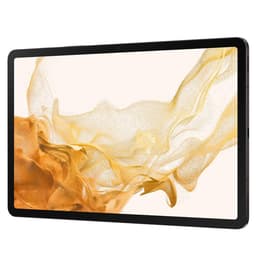
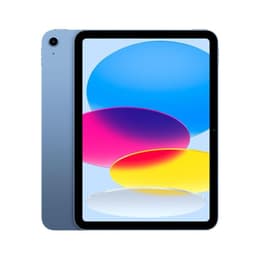
Galaxy Tab S8+ (12.4", 2022) vs iPad 10 (2022, A14 series)
- 1-year warranty
- Free standard shipping
- Free 30-day returns
Differences at a glance
The Samsung Galaxy Tab S8+ (12.4", 2022) and the Apple iPad 10 (2022) are versatile tablets designed for productivity, study, and media consumption. While both devices launched in 2022, they serve different user preferences through distinct screen sizes, ecosystems, and physical designs. The Galaxy Tab S8+ runs on the Android operating system and comes bundled with a stylus, whereas the iPad 10 operates on Apple's iPadOS.
Available Models
Colour
Storage (GB)
Scores
Durability
When examining longevity and support, both tablets offer reliable update schedules, though their ecosystems and repair frameworks differ in practical use.
- Software Support: Both manufacturers provide long-term security updates and system upgrades, ensuring compatibility with modern applications throughout their expected operational lifespan.
- Repairability and Build: Both devices feature sealed aluminium chassis that require professional handling for hardware repairs, with a quality-assured refurbished option providing a sustainable choice that extends the hardware lifecycle.
- Ecosystem Longevity: Battery health management and overall software optimization on both platforms support consistent multi-year performance for everyday tasks.
Release year
2022
2022
Compatible with latest Update
Yes
Yes
Operating system
Android
iPadOS
Performance
Both tablets handle everyday multitasking, web browsing, and document editing smoothly, though they utilize different processor architectures and storage configurations.
- Multitasking and Responsiveness: Both devices manage multiple open applications seamlessly, allowing users to switch between video calls, note-taking apps, and web pages without noticeable slowdowns.
- Storage and Configuration: The Galaxy Tab S8+ offers expandable storage via a microSD card slot alongside fixed internal capacities, while the iPad 10 relies entirely on fixed internal storage options.
- Battery Behavior: Both models provide sufficient battery capacity to last through a typical workday of mixed web browsing and media streaming before requiring a recharge.
Screen quality
Display characteristics represent one of the most noticeable differences between these two devices regarding viewing area and panel technology.
- Display Technology: The Galaxy Tab S8+ features a large AMOLED panel delivering deep contrast levels and vibrant colors, whereas the iPad 10 uses a standard LCD screen with balanced brightness for indoor environments.
- Refresh Rate and Smoothness: The Galaxy Tab S8+ includes a high refresh rate display that makes scrolling and stylus input feel responsive, while the iPad 10 utilizes a standard refresh rate.
- Size and Viewing Experience: The larger 12.4-inch canvas on the Galaxy Tab S8+ suits split-screen productivity workflows, while the 10.9-inch display on the iPad 10 offers a more compact form factor for reading and travel.
Resolution
1752 x 2800
2360 x 1640
Screen type
Super AMOLED
Liquid Retina display
Pixel density
270ppp
264ppp
Audiovisual
While tablets are rarely primary cameras, both models include front and rear sensor setups tailored for video communication and quick document scanning.
- Video Calling Setup: The iPad 10 positions its front-facing ultra-wide camera along the landscape edge, optimizing the angle for video conferencing, while the Galaxy Tab S8+ features its front camera similarly placed for horizontal alignment.
- Rear Camera Performance: Both devices capture clear photos of documents and casual outdoor scenes in well-lit environments, though low-light performance remains secondary to dedicated mobile phones.
- Audio Output: Both tablets incorporate multi-speaker arrays that deliver clear audio for video playback, virtual meetings, and casual music listening.
Miscellaneous
Physical design, port connectivity, and input accessories shape the day-to-day handling experience of each tablet.
- Connectivity and Ports: Both models support Wi-Fi standards and Bluetooth connectivity, utilizing a universal USB-C port for charging and data transfer.
- Input Accessories: The Galaxy Tab S8+ includes a pressure-sensitive stylus in the box for drawing and precise note-taking, whereas compatible styluses and keyboards for the iPad 10 are sold separately.
- Physical Dimensions: The Galaxy Tab S8+ is wider and thinner to accommodate its larger screen, while the iPad 10 is shorter and slightly heavier in a compact chassis.
Weight
567 oz
477 oz
Screen size (in)
12.4
10.9
Network
Wi-Fi
Wi-Fi + 5G
Carrier compatibility
Without SIM Port
Unlocked
What the community thinks
User feedback on community forums highlights distinct preferences for each device based on everyday use cases. Owners of the Galaxy Tab S8+ frequently praise the expansive AMOLED display, the inclusion of the responsive stylus, and the flexibility of expandable storage. Common discussions note that its larger footprint requires a bit more space in a backpack. Meanwhile, iPad 10 users appreciate the straightforward interface of iPadOS, the landscape-oriented front camera for video calls, and the reliable build quality. Some users mention limitations regarding the standard refresh rate screen and separate accessory costs.
Users prioritizing a large, high-contrast screen with a bundled stylus for creative tasks or split-screen multitasking may prefer the Galaxy Tab S8+. Conversely, users looking for a compact tablet with a streamlined operating system for general media consumption and reading may lean toward the iPad 10. Evaluating personal workflow priorities will help determine which platform aligns best with individual daily requirements.