
iPad
Compare models
Differences at a glance
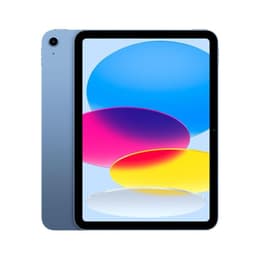
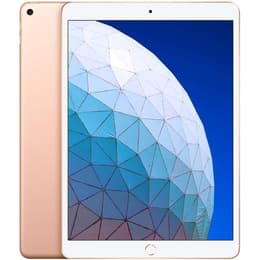
The iPad 2022 (10th Generation) and the iPad Air 2019 (3rd Generation) are two distinct tablet offerings from Apple, released in October 2022 and March 2019, respectively. While both devices operate on Apple's iPadOS, they cater to different user expectations through variations in design, internal components, and feature sets. The iPad 2022 introduces a modern aesthetic and updated connectivity, whereas the iPad Air 2019, though older, still provides a capable experience with some features not found in the newer base model.
Colour
Storage
When considering the long-term usability of a tablet, factors like software support and physical design play a significant role. The iPad 2022, being a more recent release, naturally benefits from a longer expected period of software updates compared to the iPad Air 2019.
Release year
Compatible with latest Update
Operating system
Minimum system requirements (iPadOS)
The performance of a tablet is largely determined by its internal processing capabilities, impacting everything from app responsiveness to multitasking efficiency. Both the iPad 2022 and iPad Air 2019 offer smooth operation for everyday tasks, but the newer model provides a noticeable uplift in power.
Processor
The display is a primary interface for any tablet, and both the iPad 2022 and iPad Air 2019 offer quality viewing experiences, though with some key distinctions in technology and features.
Resolution
True Tone
Promotion
Screen type
Pixel density
Brightness
Speakers
While tablets are not typically primary photography devices, their cameras are increasingly important for video calls, document scanning, and casual photography. The iPad 2022 offers a more advanced camera system compared to the iPad Air 2019.
Beyond core performance and display, several other features contribute to the overall user experience, including connectivity, physical ports, and biometric security.
Weight
Width
Height
Depth
Screen size (in)
Network
Carrier compatibility
Wi-Fi version
Bluetooth version
Face ID
Touch ID
Connector
User feedback often highlights the iPad 2022's refreshed design and improved performance as significant advantages, particularly for those upgrading from older base model iPads. Users appreciate the larger screen and the move to USB-C, even with its USB 2.0 data transfer speeds. [28, 29] However, some users note the absence of a fully laminated display and headphone jack as drawbacks compared to more premium models. The iPad Air 2019 is frequently praised for its fully laminated display and the inclusion of a headphone jack, features that some users still value highly. Its performance, while not as cutting-edge as newer devices, is generally considered sufficient for a wide range of daily activities. Criticisms sometimes point to its older design and the eventual end of software support. [5]
Users prioritizing a modern design, a more powerful processor for demanding applications, and a longer software support window may find the iPad 2022 (10th Gen) better suited to their needs. Its enhanced camera system, especially the landscape front camera with Center Stage, is also a strong point for frequent video callers. Conversely, individuals who value a fully laminated, anti-reflective display, the convenience of a 3.5mm headphone jack, and a slightly more compact form factor might lean towards the iPad Air 2019 (3rd Gen). Both tablets offer a reliable iPadOS experience, and choosing between them often comes down to these specific feature preferences. For those looking for an eco-friendly and quality-assured alternative, considering a refurbished option for either model can provide excellent value and extend the life cycle of these devices.