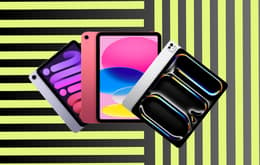
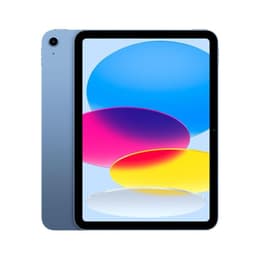

iPad 7 (2019, A10 series) vs iPad 10 (2022, A14 series)

iPad 7 (2019, A10 series)
Starting at

Refurbished price:A$174.00

Versus A$579.00 new

See options
iPad 10 (2022, A14 series)
Starting at

Refurbished price:A$419.00

Versus A$599.00 new

See options

Ratings

The iPad 2019, also known as the 7th generation iPad, and the iPad 2022, or 10th generation iPad, represent different iterations of Apple's entry-level tablet line. Released in September 2019 and October 2022, respectively, these devices offer distinct experiences shaped by their internal components and design philosophies. While both run on Apple's iPadOS, the newer model brings a refreshed aesthetic and more capable hardware, setting it apart from its predecessor.

Scores

Durability

The longevity of a tablet is often tied to its software support and the durability of its physical components. These two iPad models offer differing expectations in this regard.

  • OS Support Duration: The iPad 2019, powered by an A10 Fusion chip, launched with iPadOS 13.1 and received updates up to iPadOS 18.7.7. However, it will not receive the upcoming iPadOS 26 update, indicating its software support is nearing its end. In contrast, the iPad 2022, featuring an A14 Bionic chip, launched with iPadOS 16 and is expected to receive major software updates for several more years, potentially until 2027 or 2028.
  • Expected Practical Lifespan: Users of the iPad 2019 can expect continued functionality for basic tasks, but will miss out on new features and performance optimizations introduced in future iPadOS versions. The iPad 2022 offers a longer practical lifespan for accessing the latest software and applications due to its newer processor and extended update timeline.
  • Repairability: Both models feature a glass front and aluminum back, offering a similar level of physical resilience. While specific repairability scores can vary, the general construction of these iPads suggests that common repairs are feasible, contributing to their overall lifespan.

Release year

2019

2022

Compatible with latest Update

Yes

Yes

Operating system

iPadOS

iPadOS

Minimum system requirements (iPadOS)

iPadOS 18

iPadOS 18

Performance

The processing power and storage capabilities are key differentiators between these two iPad generations, impacting how smoothly they handle various tasks.

  • Processor Capabilities: The iPad 2019 is equipped with a processor that capably handles everyday activities such as web browsing, email, and streaming video. It performs well for light multitasking and less demanding applications. The iPad 2022, however, features a significantly more advanced processor, which provides a noticeable boost in overall speed and responsiveness. This allows for smoother execution of demanding applications, more fluid multitasking, and enhanced performance in graphics-intensive games and creative software.
  • Storage Options: The iPad 2019 was available with 32GB or 128GB of internal storage. The iPad 2022 offers larger base storage options, starting at 64GB and going up to 256GB. This provides more room for applications, media, and documents, which can be particularly beneficial for users who download many apps or store large files.
  • Multitasking and Responsiveness: While both devices can multitask, the iPad 2022's more powerful internal components contribute to a more seamless experience when switching between multiple applications or running several processes simultaneously. Users will likely observe quicker app loading times and a more fluid overall system interaction on the newer model.

Memory (GB)

3 GB

4 GB

Processor

Apple A10 Fusion

Apple A14 Bionic

Screen quality

The display is a primary interface for any tablet, and these two iPads present different viewing experiences.

  • Display Technology and Size: The iPad 2019 features a 10.2-inch Retina IPS LCD display. The iPad 2022 upgrades to a larger 10.9-inch Liquid Retina IPS LCD display. Both utilize IPS technology, known for good viewing angles and color reproduction.
  • Resolution and Clarity: The iPad 2019 has a resolution of 2160 x 1620 pixels, resulting in a pixel density of 264 pixels per inch (ppi). The iPad 2022 offers a slightly higher resolution of 2360 x 1640 pixels, maintaining the same 264 ppi. Both displays offer clear and sharp visuals for reading, browsing, and media consumption.
  • Brightness and Features: Both models achieve a maximum brightness of 500 nits, providing adequate visibility in various indoor lighting conditions. The iPad 2022 also includes True Tone technology, which automatically adjusts the display's color and intensity to match the ambient light, offering a more natural viewing experience.

Resolution

2160 x 1620

2360 x 1640

True Tone

No

Yes

Promotion

No

No

Screen type

Retina display

Liquid Retina display

Pixel density

264ppp

264ppp

Brightness

500 nits brightness

500 nits brightness

Sound quality

Speakers

Stereo speakers

Stereo speakers

Audiovisual

Camera capabilities on tablets are increasingly important for video calls, document scanning, and casual photography, and there are notable differences between these two models.

  • Rear Camera Performance: The iPad 2019 includes an 8-megapixel wide rear camera capable of recording 1080p video at 30 frames per second. It is suitable for basic photography and scanning documents. The iPad 2022 features a more advanced 12-megapixel wide rear camera with a larger aperture, allowing for improved low-light performance and sharper images. It also supports 4K video recording at various frame rates.
  • Front Camera and Video Calling: The iPad 2019 has a 1.2-megapixel front-facing camera, which is adequate for standard video calls. The iPad 2022 significantly upgrades to a 12-megapixel ultra-wide front camera, positioned on the longer edge for a more natural landscape video calling experience. This camera also supports Center Stage, which automatically keeps the user in the frame during video calls.
  • Audio Recording and Playback: Both iPads offer stereo speakers for media consumption and built-in microphones for calls and recordings. The iPad 2022's improved camera system is complemented by enhanced audio processing for clearer video and audio capture.

Miscellaneous

Beyond core specifications, several practical elements contribute to the overall user experience and differentiate these two iPad models.

  • Connectivity Options: The iPad 2019 supports Wi-Fi 802.11ac and Bluetooth 4.2. The iPad 2022 features newer standards, including Wi-Fi 6 and Bluetooth 5.2, offering faster and more stable wireless connections. Cellular models of the iPad 2022 also support 5G connectivity, a significant upgrade from the 4G LTE available on the iPad 2019.
  • Port Types and Accessories: The iPad 2019 uses a Lightning port for charging and data transfer and retains a 3.5mm headphone jack. The iPad 2022 transitions to a more versatile USB-C port, aligning with many other modern electronic devices, but removes the headphone jack. Both support the 1st generation Apple Pencil, though the iPad 2022 requires an adapter for charging and pairing. The iPad 2019 supports the Smart Keyboard, while the iPad 2022 is compatible with the Magic Keyboard Folio.
  • Design and Biometrics: The iPad 2019 features the classic iPad design with prominent bezels and a physical home button with integrated Touch ID. The iPad 2022 adopts a more modern, all-screen design with thinner bezels and moves the Touch ID sensor to the power button on the top edge. The iPad 2022 is also slightly lighter than its predecessor.

Weight

493 oz

477 oz

Width

17.41 in

17.95 in

Height

25.06 in

24.86 in

Depth

0.75 in

0.7 in

Screen size (in)

10.2

10.9

Network

Wi-Fi + 4G

Wi-Fi

Carrier compatibility

Unlocked

Without SIM Port

Wi-Fi version

Wi-Fi 6 802.11a/b/g/n/ac

Wi-Fi 6 802.11ax

Bluetooth version

Bluetooth 4.2

Bluetooth 5.2

Face ID

No

No

Touch ID

Yes

Yes

Connector

Lightning connector

USB Type-C

When evaluating the iPad 2019 and iPad 2022, user priorities will largely determine the more suitable device. The iPad 2019 is frequently praised by users for its reliability and continued functionality for essential tasks, making it a practical choice for those primarily engaging in web browsing, email, and media consumption. Some users appreciate its traditional design, including the physical home button and headphone jack. Criticisms often revolve around its aging processor and the eventual cessation of major software updates, which can limit access to newer features and applications.

The iPad 2022, on the other hand, receives positive feedback for its modern design, improved performance, and enhanced camera system. Users highlight its suitability for more demanding applications, better multitasking, and a more immersive viewing experience due to the larger, all-screen display. The transition to USB-C and support for newer wireless standards are also frequently cited as advantages. Some common concerns for the 2022 model include the adapter requirement for the 1st generation Apple Pencil and the absence of a headphone jack.

Users prioritizing a longer software support lifespan, a more capable processor for demanding tasks, and a modern design with improved cameras and connectivity will find the iPad 2022 well-suited to their needs. Conversely, individuals seeking a straightforward tablet for basic daily use, who may prefer the traditional design elements and do not require the latest performance enhancements, might lean towards the iPad 2019. Both models, particularly when considering quality-assured refurbished options, offer sustainable choices for different user profiles.
See all articles

Our recent comparisons