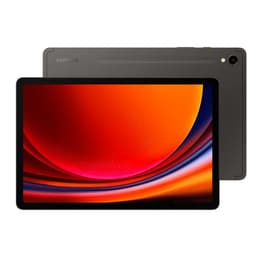
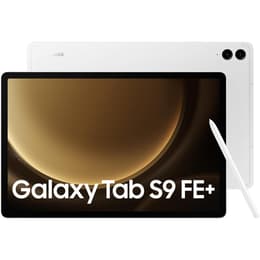

Galaxy Tab S9 (11.0", 2023) vs Galaxy Tab S9 FE+ (12.4", 2023)

Galaxy Tab S9 (11.0", 2023)
Starting at

Refurbished price:A$869.00

Versus A$2,427.00 new

See options
Galaxy Tab S9 FE+ (12.4", 2023)
Starting at

Refurbished price:A$738.00

Versus A$974.00 new

See options

The Samsung Galaxy Tab S9, released in August 2023, and the Samsung Galaxy Tab S9 FE+, launched in October 2023, are both Android tablets designed to cater to different user needs. While they share a similar aesthetic and operate on the Android ecosystem, they diverge significantly in display technology, processing power, and overall size. The Tab S9 offers a more premium experience with a high-quality display and robust performance, whereas the Tab S9 FE+ provides a larger screen and extended battery life, making it suitable for users prioritizing screen real estate and endurance.

Scores

Durability

When considering the long-term usability of these tablets, both devices benefit from Samsung's commitment to software support, though their hardware differences influence their practical lifespan.

  • Software Longevity: Both the Galaxy Tab S9 and the Galaxy Tab S9 FE+ are expected to receive four major Android OS updates and five years of security updates from their respective release dates. This policy ensures that both tablets will remain current with the latest features and security patches for a considerable period.
  • Durability Features: Both models boast an IP68 rating for dust and water resistance, offering a good level of protection against environmental elements. This feature contributes to their overall resilience in daily use.
  • Repairability: The repairability of the Galaxy Tab S9 is considered moderate, with some components like the battery being accessible, but screen removal can be delicate due to adhesive use. The Galaxy Tab S9 FE+ is expected to have similar repair characteristics, meaning professional repair for screen damage or battery replacement is generally feasible.

Release year

2023

2023

Compatible with latest Update

Yes

Yes

Operating system

Android

Android

Performance

The performance capabilities of the Galaxy Tab S9 and Galaxy Tab S9 FE+ present a notable distinction, primarily driven by their internal components.

  • Processing Power: The Galaxy Tab S9 is equipped with a high-performance processor, allowing it to handle demanding applications, intensive multitasking, and graphic-heavy games with fluidity and responsiveness. Users will experience quick app loading times and smooth transitions. In contrast, the Galaxy Tab S9 FE+ features a mid-range processor, which capably manages everyday tasks like web browsing, video streaming, and light gaming. However, it may exhibit slower app loading and occasional stutters when running multiple intensive applications simultaneously.
  • Multitasking and Responsiveness: The Galaxy Tab S9's more powerful internal components and higher RAM configurations (up to 12GB) contribute to a more seamless multitasking experience, allowing users to switch between applications without noticeable delays. The Galaxy Tab S9 FE+, also available with up to 12GB of RAM, performs well for typical multitasking, but the difference in processor means the flagship model maintains an edge in sustained heavy workloads.
  • Storage Options: Both tablets offer internal storage options of 128GB and 256GB, with the flexibility to expand storage further via a microSD card, which is beneficial for users with large media libraries or extensive document collections.

Memory (GB)

12 GB

8 GB

Processor

Qualcomm SM8550-AC Snapdragon 8 Gen 2

Exynos 1380

Screen quality

The visual experience is a key differentiator between these two tablets, primarily due to their distinct display technologies and refresh rates.

  • Display Technology and Clarity: The Galaxy Tab S9 features an 11-inch Dynamic AMOLED 2X display, known for its vibrant colors, deep blacks, and excellent contrast, providing a rich viewing experience for multimedia content and detailed work. The Galaxy Tab S9 FE+ comes with a larger 12.4-inch IPS LCD screen, which offers good color reproduction and clarity for general use. While the LCD is bright and clear, it does not achieve the same level of contrast and black depth as the AMOLED panel.
  • Resolution and Refresh Rate: Both tablets offer a high resolution of 2560 x 1600 pixels, ensuring sharp text and detailed images. However, the Galaxy Tab S9 boasts a 120Hz adaptive refresh rate, resulting in smoother scrolling and more fluid animations, which is particularly noticeable during gaming or fast-paced content. The Galaxy Tab S9 FE+ has a 90Hz refresh rate, which is an improvement over standard 60Hz displays and provides a generally smooth experience, though it is not as fluid as the 120Hz panel.
  • Screen Size and Viewing Experience: The Galaxy Tab S9 FE+'s larger 12.4-inch screen offers more expansive screen real estate, which can be advantageous for multitasking with split-screen apps or for immersive media consumption. The 11-inch display of the Galaxy Tab S9 provides a more compact form factor while still delivering a premium visual experience.

Resolution

1600 x 2560

1600 x 2560

Screen type

Dynamic AMOLED 2X

IPS LCD

Pixel density

280ppp

250ppp

Audiovisual

While tablets are not typically primary photography devices, both the Galaxy Tab S9 and Galaxy Tab S9 FE+ offer capable camera systems for video calls, document scanning, and casual photography.

  • Rear Camera System: The Galaxy Tab S9 features a single 13-megapixel autofocus rear camera, which performs well for capturing documents and everyday scenes in good lighting conditions. The Galaxy Tab S9 FE+ comes with a dual rear camera setup, including an 8-megapixel wide-angle lens and an 8-megapixel ultrawide lens, offering more versatility for different shots.
  • Front Camera Performance: Both tablets are equipped with a 12-megapixel ultrawide front-facing camera. This is beneficial for video conferencing, allowing for a wider field of view to include multiple participants or to use features like auto-framing. The quality is generally clear and suitable for video calls.
  • Video Recording and Audio: Both devices support 4K video recording at 30 frames per second with their main cameras. For audio, the Galaxy Tab S9 features a quad-speaker setup tuned by AKG, providing a more immersive sound experience. The Galaxy Tab S9 FE+ has dual speakers, which deliver clear audio for media consumption, though they may not offer the same depth as the quad-speaker system.

Miscellaneous

Beyond core performance and display, several practical features and design elements differentiate these two Samsung tablets.

  • Connectivity and Ports: The Galaxy Tab S9 includes a USB Type-C 3.2 port, which supports faster data transfer speeds and DisplayPort output for connecting to external monitors. The Galaxy Tab S9 FE+ is equipped with a USB Type-C 2.0 port, suitable for charging and standard data transfer, but without the higher speeds or display output capabilities of the Tab S9. Both support modern Wi-Fi standards and Bluetooth 5.3.
  • Biometric Security: For secure unlocking, the Galaxy Tab S9 features an in-display fingerprint sensor, offering a seamless authentication method. The Galaxy Tab S9 FE+ integrates its fingerprint sensor into the power button, which is also responsive and convenient. Both tablets also support facial recognition.
  • Design and Handling: The Galaxy Tab S9 is slightly thinner and lighter, weighing around 498g, making it more portable. The Galaxy Tab S9 FE+ is larger and heavier at approximately 627g, which might be more noticeable during extended handheld use. Both tablets come with an S Pen included, though the S Pen for the Tab S9 offers Bluetooth functionality for remote controls, a feature absent in the Tab S9 FE+'s S Pen.

Weight

129 oz

920 oz

Screen size (in)

11.0

12.4

Network

Wi-Fi

Wi-Fi

Carrier compatibility

Unlocked

Without SIM Port

Connector

USB Type-C

USB Type-C

User feedback often highlights the Galaxy Tab S9's exceptional display and powerful performance as its main strengths, making it a preferred choice for those who engage in demanding tasks like graphic design, video editing, or high-end gaming. Users appreciate its responsiveness and the visual quality of the AMOLED screen. Some common criticisms, however, point to its higher positioning within the product line, which may not align with every user's budget or needs for such advanced capabilities.

Conversely, the Galaxy Tab S9 FE+ is frequently praised for its larger screen size, which enhances media consumption and productivity for tasks that benefit from more display area. Its extended battery life is also a significant advantage for users who need their device to last longer between charges. While its performance is generally considered sufficient for everyday use, some users note that it may not match the fluidity of higher-tier tablets when pushed with intensive applications.

Users prioritizing a compact form factor, a top-tier display, and robust performance for professional or intensive creative work may find the Galaxy Tab S9 better suited to their requirements. On the other hand, individuals who value a larger screen for entertainment, reading, or general productivity, along with longer battery endurance, might lean towards the Galaxy Tab S9 FE+. Both tablets offer a quality-assured refurbished option, providing an eco-friendly alternative for consumers seeking to make informed and sustainable choices.


See all articles

Our recent comparisons