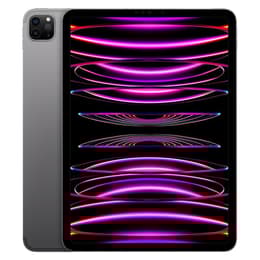

Galaxy Tab S8 (11.0", 2022) vs iPad Pro (2022, M2 series)

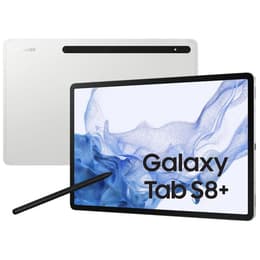
Galaxy Tab S8 (11.0", 2022)
Starting at

Refurbished price:A$631.00

Versus A$639.00 new

See options
iPad Pro (2022, M2 series)
Starting at

Refurbished price:A$1,071.71

Versus A$1,399.00 new

See options

The Samsung Galaxy Tab S8, released in early 2022, and the Apple iPad Pro M2 series, launched in late 2022, represent two prominent options in the tablet market. While both offer premium tablet experiences, they cater to different user preferences through their distinct operating systems and hardware philosophies. The Galaxy Tab S8 operates on Android, providing a more open ecosystem, while the iPad Pro runs on iPadOS, known for its integrated software and hardware experience. Key differentiators include their display technologies, processor architectures, and stylus integration.

Scores

Durability

When considering the long-term usability of a tablet, factors such as software support, physical durability, and repairability are important. Both tablets were released in 2022, making them relatively current devices.

  • Software Longevity: The Samsung Galaxy Tab S8 typically receives around four years of major Android operating system updates and five years of security updates from its release date. The iPad Pro M2, running iPadOS, is known for its extended software support, often receiving updates for five to six years or more, potentially offering a longer period of access to the latest features and security enhancements.
  • Physical Durability: Both tablets feature robust aluminum constructions. The iPad Pro M2 includes Ceramic Shield protection on its display, contributing to enhanced drop resistance, and both models offer IP68 water resistance. The Galaxy Tab S8 also features durable build materials designed for everyday use.
  • Practical Lifespan and Repairability: Users can expect both devices to remain functional and perform well for several years. The iPad Pro's longer software update cycle might provide a slight edge in terms of staying current with the latest software features over a more extended period. The Galaxy Tab S8 has a repairability score of 5.5 out of 10, indicating moderate ease of repair.

Release year

2022

2022

Compatible with latest Update

Yes

Yes

Operating system

Android

iPadOS

Performance

Both tablets are equipped with powerful internal components designed to handle demanding tasks, though their approaches to performance differ significantly due to their respective operating systems and chip architectures.

  • Processor Capabilities: The iPad Pro M2 features an advanced processor that delivers substantial performance for demanding applications, video editing, and complex graphic tasks. The Galaxy Tab S8 is powered by a high-end processor that provides smooth performance for everyday use, gaming, and multitasking within the Android ecosystem.
  • Multitasking and Responsiveness: The iPad Pro M2, with its efficient architecture and optimized iPadOS, offers fluid multitasking, allowing users to switch between apps and manage multiple windows with minimal lag. The Galaxy Tab S8 also handles multitasking effectively, particularly with its DeX mode which provides a desktop-like interface for enhanced productivity.
  • Storage and RAM: The iPad Pro M2 offers a wide range of storage options, from 128GB up to 2TB, with corresponding RAM configurations of 8GB or 16GB depending on the storage tier. The Galaxy Tab S8 comes with 128GB or 256GB of internal storage and 8GB or 12GB of RAM, with the added flexibility of expandable storage via a microSD card.

Memory (GB)

8 GB

8 GB

Screen quality

The visual experience on both tablets is a highlight, with each offering a high-quality display tailored to different preferences and use cases.

  • Display Technology and Clarity: The 11-inch iPad Pro M2 features a Liquid Retina IPS LCD display with a resolution of 2388x1668 pixels, providing sharp images and vibrant colors. The Samsung Galaxy Tab S8 sports an 11-inch LTPS TFT LCD display with a resolution of 2560x1600 pixels, offering clear visuals and good color accuracy.
  • Brightness and Refresh Rate: The iPad Pro M2's display reaches up to 600 nits of brightness and incorporates ProMotion technology, which provides an adaptive refresh rate from 1Hz to 120Hz for smooth scrolling and responsive interactions. The Galaxy Tab S8 also features a 120Hz refresh rate, contributing to a fluid visual experience, and offers good brightness levels for various viewing conditions.
  • Viewing Experience: Both tablets offer immersive viewing experiences for media consumption and productivity. The iPad Pro's display includes True Tone and P3 wide color support, enhancing color accuracy and adapting to ambient light. The Galaxy Tab S8's display is praised for its clarity and brightness, making it suitable for watching videos and browsing content, with its 16:10 aspect ratio often preferred for media consumption.

Resolution

1600x2560

2388 x 1668

Pixel density

280ppp

264ppp

Audiovisual

While tablets are not typically primary photography devices, both the Galaxy Tab S8 and iPad Pro M2 series offer capable camera systems for video calls, document scanning, and casual photography.

  • Rear Camera System: The Galaxy Tab S8 includes a dual-camera setup on the rear with a 13MP wide lens and a 6MP ultrawide lens, capable of recording 4K video at 30fps. The iPad Pro M2 features a rear camera system comprising a 12MP wide camera and a 10MP ultrawide camera, supporting 4K video recording up to 60fps and ProRes video capture.
  • Front Camera and Video Conferencing: For front-facing interactions, both tablets feature 12MP ultrawide front cameras. The iPad Pro M2 includes Center Stage, which automatically keeps the user in frame during calls. The Galaxy Tab S8 also features an auto-framing feature, designed to keep subjects centered during video calls. Both front cameras support 4K video recording.
  • Audio Experience: The iPad Pro M2 delivers a rich audio experience with its four-speaker system, providing immersive sound for media consumption. The Galaxy Tab S8 also features quad stereo speakers with sound by AKG and Dolby Atmos support, offering clear and robust audio output.

Miscellaneous

Beyond core performance and display, several practical elements differentiate these two tablets, influencing daily usability and integration into various workflows.

  • Connectivity and Ports: Both devices support Wi-Fi 6E for fast wireless connections and offer optional 5G connectivity for mobile data access. The iPad Pro M2 features a Thunderbolt / USB 4 port, which provides high-speed data transfer and broad compatibility with external accessories and displays. The Galaxy Tab S8 includes a USB Type-C 3.2 port and an important advantage of the Tab S8 is its microSD card slot, allowing for storage expansion up to 1TB.
  • Biometric Security: The iPad Pro M2 utilizes Face ID for secure facial recognition and authentication. The Galaxy Tab S8 incorporates a side-mounted fingerprint scanner for biometric security, alongside less secure facial recognition.
  • Design and Handling: Both tablets feature sleek, premium designs with aluminum bodies. The 11-inch iPad Pro M2 weighs 466g (Wi-Fi model) and measures 5.9mm thick. The Galaxy Tab S8 weighs 503g (Wi-Fi model) and is 6.3mm thick. The Galaxy Tab S8 includes the S Pen in the box, while the Apple Pencil (2nd generation) for the iPad Pro is sold separately.

Weight

507 oz

466 oz

Screen size (in)

11.0

11

Network

Wi-Fi + 5G

Wi-Fi

Carrier compatibility

Unlocked

Without SIM Port

User feedback for the Samsung Galaxy Tab S8 often highlights its bright display, excellent battery life, and the convenience of the included S Pen. Many appreciate its DeX mode for a more desktop-like experience, making it a strong contender for productivity within the Android ecosystem. Criticisms sometimes point to the Android tablet app ecosystem not being as robust as iPadOS for certain professional applications, and some users find its performance, while strong, to be slightly less potent than its Apple counterpart in highly demanding tasks.

Conversely, users praise the iPad Pro M2 for its exceptional processing power, fluid iPadOS experience, and the wide array of optimized professional applications available. However, some users express frustration with iPadOS limitations that prevent the hardware from reaching its full potential, and the cost of accessories like the Apple Pencil can add up. The battery life of the iPad Pro M2 has also been a point of discussion, with some users reporting it to be less than expected for a Pro device.

Users prioritizing a versatile tablet experience with an included stylus, expandable storage, and a more open operating system for media consumption and general productivity may prefer the Galaxy Tab S8. Its 16:10 aspect ratio is often favored for watching videos. On the other hand, users who require top-tier processing power for intensive creative tasks, a highly refined app ecosystem, and a longer software update commitment will find the iPad Pro M2 well-suited to their needs. Both devices are available as quality-assured refurbished options, providing an eco-friendly alternative for consumers.


See all articles

Our recent comparisons