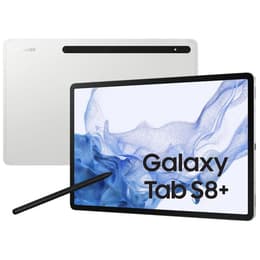
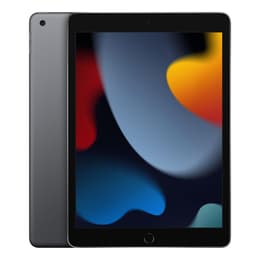

Galaxy Tab S8 (11.0", 2022) vs iPad 9 (2021, A13 series)

Galaxy Tab S8 (11.0", 2022)
Starting at

Refurbished price:A$632.00

Versus A$639.00 new

See options
iPad 9 (2021, A13 series)
Starting at

Refurbished price:A$233.00

Versus A$549.00 new

See options

The Samsung Galaxy Tab S8, released in 2022, and the Apple iPad (9th generation), released in 2021, represent two distinct approaches to the tablet experience. While both devices offer portable computing, they cater to different user preferences through their respective operating systems, Android and iPadOS. The Galaxy Tab S8 emphasizes a more open ecosystem with advanced display technology and included stylus, whereas the iPad (9th Gen) focuses on a streamlined user experience within Apple's ecosystem, offering reliable performance for everyday tasks.

Scores

Durability

When considering the longevity of these tablets, several factors come into play, including software support, physical durability, and ease of repair.

  • Software Updates: The Galaxy Tab S8 is expected to receive major Android OS updates until 2026 and security updates until 2027, offering a substantial period of software support. The iPad (9th Gen), typical for Apple devices, is known for receiving several years of iPadOS updates, often extending beyond five years from its release.
  • Build Materials: The Galaxy Tab S8 features an Armor Aluminum body, which Samsung states is more scratch-resistant and less prone to bending compared to its predecessor. The iPad (9th Gen) also utilizes an aluminum back and frame, providing a durable construction.
  • Practical Lifespan: Both tablets are built to last, with their practical lifespan often extending beyond their official software support, especially for users who do not require the very latest software features. The availability of quality-assured refurbished options for both models further extends their usable life, offering a sustainable choice for consumers.

Release year

2022

2021

Compatible with latest Update

Yes

Yes

Operating system

Android

iPadOS

Performance

The performance of a tablet is crucial for handling daily tasks, from browsing and media consumption to more demanding applications and multitasking. Both devices offer capable performance for their intended use cases.

  • Processor Capabilities: The Galaxy Tab S8 is equipped with a current-generation processor that allows for smooth multitasking, efficient handling of demanding applications, and responsive gaming experiences. The iPad (9th Gen) features a powerful chip that provides a significant performance boost over its predecessors, ensuring smooth operation for most apps and even some more intensive tasks like video editing.
  • Storage Options: The Galaxy Tab S8 offers storage configurations of 128GB and 256GB, with the added flexibility of expandable storage via a microSD card up to 1TB. The iPad (9th Gen) comes with 64GB or 256GB of internal storage, without an option for expansion.
  • Battery Behavior: The Galaxy Tab S8 houses an 8,000mAh battery, designed to provide hours of usage on a single charge, with support for fast charging. The iPad (9th Gen) offers a battery capacity that typically provides up to 10 hours of video playback or web browsing, suitable for a full day of moderate use.

Memory (GB)

8 GB

3 GB

Screen quality

The display is a primary interaction point for any tablet, and both the Galaxy Tab S8 and iPad (9th Gen) offer distinct visual experiences.

  • Display Technology and Resolution: The Galaxy Tab S8 features an 11-inch TFT LCD display with a resolution of 2560 x 1600 pixels, resulting in a clear and detailed image. The iPad (9th Gen) comes with a 10.2-inch Retina IPS LCD display, offering a resolution of 2160 x 1620 pixels, known for its sharp text and vibrant colors.
  • Refresh Rate and Smoothness: A key differentiator is the refresh rate; the Galaxy Tab S8 boasts a 120Hz refresh rate, which provides noticeably smoother scrolling and more fluid animations, enhancing the overall user experience. The iPad (9th Gen) maintains a standard 60Hz refresh rate.
  • Brightness and Viewing Experience: Both tablets offer good brightness levels for indoor use. The iPad (9th Gen) includes True Tone technology, which adjusts the display's color and intensity to match the ambient light, making for a more comfortable viewing experience in various environments. The Galaxy Tab S8's display is bright and colorful, with options to adjust color modes.

Resolution

1600x2560

2160 x 1620

Pixel density

280ppp

264ppp

Audiovisual

While tablets are not typically primary photography devices, their camera systems are important for video calls, document scanning, and casual photography.

  • Rear Camera System: The Galaxy Tab S8 features a dual-camera setup on the rear, including a 13MP wide lens and a 6MP ultrawide lens, allowing for more versatile photography. The iPad (9th Gen) has an 8MP wide rear camera, suitable for basic photo capture and document scanning.
  • Front Camera Performance: Both tablets excel in their front-facing cameras, crucial for video conferencing. The Galaxy Tab S8 has a 12MP ultrawide front camera with auto-framing technology, which keeps subjects centered during video calls. The iPad (9th Gen) also features a 12MP ultrawide front camera with Center Stage, offering a similar auto-framing capability that adjusts to keep users in view.
  • Video Recording Quality: The Galaxy Tab S8 supports 4K video recording at 30fps with its rear camera. The iPad (9th Gen) records 1080p HD video at 25fps or 30fps.

Miscellaneous

Beyond core specifications, several practical elements contribute to the overall user experience and differentiate these two tablets.

  • Connectivity and Ports: The Galaxy Tab S8 supports Wi-Fi 6E and Bluetooth 5.2, offering faster and more stable wireless connections, and features a USB-C 3.2 port. It also has optional 5G connectivity. The iPad (9th Gen) supports Wi-Fi 5 and Bluetooth 4.2, and uses a Lightning port.
  • Stylus Support: The Galaxy Tab S8 includes the S Pen in the box, which offers ultra-low latency for writing and drawing, and supports Bluetooth functions. The iPad (9th Gen) supports the first-generation Apple Pencil, which is sold separately.
  • Physical Attributes and Biometrics: The Galaxy Tab S8 weighs around 503g (Wi-Fi model) and measures 6.3mm thick, featuring a side-mounted fingerprint sensor. The iPad (9th Gen) weighs approximately 487g (Wi-Fi model) and is 7.5mm thick, incorporating Touch ID in its home button for biometric authentication.

Weight

507 oz

487 oz

Screen size (in)

11.0

10.2

Network

Wi-Fi + 5G

Wi-Fi

Carrier compatibility

Unlocked

Without SIM Port

The Samsung Galaxy Tab S8 and the Apple iPad (9th Gen) cater to different user ecosystems and priorities. Users often praise the Galaxy Tab S8 for its vibrant display with a high refresh rate, the versatility offered by Android, and the included S Pen, which enhances productivity and creativity. Common criticisms sometimes point to the Android tablet app ecosystem not always being as optimized as iPadOS for certain tasks. Conversely, the iPad (9th Gen) is frequently lauded for its consistent performance, the robust app ecosystem of iPadOS, and its strong integration within Apple's broader device family. Some users find its design to be a bit dated compared to newer tablets, and the 60Hz display is a noticeable difference for those accustomed to higher refresh rates.

Users prioritizing a more open operating system, a smoother display experience, and an included stylus for creative or note-taking tasks may find the Galaxy Tab S8 better suited to their needs. Its expandable storage also appeals to those who require more flexibility for media and files. On the other hand, individuals deeply integrated into the Apple ecosystem, who value a highly optimized app experience, consistent software updates, and reliable performance for general use and video calls, will likely lean towards the iPad (9th Gen). Both tablets offer solid foundations for daily use, and considering a quality-assured refurbished option for either can be an eco-friendly alternative to purchasing new.

See all articles

Our recent comparisons