Compare models

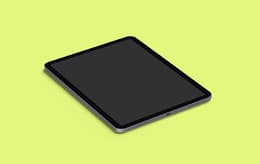
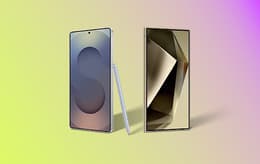
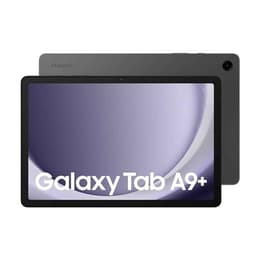
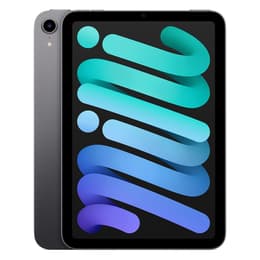
Galaxy Tab A9+ (11.0", 2023) vs iPad mini 6 (2021, A15 series)

  • 1-year warranty
  • Free standard shipping
  • Free 30-day returns
Galaxy Tab A9+ (11.0", 2023)
Starting at

Refurbished price:A$322.35

Versus A$340.00 new

See options
iPad mini 6 (2021, A15 series)
Starting at

Refurbished price:A$400.00

Versus A$1,079.00 new

See options

Differences at a glance

The Samsung Galaxy Tab A9+ (2023) and the Apple iPad mini 6 (2021) represent two distinct approaches to portable tablet computing, balancing different screen dimensions, operating systems, and core design philosophies. While the Galaxy Tab A9+ offers an expansive viewing workspace running Android, the iPad mini 6 delivers a compact, highly portable format powered by iPadOS. These fundamental contrasts in size and software ecosystem define how each device fits into daily routines, media consumption, and productivity workflows.

Available Models

Colour

Storage

Scores

Durability

Both tablets provide reliable long-term usability, though their release timelines and software update trajectories differ based on their launch schedules and manufacturer support cycles.

  • Software support timeline: The iPad mini 6 benefits from Apple's extended update cycles for mobile operating systems, whereas the Galaxy Tab A9+ follows typical Android mid-range support patterns, meaning longevity expectations depend closely on individual software update preferences.
  • Hardware resilience and build construction: Both units utilize sturdy outer chassis designs built to handle routine daily transport, with repairability profiles typical of modern sealed tablet engineering.
  • Expected practical lifespan: Users can anticipate several years of dependable performance for standard web browsing, streaming, and reading from either model when handled with reasonable care.

Release year

2023

2021

Compatible with latest Update

Yes

Yes

Operating system

Android

iPadOS

Performance

System responsiveness and everyday utility vary due to differing internal hardware configurations, storage tiers, and memory allocations across both platforms.

  • App loading and multitasking execution: Both devices handle daily productivity tasks, document editing, and web browsing smoothly, though intensive multi-app workflows handle differently depending on available random-access memory configurations.
  • Battery behavior during heavy use: Battery capacities support full-day routines involving mixed media playback and browsing, though heavy gaming or continuous high brightness will necessitate more frequent recharging.
  • Storage capacity options: Internal storage configurations accommodate varying media collections, with expandable storage slots available on select models for managing large offline libraries.

Screen quality

Visual experiences diverge significantly due to contrasting display sizes, panel technologies, and aspect ratios tailored for different viewing habits.

  • Display technology and clarity: The iPad mini 6 features a sharp, fully laminated liquid crystal display with vibrant color reproduction, while the Galaxy Tab A9+ utilizes a larger widescreen panel well-suited for side-by-side window multitasking.
  • Outdoor visibility and brightness: Maximum brightness levels allow for comfortable indoor use and moderate outdoor legibility, though direct sunlight can challenge screen visibility on both panels.
  • Motion smoothness: The Galaxy Tab A9+ incorporates a higher refresh rate display for smoother scrolling through feeds and documents, complementing its larger viewing area.

Resolution

1200 x 1920

2266 x 1488

Screen type

TFT LCD

Liquid Retina display

Pixel density

210ppp

326ppp

Audiovisual

Multimedia capabilities, audio output, and optics are designed primarily for casual documentation, video calls, and personal entertainment rather than professional media creation.

  • Camera system functionality: Single rear and front lenses on both devices capture clear reference photos, document scans, and facilitate video conferencing with adequate clarity in well-lit environments.
  • Microphone and audio delivery: Integrated multi-speaker setups produce balanced stereo sound for casual music listening and streaming video, supported by clear microphone arrays for online meetings.
  • Video recording performance: Standard high-definition video capture handles family moments and casual clips reliably without advanced stabilization hardware.

Miscellaneous

Connectivity standards, physical dimensions, and handling characteristics shape how comfortably each tablet integrates into travel and mobile work bags.

  • Portability and handling: The compact footprint of the iPad mini 6 allows for effortless one-handed holding and pocket transport, whereas the larger Galaxy Tab A9+ requires two hands or a supporting stand for comfortable viewing.
  • Connectivity and accessories: Both models offer wireless internet connectivity options, with select variants supporting cellular data networks alongside universal USB-C ports for charging and data transfer.
  • Security and authentication: Integrated biometric sensors provide quick device unlocking and secure authentication for personal applications and web logins.

Weight

620 oz

297 oz

Screen size (in)

11.0

8.3

Network

Wi-Fi

Wi-Fi + 5G

Carrier compatibility

Without SIM Port

Unlocked

What the community thinks

User feedback highlights the iPad mini 6 for its exceptional one-handed portability, premium build feel, and fluid application ecosystem, though some users note that its smaller screen limits expansive multitasking. Conversely, owners of the Galaxy Tab A9+ frequently praise its spacious display and immersive media layout, while pointing out that heavier applications occasionally demand more processing headroom. Users prioritizing a compact, highly pocketable device for reading and travel may prefer the iPad mini 6, while those seeking a larger workspace for media viewing and split-screen apps often lean toward the Galaxy Tab A9+. Choosing between these quality-assured refurbished options or brand-new equivalents ultimately depends on whether screen real estate or physical compactness takes priority in daily use.

Our recent comparisons