
Compare models

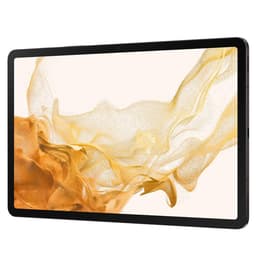
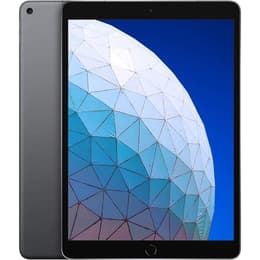
Galaxy Tab S8+ (12.4", 2022) vs iPad Air 3 (2019, A12 series)

  • 1-year warranty
  • Free standard shipping
  • Free 30-day returns
iPad Air 3 (2019, A12 series)
Starting at

Refurbished price:A$269.00

Versus A$739.00 new

See options

Differences at a glance

The Samsung Galaxy Tab S8+ (2022) and the Apple iPad Air 3 (2019) represent different generations and ecosystems in the tablet market, catering to users looking for reliable portable computing. While the Galaxy Tab S8+ runs on the Android operating system with a focus on expansive multitasking and media consumption, the iPad Air 3 utilizes iPadOS to deliver a streamlined interface supported by Apple's software ecosystem. These devices differ significantly in their release years, hardware capabilities, and screen dimensions, making them suitable for distinct user needs.

Available Models

Colour

Storage (GB)

Scores

Durability

When comparing the lifespan and durability of these two tablets, the release timeline and ongoing software support play major roles in determining their long-term viability.

  • Release timeline and software support: The Galaxy Tab S8+ benefits from a newer release year, securing a longer window of upcoming security updates and Android version upgrades, whereas the iPad Air 3 is further along in its software lifecycle with a more limited remaining window for major updates.
  • Repairability and build: Both tablets feature durable aluminum chassis constructions, though professional repair accessibility and spare part availability vary by region, impacting how easily screen replacements or battery swaps can be performed over time.
  • Expected practical lifespan: Users seeking extended software currency will find the newer Galaxy Tab S8+ better positioned for long-term daily use, while the iPad Air 3 remains functional for basic tasks depending on individual maintenance history.

Release year

2022

2019

Compatible with latest Update

Yes

Yes

Operating system

Android

iPadOS

Performance

Daily responsiveness and processing behavior vary between these devices due to their differing hardware generations and internal architectures.

  • Multitasking and app execution: The Galaxy Tab S8+ handles demanding applications, split-screen workflows, and heavy multitasking smoothly with ample random access memory headroom, while the iPad Air 3 manages everyday productivity apps, web browsing, and media streaming adequately for standard tasks.
  • Storage configuration and battery behavior: Both tablets are available in multiple internal storage capacities, and their batteries generally sustain a full day of mixed moderate usage, though heavy video streaming or gaming will require more frequent recharging.
  • System responsiveness: The newer internal hardware of the Galaxy Tab S8+ provides a swift navigation experience across complex interfaces, whereas the iPad Air 3 maintains reliable fluidity for standard day-to-day operations.

Screen quality

Visual output and display specifications differ notably in technology type, physical sizing, and outdoor usability.

  • Display technology: The Galaxy Tab S8+ features a large organic light-emitting diode screen delivering deep contrast levels and vibrant colors, whereas the iPad Air 3 utilizes a traditional liquid crystal display panel with standard color reproduction and wide viewing angles.
  • Brightness and outdoor visibility: Peak brightness levels on the Galaxy Tab S8+ allow for comfortable viewing in brightly lit environments, while the iPad Air 3 performs well indoors but may require shade under direct sunlight.
  • Refresh rate and dimensions: The Galaxy Tab S8+ incorporates a high refresh rate supporting smooth scrolling and responsive stylus interactions on its spacious 12.4-inch canvas, compared to the standard 60-hertz refresh rate and more compact screen dimensions of the iPad Air 3.

Resolution

1752 x 2800

2224 x 1668

Screen type

Super AMOLED

Retina display

Pixel density

270ppp

264ppp

Audiovisual

Multimedia capabilities, including optics and audio output, cater differently to remote communication and content consumption preferences.

  • Camera systems: The Galaxy Tab S8+ is equipped with a dual rear camera setup and an ultra-wide front-facing camera suited for video calls, while the iPad Air 3 features a single rear camera and a basic front-facing lens adequate for casual snapshots and virtual meetings.
  • Video and low-light performance: Both devices capture clear video in well-lit conditions, though neither is designed for specialized professional photography or challenging low-light environments.
  • Audio and media output: Multiple stereo speakers on both tablets deliver clear sound for listening to podcasts, watching videos, or participating in online lectures, providing a balanced media consumption experience.

Miscellaneous

Physical design characteristics and connectivity options shape how each tablet integrates into daily travel and workspace routines.

  • Connectivity and ports: The Galaxy Tab S8+ utilizes a reversible USB Type-C port for charging and data transfer alongside modern wireless standards, whereas the iPad Air 3 relies on a proprietary Lightning connector and established wireless connectivity protocols.
  • Security and authentication: Biometric security differs through an under-display fingerprint sensor on the Galaxy Tab S8+ compared to the physical home button housing Touch ID on the iPad Air 3.
  • Dimensions and handling: The Galaxy Tab S8+ offers a larger workspace suited for productivity tasks at the expense of a higher weight, while the iPad Air 3 provides a lighter, more compact profile that is easy to slip into a bag for travel.

Weight

567 oz

464 oz

Screen size (in)

12.4

10.5

Network

Wi-Fi

Wi-Fi + 4G

Carrier compatibility

Without SIM Port

Unlocked

What the community thinks

User discussions and community feedback indicate that both tablets fulfill distinct roles depending on individual preferences. Owners of the Galaxy Tab S8+ frequently praise its expansive, vibrant display, responsive multitasking capabilities, and inclusion of a stylus for note-taking. Conversely, users of the iPad Air 3 appreciate its lightweight build, straightforward operating system, and reliable integration into existing device setups. Common concerns for the older iPad model involve a shorter remaining software support window, while some users note that the larger size of the Samsung tablet requires more careful handling during travel.

Users prioritizing a large, high-contrast screen with advanced multitasking features and extended software longevity may prefer the Galaxy Tab S8+, while those seeking a lighter, more portable device integrated into the Apple ecosystem might lean toward the iPad Air 3. Selecting a quality-assured refurbished option through platforms like Back Market provides an eco-friendly alternative that extends device life cycles. Ultimately, the choice depends on matching personal workflow habits, operating system preferences, and physical size requirements to the strengths of each respective tablet.

Our recent comparisons