
Galaxy A23 5G vs Galaxy A73 5G

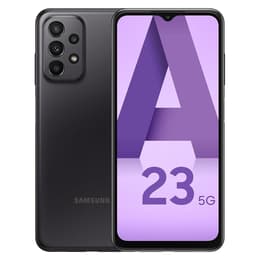
Galaxy A23 5G
Galaxy A23 5G
Starting at

Refurbished price:A$219.00

Versus A$457.00 new

See options
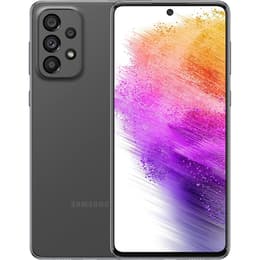
Galaxy A73 5G
Galaxy A73 5G
See options

Ratings

The Samsung Galaxy A23 5G and the Samsung Galaxy A73 5G are both smartphones from Samsung's A series, released in 2022. While both offer 5G connectivity and a similar design philosophy, the A73 5G generally presents a more advanced feature set, particularly in its display technology and camera capabilities, while the A23 5G focuses on delivering essential smartphone functions. Both devices operate on the Android platform with Samsung's One UI.

Scores

Durability

When considering the practical lifespan of these devices, their release timelines and software support policies are key differentiators.

  • Release Timeline: The Galaxy A73 5G was released in March 2022, while the Galaxy A23 5G followed in August 2022. This difference means the A73 5G has been available for a slightly longer period. [3, 7]
  • Software Longevity: The Galaxy A73 5G was promised four major Android OS updates and five years of security updates from its release, with security updates expected until April 2027. It is anticipated to receive Android 16 (One UI 8) as its final major OS update. [6, 26, 31] In contrast, the Galaxy A23 5G was promised two major Android OS upgrades and four years of security updates. It has been updated to Android 15 (as of July 2025) and is expected to receive One UI 7 (Android 15) by late August 2025. [10, 17, 20]
  • Durability Features: Both devices feature Corning Gorilla Glass 5 for screen protection. [13, 14] The Galaxy A73 5G also includes an IP67 rating for dust and water resistance, offering a higher level of protection against environmental elements compared to the A23 5G, which does not have an official IP rating. [6, 33]

Release year

2022

2022

Compatible with latest Update

Yes

Yes

Operating system

Android

Android

Foldable

No

No

Performance

The performance of these two smartphones varies, primarily due to their internal components, impacting how smoothly they handle daily tasks and more demanding applications.

  • Processing Power: The Galaxy A73 5G is equipped with a processor that offers a higher clock speed and generally provides more robust performance, making it well-suited for intensive multitasking and graphically demanding games. [2, 5, 6] The Galaxy A23 5G features a processor that capably handles everyday applications and general usage, though some users have reported occasional sluggishness, particularly with the 4GB RAM variant. [4, 7, 8, 22, 35]
  • Multitasking and Storage: The A73 5G typically comes with higher RAM configurations (6GB or 8GB) and storage options up to 256GB, contributing to smoother multitasking and more space for applications and media. [5, 6] The A23 5G offers RAM options from 4GB to 8GB and storage up to 128GB. Both models support expandable storage via microSD cards up to 1TB. [1, 7, 8]
  • Battery Behavior: Both devices are powered by a 5000mAh battery and support 25W fast charging, suggesting similar battery longevity under typical usage. [1, 3, 5, 13] However, some users of the A73 5G have reported faster battery drain, while others have noted the A23 5G's battery lasts through a full day of heavy use. [19, 30]

Memory (GB)

4 GB

6 GB

Screen quality

The visual experience on these devices differs significantly, mainly due to their display technologies and overall screen design.

  • Display Technology: The Galaxy A73 5G features a 6.7-inch Super AMOLED Plus display, known for its vibrant colors, deep blacks, and excellent contrast. [2, 3, 5, 6] The Galaxy A23 5G uses a 6.6-inch PLS LCD panel, which provides good clarity and brightness but does not offer the same level of color richness or contrast as an AMOLED screen. [1, 4, 7, 14]
  • Refresh Rate and Smoothness: Both phones offer a 120Hz refresh rate, contributing to a smoother scrolling experience and more fluid animations. [1, 3]
  • Resolution and Clarity: Both devices have a Full HD+ resolution (2408x1080 for A23 5G, 2400x1080 for A73 5G), providing sharp images and text for general viewing. [1, 3, 13] The A73 5G's display also features a punch-hole cutout for the front camera, offering a more modern and immersive viewing area compared to the A23 5G's waterdrop notch. [13, 29]

Resolution

1080 x 2408

1080 x 2400

Screen type

PLS LCD

Super AMOLED Plus

Audiovisual

The camera systems on the Galaxy A23 5G and A73 5G offer different capabilities, impacting the quality and versatility of photos and videos.

  • Rear Camera System: The Galaxy A73 5G boasts a more advanced quad-camera setup, featuring a 108MP main sensor with optical image stabilization (OIS), a 12MP ultrawide lens, and dedicated 5MP macro and depth sensors. This configuration allows for highly detailed photos and broader landscape shots. [2, 3, 6] The Galaxy A23 5G also has a quad-camera system, with a 50MP main sensor (with OIS), a 5MP ultrawide, and 2MP macro and depth sensors, providing competent performance for everyday photography. [1, 8, 13]
  • Video Recording: The A73 5G supports 4K video recording at 30 frames per second, offering higher resolution and detail for video content. [2] The A23 5G records video at up to 1080p at 30 frames per second. [8, 13, 33]
  • Front Camera: For selfies and video calls, the A73 5G includes a 32MP front-facing camera, capturing more detailed self-portraits. [3, 9] The A23 5G features an 8MP front camera. [1, 29]

Main camera

50 megapixels

108 megapixels

Front camera

8 megapixels

32 megapixels

Miscellaneous

Beyond core specifications, several practical elements contribute to the overall user experience of these smartphones.

  • Connectivity and Ports: Both devices support 5G connectivity, ensuring access to faster mobile networks. [1, 3] They both feature USB Type-C ports for charging and data transfer. [3, 13]
  • Biometric Security: The Galaxy A73 5G incorporates an in-display optical fingerprint sensor for convenient and secure unlocking. [3, 6] The Galaxy A23 5G utilizes a side-mounted fingerprint sensor integrated into the power button. [29]
  • Design and Handling: The A73 5G is slightly thinner and lighter than the A23 5G, weighing 181g compared to 197g, and has a more streamlined design with a punch-hole display. [6, 7, 9, 15] The A23 5G has a plastic build for its frame and rear, while the A73 5G combines a Gorilla Glass 5 front with a plastic back and sides. [6, 33]

Weight

197 oz

181 oz

Screen size (in)

6.6

6.7

Network

5G

5G

SIM card

Physical SIM

Dual Physical SIM

Carrier compatibility

Unlocked

Unlocked

User feedback for both the Galaxy A23 5G and Galaxy A73 5G highlights distinct strengths and areas for consideration. The Galaxy A23 5G is often praised for its reliable battery life and adequate performance for general use, with some users finding it a decent option for its core functionalities. However, some criticisms include reports of occasional sluggishness, especially with lower RAM configurations, and a less premium design. Some users have also reported issues like overheating and crashing. [22, 33, 35]

The Galaxy A73 5G generally receives positive remarks for its vibrant Super AMOLED Plus display, capable camera system, and extended software support. Conversely, some users have noted concerns regarding battery drain and occasional UI lag. There have also been reports of issues arising after software updates, such as call screen freezing or a decline in image quality. [19, 23, 27, 30]

Users prioritizing a more immersive visual experience, higher camera resolution, and longer software support may find the Galaxy A73 5G better suited to their needs. Its more powerful processor also caters to those who engage in more demanding applications or mobile gaming. Conversely, users seeking a dependable smartphone for everyday tasks, with solid battery performance and a focus on essential features, might lean towards the Galaxy A23 5G. Both devices offer a pathway to sustainable tech consumption through quality-assured refurbished options, providing an eco-friendly alternative to purchasing new. The choice between these two models ultimately depends on individual priorities regarding display quality, camera capabilities, and long-term software commitment.


See all articles

Our recent comparisons