
Galaxy Tab A (8.0", 2018) vs iPad Pro (2018, A12 series)

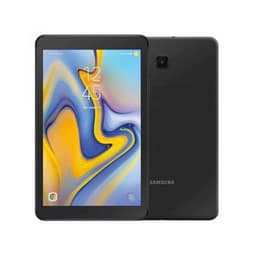
Galaxy Tab A (8.0", 2018)
See options
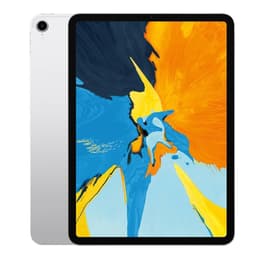
iPad Pro (2018, A12 series)
Starting at

Refurbished price:A$419.00

Versus A$949.00 new

See options

Ratings

The Samsung Galaxy Tab A 8.0 (2018) and the Apple iPad Pro (2018) represent distinct approaches to tablet design and functionality from their respective release years. While both devices offer portable computing experiences, they cater to different user needs through their operating systems, hardware capabilities, and overall ecosystems. The Galaxy Tab A 8.0, released in September 2018, runs on Android, offering a compact and versatile experience. In contrast, the iPad Pro, launched in November 2018, operates on iPadOS (initially iOS), providing a more powerful and productivity-focused platform. This comparison will explore their core differences to help you make an informed decision, especially when considering quality-assured refurbished options.

Scores

Durability

When evaluating the longevity of these tablets, several factors come into play, including their initial release, software support, and physical construction.

  • Release Timeline and OS Support: The Galaxy Tab A 8.0 (2018) launched with Android 8.1 Oreo and received updates up to Android 10, with some variants even reaching Android 11. This provides a reasonable software lifespan for an Android tablet of its era. The iPad Pro (2018), starting with iOS 12, has continued to receive major iPadOS updates, currently supporting iPadOS 17 and likely more in the future, offering a longer expected software support period.
  • Physical Durability: The Galaxy Tab A 8.0 features a plastic frame and a glossy aluminum back, offering a solid, if not premium, feel. The iPad Pro (2018) has an aluminum unibody design, which contributes to its thin profile. However, some users reported concerns regarding the iPad Pro's susceptibility to bending and glass fragility.
  • Repairability: Repairability scores for the Galaxy Tab A 8.0 are not widely published, but Android tablets generally offer varying degrees of repair access. The iPad Pro (2018) received a low repairability score, often 2 out of 10, primarily due to the extensive use of strong adhesives that make internal component access challenging.

Release year

2018

2018

Compatible with latest Update

No

Yes

Operating system

Android

iPadOS

Performance

The performance capabilities of these two tablets differ significantly, impacting their suitability for various tasks.

  • Processing Power: The Galaxy Tab A 8.0 is equipped with a quad-core processor, which handles everyday tasks like web browsing, email, and light media consumption smoothly. It can manage basic multitasking and some less demanding games without significant issues. The iPad Pro (2018) features a powerful Bionic processor, designed for demanding applications and intensive multitasking. This allows for fluid performance in professional-grade creative apps, complex games, and seamless switching between numerous applications.
  • Memory and Storage: The Galaxy Tab A 8.0 typically comes with 2GB of RAM and 32GB of internal storage, which can be expanded using a microSD card. This configuration is suitable for basic usage but may show limitations with many apps open simultaneously. The iPad Pro (2018) offers 4GB of RAM in its base configurations, with some higher-storage models featuring 6GB, providing more headroom for intensive workflows. Storage options range from 64GB up to 1TB, catering to users with extensive storage needs.
  • Battery Performance: The Galaxy Tab A 8.0 houses a 5000 mAh battery, providing good endurance for its class, with users reporting around 13.5 hours of video playback or up to two days of moderate use. The iPad Pro (2018) models have larger batteries (7812 mAh for the 11-inch and 9720 mAh for the 12.9-inch). While some users experience long battery life, others note that heavy professional use can deplete the battery significantly, and charging times can be slow.

Memory (GB)

2 GB

4 GB

Screen quality

The visual experience on these tablets is shaped by their display technology, resolution, and additional features.

  • Display Technology and Resolution: The Galaxy Tab A 8.0 features an 8.0-inch TFT LCD display with a resolution of 1280 x 800 pixels, resulting in a pixel density of 189 pixels per inch. This display is suitable for general media consumption and web browsing, though text and fine details may appear less sharp compared to higher-resolution screens. The iPad Pro (2018) boasts a Liquid Retina IPS LCD display, available in 11-inch (2388 x 1668 pixels) or 12.9-inch (2732 x 2048 pixels) sizes, both offering a crisp 264 pixels per inch.
  • Brightness and Color: The Galaxy Tab A 8.0 offers decent brightness and viewing angles, making it usable in various lighting conditions, including outdoors. The iPad Pro's Liquid Retina display supports wide color (P3) and True Tone technology, which automatically adjusts the display's white balance to match the ambient light, providing a more natural viewing experience.
  • Refresh Rate and Smoothness: A key differentiator for the iPad Pro (2018) is its ProMotion technology, enabling an adaptive refresh rate of up to 120Hz. This results in noticeably smoother scrolling, more responsive touch input, and a more fluid experience, particularly in fast-paced content or when using the Apple Pencil. The Galaxy Tab A 8.0 operates at a standard refresh rate, offering a consistent but less fluid visual experience.

Resolution

800 x 1280

2388 x 1668

Screen type

IPS LCD

Liquid Retina display

Pixel density

190ppp

264ppp

Audiovisual

While tablets are not typically primary photography devices, their cameras serve various practical purposes, from video calls to document scanning.

  • Rear Camera Performance: The Galaxy Tab A 8.0 includes an 8-megapixel rear camera with autofocus. It performs adequately in well-lit conditions for basic photos and document scanning, but images can appear grainy and blurry in low-light environments. The iPad Pro (2018) features a more capable 12-megapixel rear camera with an f/1.8 aperture. It offers improved image quality, especially in good lighting, and supports features like Smart HDR. However, it lacks optical image stabilization, which can affect video recording and low-light photography.
  • Front Camera Capabilities: For video calls and selfies, the Galaxy Tab A 8.0 has a 5-megapixel front-facing camera. Its performance is sufficient for video conferencing in good lighting. The iPad Pro (2018) is equipped with a 7-megapixel TrueDepth front camera, which enables Face ID for secure authentication and supports Portrait mode, Animoji, and Memoji. This camera generally provides clearer images and more advanced features for video communication.
  • Video Recording: Both tablets are capable of video recording, with the iPad Pro offering higher resolution and frame rate options, including 4K video at 60 frames per second. The Galaxy Tab A 8.0's video capabilities are more basic, suitable for casual recording.

Miscellaneous

Beyond the core specifications, several other features contribute to the overall user experience and utility of these tablets.

  • Connectivity: The Galaxy Tab A 8.0 supports Wi-Fi 4 (802.11 a/b/g/n) and Bluetooth 4.2, with LTE variants also available. The iPad Pro (2018) offers more advanced connectivity with Wi-Fi 5 (802.11ac) and Bluetooth 5.0, also with cellular options.
  • Ports and Biometrics: The Galaxy Tab A 8.0 includes a micro USB 2.0 port for charging and data transfer, along with a 3.5mm headphone jack and a microSD card slot for expandable storage. It relies on traditional PIN/pattern security. The iPad Pro (2018) transitioned to a USB-C port, offering greater versatility for connecting to external displays and accessories, but it notably removed the 3.5mm headphone jack. It utilizes Face ID for biometric authentication, providing a secure and convenient unlocking method.
  • Design and Handling: The Galaxy Tab A 8.0 is a compact and lightweight device, weighing around 358g, making it easy to hold and transport. The iPad Pro (2018) comes in 11-inch (468g) and 12.9-inch (631g) models, both featuring a thin profile. Its larger screen sizes offer more screen real estate for productivity and media.

Weight

358 oz

468 oz

Screen size (in)

8.0

11

Network

Wi-Fi + 4G

Wi-Fi

Carrier compatibility

Unlocked

Without SIM Port

The Samsung Galaxy Tab A 8.0 (2018) and the iPad Pro (2018) cater to distinct user profiles, each excelling in different areas. Users often praise the Galaxy Tab A 8.0 for its compact size, expandable storage via microSD, and the inclusion of a traditional headphone jack, making it a practical choice for casual media consumption and basic tasks. Criticisms sometimes point to its more modest performance and display resolution compared to higher-end tablets.

The iPad Pro (2018) is frequently lauded for its powerful processing capabilities, vibrant Liquid Retina display with ProMotion, and robust accessory ecosystem, including support for the Apple Pencil 2 and Smart Keyboard Folio. It is often seen as a strong contender for creative professionals and users requiring high performance. However, some users have expressed concerns about its durability, particularly regarding bending, and the absence of a headphone jack.

If your primary needs involve a portable device for web browsing, email, light gaming, and media viewing with the flexibility of Android and expandable storage, the Galaxy Tab A 8.0 (2018) may be a suitable option. For those who prioritize high performance for demanding applications, a superior display for creative work or immersive entertainment, and a more integrated accessory experience, the iPad Pro (2018) is likely a better fit. Both devices, when purchased as quality-assured refurbished options, offer an eco-friendly alternative to buying new, extending their useful life and contributing to a more sustainable consumption model.

See all articles

Our recent comparisons