
Galaxy Tab A (8.0", 2018) vs iPad 9 (2021, A13 series)

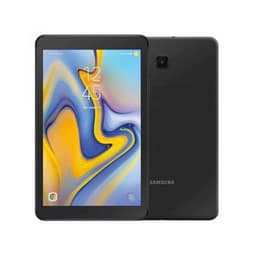
Galaxy Tab A (8.0", 2018)
See options
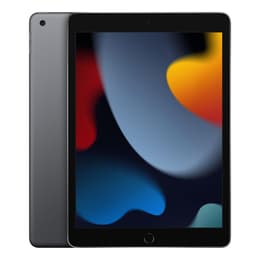
iPad 9 (2021, A13 series)
Starting at

Refurbished price:A$238.00

Versus A$549.00 new

See options

Ratings

The Samsung Galaxy Tab A 8.0 (2018) and the Apple iPad (9th Generation, 2021) are two distinct tablets designed for different user ecosystems. Released in September 2018, the Galaxy Tab A 8.0 operates on Android, offering a compact form factor. The iPad (9th Generation), launched in September 2021, runs on Apple's iPadOS, providing a larger display and a more powerful internal architecture. The primary differentiators lie in their operating systems, processing capabilities, and display sizes, catering to varied user preferences and needs.

Scores

Durability

The practical lifespan of a tablet is significantly influenced by its release date and ongoing software support. The Galaxy Tab A 8.0 (2018) was released in September 2018, while the iPad (9th Generation) followed in September 2021, giving the iPad a three-year advantage in its lifecycle.

  • Software Updates: The Galaxy Tab A 8.0 launched with Android 8.1 Oreo and received updates up to Android 10, with major OS support likely concluding around 2022. In contrast, the iPad (9th Generation) launched with iPadOS 15 and is expected to receive major iPadOS updates until 2026 or 2027, with security patches potentially extending to 2028 or 2029. This indicates a considerably longer period of active software support for the iPad.
  • Repairability: Apple iPads, including the 9th Generation, generally receive low repairability scores due to extensive use of adhesive for components like the screen and battery, making DIY repairs challenging and often requiring specialized tools. While specific scores for the Galaxy Tab A 8.0 (2018) are not readily available, older Samsung tablets often feature glued components, suggesting a similar level of repair difficulty.
  • Practical Lifespan: Users prioritizing long-term software compatibility and access to the latest features will find the iPad (9th Generation) offers a more extended practical lifespan. The Galaxy Tab A 8.0 (2018) remains functional for basic tasks, but its software is no longer actively updated.

Release year

2018

2021

Compatible with latest Update

No

Yes

Operating system

Android

iPadOS

Performance

The performance of these two tablets varies significantly due to their different internal components and release timelines. The iPad (9th Generation) offers a more robust experience for demanding applications compared to the Galaxy Tab A 8.0 (2018).

  • Processing Power: The Galaxy Tab A 8.0 (2018) is equipped with a quad-core processor, which handles everyday tasks like web browsing, email, and light media consumption smoothly. However, users may experience slowdowns when running multiple apps simultaneously or engaging in more intensive activities. The iPad (9th Generation) features a more advanced hexa-core processor, providing a substantial boost in speed and responsiveness. This allows for seamless multitasking, fluid gaming, and efficient handling of demanding applications such as photo and video editing.
  • Multitasking and Storage: The Galaxy Tab A 8.0 (2018) comes with 2GB of RAM and 32GB of internal storage, which can be expanded with a microSD card up to 400GB. The iPad (9th Generation) includes 3GB of RAM and offers storage options of 64GB or 256GB, though it lacks expandable storage. The additional RAM in the iPad contributes to smoother transitions between applications and better overall multitasking capabilities.
  • Battery Behavior: The Galaxy Tab A 8.0 (2018) has a 5000 mAh battery, providing approximately 11 to 13 hours of video playback and easily lasting a full day with moderate use. The iPad (9th Generation) is powered by an 8557 mAh battery, which typically delivers up to 10 hours of general use on a single charge. Both devices offer sufficient battery life for extended use throughout the day.

Memory (GB)

2 GB

3 GB

Screen quality

The visual experience on these tablets differs in size, technology, and clarity, impacting how content is displayed and consumed.

  • Display Technology and Size: The Galaxy Tab A 8.0 (2018) features an 8-inch IPS LCD with a resolution of 1280 x 800 pixels, resulting in a pixel density of 189 pixels per inch (ppi). This screen size is compact and suitable for portability. The iPad (9th Generation) offers a larger 10.2-inch Retina IPS LCD with a higher resolution of 2160 x 1620 pixels, achieving a pixel density of 264 ppi. The larger screen provides more viewing area, and the higher pixel density results in sharper text and more detailed images.
  • Clarity and Brightness: While the Galaxy Tab A 8.0's display is adequate for media consumption, text can appear slightly pixelated, and its brightness levels are not particularly high. The iPad (9th Generation)'s Retina display delivers vibrant colors and sharp details, making it suitable for various content. It also includes True Tone technology, which adjusts the screen's color temperature based on ambient light, and offers a maximum brightness of 500 nits, enhancing visibility in different lighting conditions.
  • Viewing Experience: The iPad's larger, higher-resolution display and True Tone feature provide a more immersive and comfortable viewing experience, especially for reading, watching videos, and creative tasks. The Galaxy Tab A 8.0's smaller screen and lower resolution are more suited for casual browsing and portability.

Resolution

800 x 1280

2160 x 1620

Screen type

IPS LCD

Retina display

Pixel density

190ppp

264ppp

Audiovisual

The camera systems on these two tablets are designed for different purposes, with the iPad (9th Generation) offering more advanced features, particularly for video communication.

  • Rear Camera Performance: The Galaxy Tab A 8.0 (2018) includes a 5-megapixel rear camera with autofocus. This camera is generally considered underwhelming, producing passable photos in good lighting but struggling with graininess and blur in low-light conditions. The iPad (9th Generation) features an 8-megapixel rear camera, which is suitable for quick snaps, document scanning, and augmented reality applications. While not designed for professional photography, it offers reliable performance for general use.
  • Front Camera and Video: The Galaxy Tab A 8.0 (2018) has a 2-megapixel front camera, which is sufficient for basic video calls in well-lit environments, but its quality degrades in lower light. The iPad (9th Generation) significantly upgrades its front camera to a 12-megapixel ultra-wide lens with Center Stage technology. Center Stage automatically keeps the user in the frame during video calls, making it highly beneficial for virtual meetings and online learning.
  • Audio Quality: The Galaxy Tab A 8.0 (2018) has a single speaker that can sound hollow at higher volumes. The iPad (9th Generation) features stereo speakers, providing a more balanced audio experience for media consumption.

Miscellaneous

Beyond core specifications, several practical elements differentiate these tablets, influencing their usability and compatibility with accessories.

  • Connectivity and Ports: Both tablets offer Wi-Fi and Bluetooth connectivity, with optional LTE models available for cellular data access. The Galaxy Tab A 8.0 (2018) supports Wi-Fi 802.11 a/b/g/n dual-band and Bluetooth 4.2. It uses a microUSB 2.0 port for charging and data transfer, and includes a 3.5mm headphone jack. The iPad (9th Generation) supports faster Wi-Fi 5 (802.11ac) with MIMO and Bluetooth 4.2. It utilizes Apple's proprietary Lightning port for charging and data, and also retains a 3.5mm headphone jack.
  • Physical Design and Handling: The Galaxy Tab A 8.0 (2018) is more compact and lighter, weighing 358g with dimensions of 206.5 x 126.7 x 8.9mm. Its plastic construction makes it durable for everyday handling. The iPad (9th Generation) is larger and heavier at 487g and measures 250.6 x 174.1 x 7.5mm. It features an aluminum back and glass front, offering a more premium feel. The iPad also includes a physical home button with Touch ID for secure authentication.
  • Accessory Support: The iPad (9th Generation) supports the first-generation Apple Pencil and the Smart Keyboard, enhancing its utility for note-taking, drawing, and productivity tasks. The Galaxy Tab A 8.0 (2018) does not have official support for a stylus or dedicated keyboard accessories from Samsung.

Weight

358 oz

487 oz

Screen size (in)

8.0

10.2

Network

Wi-Fi + 4G

Wi-Fi

Carrier compatibility

Unlocked

Without SIM Port

The Samsung Galaxy Tab A 8.0 (2018) and the Apple iPad (9th Generation, 2021) cater to different user needs and expectations. Users often praise the Galaxy Tab A 8.0 for its compact size, expandable storage, and reliable battery life for basic media consumption and browsing. However, common criticisms include its dated processor, lower-resolution screen, and limited software update longevity.

The iPad (9th Generation) is frequently lauded for its powerful performance, vibrant Retina display, and the advanced front-facing camera with Center Stage, making it a strong contender for productivity, creative tasks, and video conferencing. Users appreciate its long software support, ensuring access to the latest iPadOS features for an extended period. Some common observations include its older design with larger bezels and the continued use of the Lightning port instead of USB-C.

Users prioritizing a highly portable, budget-friendly tablet primarily for casual browsing, email, and media consumption, especially those who value expandable storage, may find the Galaxy Tab A 8.0 (2018) suitable. Conversely, individuals seeking a more powerful device for demanding applications, creative work, extensive multitasking, and a longer period of software updates will likely prefer the iPad (9th Generation). Its larger, higher-resolution screen and robust ecosystem of apps and accessories also make it a strong choice for students and professionals. Both devices, when considered as quality-assured refurbished options, offer an eco-friendly alternative for consumers.

See all articles

Our recent comparisons