Compare models

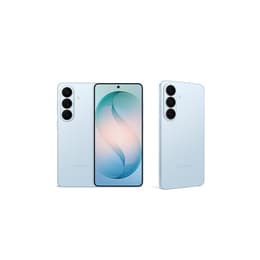
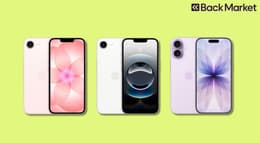
Galaxy S26 vs iPhone 17e

  • 1-year warranty
  • Free standard shipping
  • Free 30-day returns
Galaxy S26
Starting at

Refurbished price:A$1,133.00

Versus A$1,549.00 new

See options
iPhone 17e
Starting at

Refurbished price:A$979.00

Versus A$1,149.00 new

See options

Differences at a glance

The Samsung Galaxy S26 (2026) and the Apple iPhone 17e (2026) represent contemporary options within the smartphone market, each bringing distinct ecosystems and hardware philosophies to users. While both devices launched in early 2026, they target different user preferences through unique software environments and hardware configurations.

Operating on Android with Samsung's custom interface, the Galaxy S26 emphasizes versatility and multi-lens camera systems, whereas the iPhone 17e runs iOS, focusing on streamlined integration within the Apple ecosystem and straightforward daily operation.

Available Models

Colour

Storage

Scores

Durability

Both smartphones launched in 2026, ensuring access to current software architectures and multi-year update paths, though their long-term support models reflect their respective manufacturers' timelines.

  • Software longevity: Both devices receive multi-year operating system upgrades and security patches, aligning with standard industry support lifecycles for current-generation hardware.
  • Repairability and build: Both models incorporate high-durability materials with official dust and water resistance ratings, supporting dependable day-to-day operation over extended periods of ownership.
  • Practical lifespan: Solid internal component configurations ensure both devices maintain responsive execution for everyday tasks, navigation, and media consumption across several years of consistent usage.

Release year

2026

2026

Operating system

Android

iOS

Foldable

No

No

Performance

Equipped with current-generation hardware architectures, both the Galaxy S26 and the iPhone 17e deliver swift daily operation, though they approach multitasking and storage provisioning differently.

  • System responsiveness: Both devices handle standard web browsing, messaging, and demanding application switching smoothly without noticeable latency or stuttering.
  • Multitasking capacity: Generous memory configurations allow users to run multiple applications simultaneously and keep background tasks active without frequent reloading.
  • Battery behavior: Both models manage power efficiently during standard daily workflows, comfortably lasting through routine usage cycles before requiring a recharge.

Screen quality

The Galaxy S26 and the iPhone 17e feature advanced OLED display panels that deliver sharp text rendering, high contrast ratios, and comfortable viewing experiences across various lighting conditions.

  • Display technology: Both devices utilize high-clarity OLED screens featuring deep black levels and vivid color reproduction for media viewing and reading.
  • Outdoor legibility: High peak brightness capabilities allow both screens to remain clearly readable when used outdoors under direct sunlight.
  • Visual fluidity: Responsive touch sampling and smooth panel refresh rates contribute to fluid scrolling through web pages and fluid UI navigation.

Resolution

1080x2340

2532 x 1170

Audiovisual

The Galaxy S26 and the iPhone 17e cater to different photography preferences, balancing multi-lens flexibility with streamlined, single-lens operational simplicity.

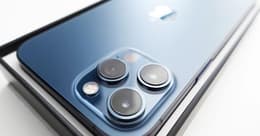
  • Photography capabilities: The Galaxy S26 provides a versatile multi-lens rear camera array for varied focal lengths, while the iPhone 17e relies on a refined single main sensor approach optimized for balanced everyday captures.
  • Low-light performance: Both devices incorporate automated image processing to preserve detail and control noise when shooting in dim environments.
  • Video and audio: High-definition video recording with stabilization features is supported on both models, complemented by clear multi-microphone audio capture for calls and recordings.

Miscellaneous

Physical design choices and connectivity standards shape how each device handles in everyday scenarios, balancing ergonomics with modern feature sets.

  • Connectivity and ports: Both models support current 5G networks, fast Wi-Fi standards, and Bluetooth connections, utilizing modern reversible charging ports.
  • Biometric security: Each device offers secure authentication mechanisms, utilizing facial recognition or fingerprint scanning for quick unlocking and authorized transactions.
  • Handling and ergonomics: Form factors are optimized for one-handed operation, featuring manageable weights and slim profiles that fit comfortably into pockets and small bags.

Weight

167 oz

169 oz

Screen size (in)

6.3

6.1

Network

5G

5G

SIM card

Physical SIM + eSIM

Physical SIM + eSIM

Carrier compatibility

Unlocked

Unlocked

What the community thinks

User discussions across community forums highlight distinct preferences for each device based on ecosystem integration and hardware layout. Common praise for the Galaxy S26 centers on its flexible multi-lens camera versatility and customizable software environment. Conversely, users frequently praise the iPhone 17e for its intuitive operating system layout, reliable everyday performance, and seamless compatibility with other Apple devices. Some users note that moving between these distinct operating systems requires an adjustment period, while others point out that single-camera limitations on the Apple model or complex menu options on the Samsung model may not suit everyone.

Users prioritizing deep customization and versatile optical zoom options will find the Galaxy S26 well-suited to their preferences, while users seeking a streamlined interface and straightforward operation within the iOS ecosystem may lean toward the iPhone 17e. For consumers exploring sustainable purchasing routes, choosing a quality-assured refurbished option provides an eco-friendly alternative that extends device lifecycles without compromising on core performance. Ultimately, the choice depends on personal software preference and daily workflow requirements rather than a definitive ranking.