
Compare models
iPhone 15 Pro vs iPhone 17e
- 1-year warranty
- Free standard shipping
- Free 30-day returns
Differences at a glance
The iPhone 15 Pro (2023) and the iPhone 17e (2026) are both 6.1-inch smartphones running Apple's iOS platform, yet they cater to different device philosophies. While the iPhone 15 Pro focuses on high-tier multi-lens versatility and professional features, the iPhone 17e provides a modern alternative centered around streamlined core capabilities and extended launch generation advantages.
Available Models
Colour
Storage (GB)
Scores
Durability
When evaluating hardware longevity, these two devices reflect different release timelines and software support trajectories.
- Release timeline and software support: The iPhone 15 Pro launched in 2023, whereas the iPhone 17e arrived in 2026, giving the newer model a distinct advantage in total expected software update longevity. Both receive regular system updates, but the iPhone 17e will remain eligible for manufacturer support further into the future.
- Repairability and build endurance: Both handsets feature robust water resistance ratings and durable glass formulations designed to withstand daily wear. Repair infrastructure for both models is widely established, making component replacements straightforward through quality-assured refurbished options.
- Practical lifespan: Users can expect several years of smooth operation from either device, though software-driven features appearing later in the decade may favor the more recently manufactured hardware.
Release year
2023
2026
Operating system
iOS
iOS
Foldable
No
No
Performance
Underneath the surface, both smartphones handle daily tasks, navigation, and demanding applications smoothly, though they differ in storage configurations and energy management.
- Storage options and multitasking: The iPhone 15 Pro offers various storage tiers starting from lower capacities, whereas the iPhone 17e begins with higher base storage capacities suited for large photo libraries and media files. Both incorporate ample system memory to keep background applications active without sudden reloads.
- Processor capability and responsiveness: Both devices open heavy applications instantly, switch between multiple programs seamlessly, and handle modern mobile gaming without stuttering. System responsiveness remains fluid across standard daily use cases.
- Battery behavior: The iPhone 17e benefits from newer internal components that manage power efficiently, often sustaining a full day of mixed use comfortably. The iPhone 15 Pro also delivers reliable daily battery endurance, though heavy users may occasionally require a mid-day charge depending on battery health.
Screen quality
Both smartphones feature 6.1-inch OLED display technology that delivers sharp text, deep black levels, and vivid color reproduction.
- Display fluidity and responsiveness: The iPhone 15 Pro utilizes adaptive high refresh rate technology for smoother scrolling and motion rendering. The iPhone 17e features a standard refresh rate panel that handles everyday viewing comfortably.
- Brightness and outdoor visibility: Both screens reach high peak brightness levels, allowing content to remain legible when used under direct sunlight or bright ambient lighting conditions.
- Visual immersion: Narrow borders surround both panels, offering an immersive viewing area for videos, browsing, and media consumption.
Resolution
1179 x 2556
2532 x 1170
Audiovisual
Camera systems represent one of the primary distinctions in daily use between these two device tiers.
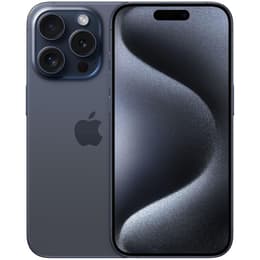
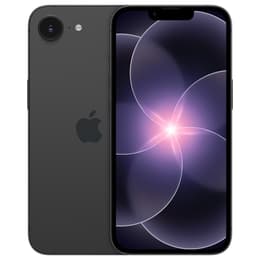
- Lens configurations: The iPhone 15 Pro features a flexible triple-lens array including a dedicated telephoto zoom lens for distant subjects. The iPhone 17e utilizes a streamlined single-lens system that relies on sensor resolution to provide clean optical-quality zoom steps.
- Low-light and video capture: Both devices capture detailed photographs in challenging lighting environments and record stable, high-resolution video equipped with advanced stabilization features.
- Audio and media output: Stereo speaker setups on both models deliver clear sound for hands-free calls, casual video viewing, and music playback.
Front camera
12 megapixels
12 megapixels
Miscellaneous
Practical daily usability is shaped by physical dimensions, connectivity standards, and hardware controls.
- Build materials and design: The iPhone 15 Pro incorporates a lightweight titanium frame with textured glass and a customizable physical action button. The iPhone 17e features a sleek aluminum and glass construction that also includes a physical action button.
- Connectivity and ports: Both models use universal USB-C ports for charging and data transfer, alongside modern 5G cellular capabilities and fast wireless connectivity standards.
- Biometrics and handling: Both devices rely on secure facial recognition for unlocking and authorizations. Their similar physical footprints ensure they fit comfortably in pockets and one-handed grips.
Weight
187 oz
169 oz
Screen size (in)
6.1
6.1
Network
5G
5G
SIM card
Physical SIM + eSIM
eSIM
Carrier compatibility
Unlocked
Unlocked
Connector
USB-C (USB 3)
USB-C (USB 2)
What the community thinks
Choosing between the iPhone 15 Pro and the iPhone 17e depends heavily on individual feature priorities rather than raw capability. Users prioritizing optical zoom versatility, multi-lens camera setups, and fluid display refresh rates will find the iPhone 15 Pro well-suited to their workflow. Conversely, users prioritizing a more recent manufacturing year, extended software longevity, and higher baseline storage will lean toward the iPhone 17e.
For consumers seeking an eco-friendly alternative, choosing a quality-assured refurbished option from Back Market allows buyers to access these technologies while reducing electronic waste. Reviewing personal preferences regarding camera flexibility and software lifespan will point toward the ideal device for everyday use.