Compare models

Galaxy S26 Ultra vs iPhone 17

  • 1-year warranty
  • Free standard shipping
  • Free 30-day returns
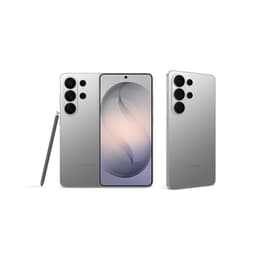
Galaxy S26 Ultra
Starting at

Refurbished price:A$1,480.00

Versus A$2,499.00 new

See options
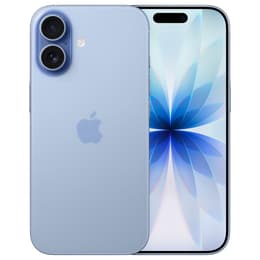
iPhone 17
Starting at

Refurbished price:A$1,269.00

Versus A$1,549.00 new

See options

Differences at a glance

The Samsung Galaxy S26 Ultra (2026) and the Apple iPhone 17 (2025) represent two distinct approaches to high-end smartphone engineering, operating across the Android and iOS ecosystems respectively. While the Galaxy S26 Ultra functions as a large-format productivity powerhouse with an integrated stylus, the iPhone 17 serves as a streamlined everyday flagship focused on balance and efficiency. Both devices deliver modern computing power, high-refresh-rate displays, and robust build materials, yet cater to entirely different user preferences regarding software environments and physical form factors.

Available Models

Colour

Storage

Scores

Durability

Both smartphones are engineered for extended ownership cycles, featuring multi-year software support timelines and durable hardware construction designed to handle daily wear.

  • Software Support Duration: The Galaxy S26 Ultra receives up to seven years of major operating system upgrades, matching the long-term update window provided by Apple for the iPhone 17.
  • Hardware Resilience: Both models utilize advanced drop- and scratch-resistant glass panels alongside high-grade metal frames, paired with robust dust and water resistance ratings for everyday peace of mind.
  • Repairability Outlook: Authorized service networks for both manufacturers provide structured component replacements, supporting sustainable device maintenance over extended usage periods.

Release year

2026

2025

Operating system

Android

iOS

Foldable

No

No

Performance

Handling demanding applications, multitasking, and daily navigation smoothly, both models utilize advanced internal architectures paired with optimized system memory configurations.

  • Storage Configurations: Both devices begin their baseline offerings at generous storage capacities, ensuring ample room for apps, media, and offline files without requiring external cards.
  • Battery Behavior: The Galaxy S26 Ultra features a large battery capacity designed to comfortably span a full day of heavy use, while the iPhone 17 relies on deep hardware-software power efficiency to achieve comparable daily endurance.
  • Multitasking Responsiveness: Advanced processors and high-bandwidth memory allocations allow both phones to switch rapidly between resource-intensive tasks, gaming sessions, and background processes without noticeable stutter.

Screen quality

Visual immersion is a priority for both flagships, utilizing advanced display panels that deliver sharp detail, deep contrast, and responsive motion handling.

  • Display Technology: The Galaxy S26 Ultra deploys a sprawling AMOLED panel tailored for maximum viewing area, whereas the iPhone 17 features a Super Retina XDR OLED screen optimized for color accuracy and balanced proportions.
  • Outdoor Visibility: Both panels scale to high peak brightness levels, ensuring text and media remain legible under direct sunlight conditions.
  • Motion Smoothness: Adaptive refresh rates up to 120Hz allow both devices to dynamically scale smoothness during scrolling or gaming while preserving battery efficiency during static tasks.

Audiovisual

Imaging capabilities on these devices accommodate diverse creative workflows, offering versatile lens configurations for varied photographic scenarios.

  • Lens Versatility: The Galaxy S26 Ultra utilizes a multi-lens rear array featuring high-resolution sensors and dedicated optical zoom options for distant subjects, while the iPhone 17 employs a dual-camera system emphasizing balanced wide and ultra-wide performance.
  • Low-Light Photography: Computational photography algorithms on both models brighten dark environments and suppress noise effectively during evening or indoor shooting.
  • Media and Audio Recording: Both phones capture stable, high-resolution video paired with clear multi-microphone audio arrays suited for content creation, virtual calls, and casual recording.

Miscellaneous

Practical everyday usability is shaped by connectivity standards, physical dimensions, and ergonomic design choices unique to each device framework.

  • Connectivity Standards: Both models incorporate current-generation wireless protocols including high-speed mobile data capabilities, advanced Wi-Fi standards, and modern Bluetooth tech for stable accessory pairing.
  • Physical Ports: Universal USB-C charging ports are standard on both devices, streamlining cable management across shared electronic accessories.
  • Ergonomics and Handling: The Galaxy S26 Ultra presents a wider footprint designed for maximum screen acreage and productivity tasks, whereas the iPhone 17 adopts a lighter, more compact profile that favors single-handed operation.

Weight

214 oz

177 oz

Screen size (in)

6.9

6.3

Network

5G

5G

SIM card

Physical SIM + eSIM

Physical SIM + eSIM

Carrier compatibility

Unlocked

Unlocked

What the community thinks

User discussions across community forums highlight distinct points of praise for each flagship device. Owners of the Galaxy S26 Ultra frequently commend its expansive display, versatile multi-lens zoom capabilities, and the productivity benefits of an integrated stylus. Conversely, iPhone 17 users often praise its comfortable ergonomics, seamless ecosystem integration, and dependable daily battery efficiency. Common criticisms across both models typically focus on their large physical dimensions compared to smaller legacy phones, as well as the absence of expandable storage slots.

Users prioritizing maximum screen workspace, advanced zoom photography, and stylus input will find the Galaxy S26 Ultra well-suited to their workflow, while users favoring a lighter physical footprint, simpler ergonomics, and the iOS environment may lean toward the iPhone 17. For consumers seeking a sustainable choice, a quality-assured refurbished option provides an eco-friendly alternative that delivers identical core capabilities while extending the lifecycle of premium electronics. Ultimately, the choice depends on personal preferences regarding software ecosystems, physical sizing, and specific daily utility requirements rather than raw capability gaps.