Compare models

Galaxy S26 Ultra vs iPhone 16

  • 1-year warranty
  • Free standard shipping
  • Free 30-day returns
Galaxy S26 Ultra
Starting at

Refurbished price:A$1,559.00

Versus A$2,199.00 new

See options
iPhone 16
Starting at

Refurbished price:A$809.00

Versus A$1,349.00 new

See options

Differences at a glance

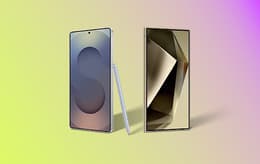
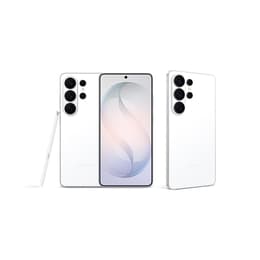
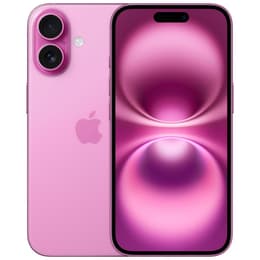
The Samsung Galaxy S26 Ultra (2026) and the Apple iPhone 16 (2024) represent different approaches to modern smartphone design, catering to distinct user preferences across mobile platforms. While the Galaxy S26 Ultra functions as a large-format device equipped with an integrated stylus and an expansive multi-lens camera array, the iPhone 16 offers a compact, streamlined smartphone experience within Apple's ecosystem. The primary differences lie in their physical dimensions, operating systems, and specialized productivity features, allowing each device to serve unique daily needs.

Available Models

Colour

Storage

Scores

Durability

When evaluating the long-term viability of these devices, several factors regarding software support, build resilience, and update frequencies help determine their expected operational lifespans.

  • Software support timelines: Both manufacturers provide extensive software maintenance schedules, ensuring multi-year security patches and operating system upgrades that keep both models secure and functional for years.
  • Build resilience and materials: Each model incorporates durable exterior glass and reinforced frames designed to withstand accidental drops, though their differing footprints influence how each handles everyday wear and tear.
  • Repair ecosystem: Choosing a quality-assured refurbished option provides a sustainable choice that extends device lifecycles while maintaining reliable daily performance standards.

Release year

2026

2024

Foldable

No

No

Performance

Day-to-day responsiveness and operational efficiency vary based on how each device manages internal resources, memory allocations, and thermal loads.

  • Multitasking and memory handling: Both devices manage heavy application switching smoothly, though the Galaxy S26 Ultra provides extra memory capacity suited for intensive multi-window workflows.
  • App loading and gaming: Current-generation processing hardware on both models ensures rapid application launch times and stable frame rates during graphic-intensive tasks.
  • Battery endurance: The larger physical footprint of the Galaxy S26 Ultra accommodates a higher-capacity battery for extended heavy usage, whereas the iPhone 16 relies on optimized power efficiency to last through a standard day.

Screen quality

Visual output and display characteristics differ significantly between the two models, impacting media consumption, outdoor legibility, and overall interaction comfort.

  • Display technology and clarity: Both models utilize vibrant OLED panels that deliver deep contrast levels and sharp text rendering, though the Galaxy S26 Ultra features a noticeably larger screen diagonal.
  • Outdoor visibility: High peak brightness capabilities on both screens ensure content remains legible under direct sunlight, minimizing glare during outdoor use.
  • Refresh rate smoothness: The Galaxy S26 Ultra incorporates an adaptive high refresh rate for fluid scrolling, while the iPhone 16 operates at a standard refresh rate.

Resolution

1440x3120

1179 x 2556

Audiovisual

Imaging capabilities and media recording options vary to accommodate different photography styles, ranging from versatile zoom options to streamlined point-and-shoot simplicity.

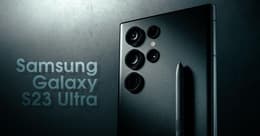
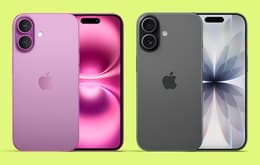
  • Lens versatility: The Galaxy S26 Ultra features a multi-lens configuration including dedicated long-range telephoto capabilities, whereas the iPhone 16 utilizes a dual-camera system focused on primary and ultra-wide angles.
  • Low-light performance: Advanced image processing on both devices preserves shadow detail and reduces noise in dim environments, delivering clear nighttime photographs.
  • Video recording features: Both models capture stable, high-resolution video with clear internal microphone pickup, making them well-suited for casual content creation and video calls.

Miscellaneous

Practical physical attributes, connectivity standards, and daily usability features define the overall handling experience of each smartphone.

  • Connectivity and ports: Both devices support modern 5G networks and fast Wi-Fi standards, utilizing a universal USB-C port for charging and data transfer.
  • Biometric security: The Galaxy S26 Ultra offers both under-display fingerprint sensing and facial recognition, while the iPhone 16 relies exclusively on advanced facial scanning technology.
  • Physical dimensions: The Galaxy S26 Ultra is considerably larger and heavier to accommodate its expansive screen and stylus, whereas the iPhone 16 prioritizes lightweight, one-handed usability.

Weight

214 oz

170 oz

Screen size (in)

6.9

6.1

Network

5G

5G

SIM card

Physical SIM + eSIM

Physical SIM + eSIM

Carrier compatibility

Unlocked

Unlocked

What the community thinks

User feedback from online communities highlights distinct preferences for each device based on everyday use cases. Owners of the Galaxy S26 Ultra frequently praise its expansive display, versatile zoom photography, and the productivity benefits of the integrated stylus, though some note that its large physical size can feel cumbersome during one-handed operation. Conversely, users of the iPhone 16 often commend its comfortable ergonomics, reliable battery efficiency, and the intuitive nature of its software ecosystem, while noting limitations in optical zoom range compared to larger flagship alternatives.

Users prioritizing maximum screen estate, multi-lens photography versatility, and productivity tools will find the Galaxy S26 Ultra well-suited to their needs. Meanwhile, users preferring a compact, lightweight form factor with straightforward daily operation may lean toward the iPhone 16. Selecting an eco-friendly alternative through a quality-assured refurbished option provides a sustainable choice for consumers aiming to reduce electronic waste without compromising on modern smartphone capabilities.