
iPhone
Compare models
Differences at a glance
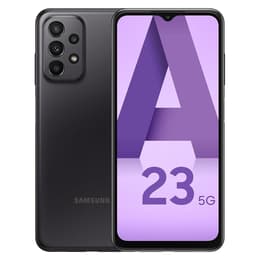
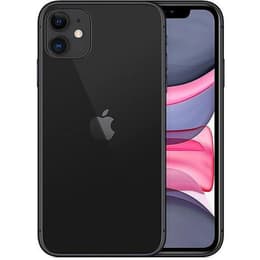
The Samsung Galaxy A23 5G, released in late 2022, and the iPhone 11, launched in late 2019, represent distinct approaches to smartphone design and functionality. While both devices offer a comprehensive mobile experience, they cater to different user priorities through their respective operating systems and hardware choices. The Galaxy A23 5G operates on Android, offering extensive customization and a more recent release, whereas the iPhone 11 runs on Apple's iOS, known for its integrated ecosystem and consistent user experience. Key differentiators include their display technologies, camera capabilities, and connectivity options.
Colour
Storage
When considering the long-term usability of these devices, their release timelines and software support are important factors.
Release year
Compatible with latest Update
Operating system
Foldable
The performance of a smartphone is crucial for daily tasks, from navigating applications to engaging with multimedia content.
The display is a primary interface for smartphone interaction, and both devices offer distinct viewing experiences.
Resolution
Screen type
Camera capabilities are a significant consideration for many users, and these phones approach photography and videography differently.
Main camera
Front camera
Beyond core features, several practical elements contribute to the overall user experience and device utility.
Weight
Screen size (in)
Network
SIM card
Carrier compatibility
The Samsung Galaxy A23 5G and the iPhone 11 offer distinct strengths, making each suitable for different user needs. The iPhone 11 is often praised for its consistent performance, robust software ecosystem, and capable camera system, particularly its low-light photography. Users frequently highlight its smooth operation and the longevity of iOS updates as significant advantages. However, some users note its 60Hz display and the absence of 5G connectivity as areas where it shows its age compared to newer devices.
Conversely, the Galaxy A23 5G receives positive feedback for its large, high-refresh-rate display, impressive battery life, and the flexibility of expandable storage. Its 5G capability is a key draw for those seeking faster network speeds. Criticisms sometimes point to its video recording capabilities, which are not as advanced as some competitors, and its plastic build without an official IP rating. The camera performance, while good for the main sensor, can be inconsistent across its multiple lenses.
Users prioritizing a smooth, integrated software experience with strong long-term software support and advanced video capabilities may find the iPhone 11 well-suited to their needs. Those who value a larger, high-refresh-rate display, exceptional battery life, expandable storage, and 5G connectivity will likely lean toward the Galaxy A23 5G. Both devices offer reliable performance for everyday use, and choosing between them often comes down to personal preference for operating system and specific feature priorities. For those considering either device, exploring quality-assured refurbished options can be an eco-friendly alternative.