
Galaxy S25+ vs iPhone 16 Pro

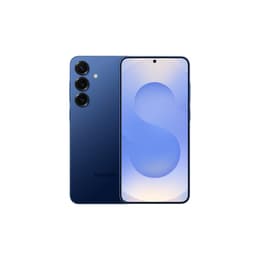
Galaxy S25+
Galaxy S25+
Starting at

Refurbished price:A$922.00

Versus A$1,699.00 new

See options
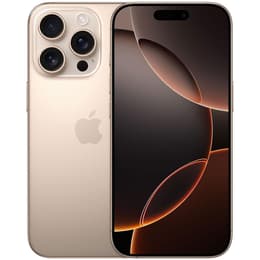
iPhone 16 Pro
iPhone 16 Pro
Starting at

Refurbished price:A$1,116.00

Versus A$1,799.00 new

See options

The Samsung Galaxy S25 Plus, released in early 2025, and the Apple iPhone 16 Pro, launched in late 2024, represent two distinct approaches to the premium smartphone experience. Both devices offer advanced capabilities, but they cater to different user preferences through their respective operating systems and hardware philosophies. The Galaxy S25 Plus operates on Android, while the iPhone 16 Pro runs on iOS, leading to fundamental differences in user interface and ecosystem integration. Key differentiators between these models include their camera systems, display characteristics, and long-term software support.

Scores

Durability

When considering the longevity of these devices, both the Galaxy S25 Plus and the iPhone 16 Pro offer substantial support, though with differing timelines and approaches.

  • Software Updates: The Samsung Galaxy S25 Plus is notable for its commitment to extended software support, offering seven years of Android OS updates from its release in early 2025. This provides a long period of access to new features and security enhancements. The iPhone 16 Pro, released in late 2024, typically receives iOS updates for five to seven years, ensuring a robust software experience for a considerable duration.
  • Repairability: The Galaxy S25 Plus has received a high repairability score of 9 out of 10, partly due to improvements like an easier-to-remove battery pull tab and the use of standard Philips screws. Samsung also provides repair manuals and genuine components, supporting user and third-party repairs. The iPhone 16 Pro, while historically less repair-friendly, marked a significant improvement with a 7 out of 10 repairability score, featuring a dual-entry design for easier access to internal components and an on-device Repair Assistant.
  • Physical Durability: Both smartphones feature an IP68 rating for dust and water resistance, indicating protection against immersion. The iPhone 16 Pro incorporates a Ceramic Shield front, which Apple claims offers enhanced drop resistance. The Galaxy S25 Plus utilizes Corning Gorilla Glass Victus 2 for its front and back panels, providing robust scratch and impact protection.

Release year

2025

2024

Foldable

No

No

Performance

Both the Galaxy S25 Plus and the iPhone 16 Pro deliver high levels of performance, designed to handle demanding applications and multitasking with ease, though they achieve this through different hardware architectures.

  • Processing Power: The Galaxy S25 Plus is equipped with a current-generation processor that ensures smooth operation across various tasks, from everyday browsing to intensive gaming and productivity applications. The iPhone 16 Pro features Apple's A18 Pro chip, which provides responsive performance for complex computations, advanced graphics, and efficient handling of the iOS ecosystem.
  • Multitasking and Responsiveness: With 12GB of RAM, the Galaxy S25 Plus offers ample memory for seamless multitasking, allowing users to switch between numerous applications without noticeable slowdowns. The iPhone 16 Pro, with 8GB of RAM, is optimized by its operating system to manage background processes efficiently, providing a fluid and responsive user experience even with multiple apps running simultaneously.
  • Battery Behavior: The Galaxy S25 Plus houses a 4900 mAh battery, which users often report as providing excellent endurance, frequently lasting a full day and a half or more with typical usage. The iPhone 16 Pro, with a 3582 mAh battery, has shown significant improvements in battery life over its predecessors, capable of lasting through a full day of heavy use, including travel days.

Memory (GB)

12 GB

8 GB

Screen quality

The visual experience on both devices is a highlight, with each offering a high-quality display designed for clarity, vibrant colors, and smooth interactions.

  • Display Technology and Clarity: The Galaxy S25 Plus features a 6.7-inch Dynamic LTPO AMOLED 2X display, offering a sharp 3120 x 1440 resolution. This results in crisp text and detailed images, with deep blacks and rich colors. The iPhone 16 Pro comes with a 6.3-inch Super Retina XDR OLED display, providing a 2622 x 1206 resolution at 460 pixels per inch, known for its color accuracy and contrast.
  • Brightness and Refresh Rate: Both phones support adaptive refresh rates up to 120Hz, ensuring smooth scrolling and fluid animations. The Galaxy S25 Plus can reach a peak brightness of 2600 nits, making it highly visible even in bright outdoor conditions. The iPhone 16 Pro offers a typical brightness of 1000 nits, with peak HDR brightness of 1600 nits and an impressive 2000 nits peak brightness for outdoor viewing.
  • Screen Features: The iPhone 16 Pro includes Apple's Dynamic Island and an Always-On display, enhancing interactive notifications and glanceable information. The Galaxy S25 Plus provides an immersive viewing experience with its expansive display and minimal bezels, making it well-suited for media consumption and productivity.

Resolution

1440x3120

1206 x 2622

Audiovisual

Both the Galaxy S25 Plus and the iPhone 16 Pro offer advanced camera systems, each with strengths tailored to different photographic and videographic needs.

  • Rear Camera Systems: The Galaxy S25 Plus features a versatile triple-camera setup, including a 50MP main sensor, a 12MP ultrawide, and a 10MP telephoto lens with 3x optical zoom. It excels in producing well-rounded photos with good detail and dynamic range, and its video capabilities include 8K at 30fps from the main camera and 4K at 60fps across all lenses. The iPhone 16 Pro boasts a Pro camera system with a 48MP main sensor, a 48MP ultrawide lens with autofocus, and a 12MP 5x telephoto lens, offering enhanced detail and versatility, particularly with its improved ultrawide.
  • Photography Performance: The Galaxy S25 Plus benefits from a ProVisual Engine, which refines image processing for more natural skin tones and improved textures, even in challenging lighting. The iPhone 16 Pro introduces features like Zero Shutter Lag and advanced Photographic Styles, allowing for quicker capture of moments and greater creative control, with impressive RAW image quality in good lighting.
  • Video Recording and Audio: The iPhone 16 Pro supports 4K video recording at 120 frames per second and ProRes Log, catering to professional videographers with extensive post-production flexibility. Its microphones are noted for clear audio quality. The Galaxy S25 Plus also offers Log mode in video recording and produces sharp, detailed 4K videos with good dynamic range and colors, complemented by clear and loud stereo speakers with Dolby Atmos support.

Miscellaneous

Beyond core performance, several practical elements differentiate the user experience of these two flagship smartphones.

  • Connectivity and Ports: Both devices support 5G networks and the latest Wi-Fi 7 standard, ensuring fast and reliable wireless connections. The Galaxy S25 Plus also features Bluetooth 5.4, while the iPhone 16 Pro uses Bluetooth 5.3. Both models have a USB-C port for charging and data transfer, with the iPhone 16 Pro's USB-C supporting 10Gbps speeds. Neither device includes a traditional 3.5mm headphone jack.
  • Biometric Security: The Galaxy S25 Plus incorporates an ultrasonic in-screen fingerprint sensor for secure and convenient unlocking. The iPhone 16 Pro relies on Face ID, Apple's facial recognition system, for biometric authentication.
  • Design and Handling: The Galaxy S25 Plus weighs approximately 190 grams and measures 158.4 x 75.8 x 7.3 mm, featuring an aluminum body and a glass back. The iPhone 16 Pro is slightly heavier at 199 grams and measures 149.6 x 71.5 x 8.25 mm, with a titanium design and a textured matte glass back. These differences contribute to distinct in-hand feels, with the Galaxy S25 Plus often praised for its comfortable design and rounded corners.

Weight

190 oz

199 oz

Screen size (in)

6.7

6.3

Network

5G

5G

SIM card

Physical SIM + eSIM

Physical SIM + eSIM

Carrier compatibility

Unlocked

Unlocked

The Samsung Galaxy S25 Plus and the iPhone 16 Pro each present compelling options for users seeking a high-end smartphone, with distinct strengths that appeal to different priorities. Users frequently praise the Galaxy S25 Plus for its expansive and vibrant display, exceptional battery life that often extends beyond a single day, and Samsung's commitment to long-term software updates. Its camera system is generally considered versatile and capable, particularly for video recording, though some users note that the camera hardware has seen less significant upgrades compared to competitors. The device's high repairability score is also a notable advantage for those concerned with device longevity and maintenance.

Conversely, the iPhone 16 Pro is often lauded for its powerful and efficient performance, advanced camera capabilities, especially in video features like 4K 120fps and ProRes Log, and its robust software ecosystem. Its improved battery life and enhanced repairability compared to previous iPhone models are also frequently highlighted as significant positives. Some common criticisms include the telephoto lens not matching the quality of the main and ultrawide cameras, and some users still desiring multi-day battery performance.

Users prioritizing an extensive Android ecosystem, a larger display, and potentially longer battery endurance may find the Galaxy S25 Plus well-suited to their needs. Those who value Apple's integrated ecosystem, cutting-edge video capabilities, and a highly optimized user experience might lean towards the iPhone 16 Pro. Both devices offer a quality-assured refurbished option, providing an eco-friendly alternative for consumers looking to make a sustainable choice without compromising on performance or features.


See all articles

Our recent comparisons