
Galaxy S25+ vs iPhone 16

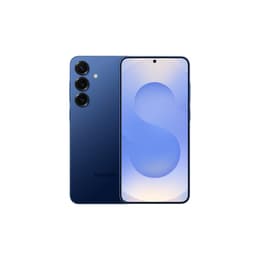
Galaxy S25+
Galaxy S25+
Starting at

Refurbished price:A$922.00

Versus A$1,699.00 new

See options
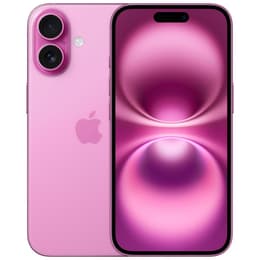
iPhone 16
iPhone 16
Starting at

Refurbished price:A$949.00

Versus A$1,399.00 new

See options

The Samsung Galaxy S25 Plus, released in February 2025, and the Apple iPhone 16, launched in September 2024, represent two distinct approaches to the modern smartphone. While both devices offer premium experiences, they differentiate themselves through their operating systems, display technologies, and camera philosophies. The Galaxy S25 Plus operates on Android with Samsung's One UI, while the iPhone 16 runs on Apple's iOS platform.

Scores

Durability

When considering the long-term usability of these devices, several factors contribute to their expected lifespan, including software support and physical resilience.

  • Release Timeline and Software Support: The iPhone 16 was released in September 2024, typically receiving iOS updates for approximately five to six years from its launch. The Galaxy S25 Plus, released in February 2025, offers a longer commitment with seven years of promised software support, potentially extending its functional lifespan for users who prioritize the latest features and security updates.
  • Physical Durability: Both smartphones carry an IP68 rating for dust and water resistance, indicating protection against submersion. However, the iPhone 16 is rated to withstand depths of up to 6 meters for 30 minutes, while the Galaxy S25 Plus is rated for up to 1.5 meters for the same duration. The iPhone 16 features a Ceramic Shield front cover, which has demonstrated enhanced scratch resistance in tests. The Galaxy S25 Plus utilizes Corning Gorilla Glass Victus 2 on both its front and back, paired with an Armor aluminum frame.
  • Repairability: User reports suggest that the iPhone 16 Plus, which shares design elements with the base iPhone 16, may offer improved repairability due to new internal adhesive designs.

Performance

Both the Galaxy S25 Plus and the iPhone 16 are equipped with advanced internal components designed to deliver smooth and responsive performance across various tasks.

  • Processing Power: The Galaxy S25 Plus is powered by a current-generation processor optimized for its ecosystem, enabling seamless multitasking and efficient handling of demanding applications and games. The iPhone 16 features Apple's A18 chip, which provides robust performance for everyday use, complex computations, and graphics-intensive tasks.
  • Memory and Storage: The Galaxy S25 Plus comes with 12GB of RAM, which contributes to its ability to manage numerous applications simultaneously without slowdowns. The iPhone 16 includes 8GB of RAM, providing ample capacity for smooth operation within the iOS environment. Both devices offer various internal storage options, typically ranging from 128GB to 512GB, though the Galaxy S25 Plus starts at 256GB and does not offer expandable storage.
  • Real-World Responsiveness: Users of the Galaxy S25 Plus often report a very smooth user interface and quick transitions between applications, contributing to a fluid overall experience. The iPhone 16 also delivers consistent and rapid app loading, ensuring a responsive interaction for daily activities and more intensive workloads.

Memory (GB)

12 GB

8 GB

Screen quality

The display is a primary interface for smartphone interaction, and both devices offer high-quality viewing experiences with distinct characteristics.

  • Display Technology and Size: The iPhone 16 features a 6.1-inch Super Retina XDR OLED display, providing vibrant colors and deep blacks. The Galaxy S25 Plus boasts a larger 6.7-inch Dynamic AMOLED 2X display, offering more screen real estate for media consumption and productivity.
  • Resolution and Clarity: The Galaxy S25 Plus offers a higher resolution of 3120x1440 pixels, resulting in a sharper image with a higher pixel density. The iPhone 16 has a resolution of 2556x1179 pixels, delivering clear visuals at approximately 460 pixels per inch.
  • Refresh Rate and Brightness: A notable difference lies in the refresh rate; the Galaxy S25 Plus features an adaptive 120Hz refresh rate, which provides smoother scrolling and more fluid animations. The iPhone 16 maintains a standard 60Hz refresh rate. For brightness, the Galaxy S25 Plus can reach a peak of 2600 nits, offering excellent visibility in bright outdoor conditions, while the iPhone 16 achieves a peak outdoor brightness of 2000 nits.

Audiovisual

Both smartphones are equipped with sophisticated camera systems designed to capture high-quality photos and videos, though they approach imaging with different hardware configurations.

  • Rear Camera Systems: The Galaxy S25 Plus features a versatile triple-camera setup, including a 50-megapixel main sensor, a 12-megapixel ultrawide lens, and a 10-megapixel telephoto lens with 3x optical zoom. The iPhone 16 employs an advanced dual-camera system, comprising a 48-megapixel main sensor that also enables a 2x telephoto equivalent, and a 12-megapixel ultrawide lens.
  • Photography Performance: The Galaxy S25 Plus's dedicated telephoto lens allows for clear zoomed-in shots without digital cropping, and its main camera performs well in various lighting conditions, including low light. The iPhone 16's 48-megapixel main sensor captures detailed images, and its computational photography enhances overall image quality, particularly for everyday scenes.
  • Video Recording and Front Camera: The iPhone 16 is recognized for its class-leading video recording capabilities, offering consistent frame rates and detailed footage. The Galaxy S25 Plus also provides good video stabilization. Both devices feature 12-megapixel front-facing cameras, with the Galaxy S25 Plus's front camera including autofocus for sharper selfies.

Miscellaneous

Beyond core performance and display, several practical features and design elements contribute to the overall user experience of these smartphones.

  • Connectivity and Ports: Both the Galaxy S25 Plus and the iPhone 16 support 5G cellular networks and the latest Wi-Fi 7 standard for fast wireless internet. For short-range wireless connections, the iPhone 16 uses Bluetooth 5.3, while the Galaxy S25 Plus features Bluetooth 5.4. Both devices have adopted the USB-C port for charging and data transfer.
  • Biometrics and User Interface: The Galaxy S25 Plus incorporates an ultrasonic in-screen fingerprint sensor for secure unlocking and authentication. The iPhone 16 relies on Face ID, Apple's facial recognition system. The iPhone 16 also introduces an Action Button, offering customizable shortcuts for various functions.
  • Dimensions and Build Materials: The iPhone 16 measures 147.6 x 71.6 x 7.8 mm and weighs 170 grams, featuring an aluminum frame and a color-infused glass back. The Galaxy S25 Plus is a larger device at 158.4 x 75.8 x 7.3 mm and weighs 190 grams, constructed with an Armor aluminum frame and Gorilla Glass Victus 2 on both sides. The Galaxy S25 Plus is noted for its premium feel and comfortable handling despite its size.

Screen size (in)

6.7

6.1

Network

5G

5G

SIM card

Physical SIM + eSIM

Physical SIM + eSIM

Carrier compatibility

Unlocked

Unlocked

Choosing between the Samsung Galaxy S25 Plus and the iPhone 16 involves weighing their distinct strengths and how they align with individual user preferences. User feedback for the Galaxy S25 Plus frequently highlights its exceptionally smooth performance, vibrant and high-resolution 120Hz display, and the extended software support commitment. Its dedicated telephoto camera and robust battery life are also commonly praised. Some users, however, have noted occasional inconsistencies in camera performance under specific low-light conditions and a perception that some integrated AI features can feel somewhat intrusive.

The iPhone 16 receives commendation for its impressive overall durability, class-leading video recording capabilities, and the consistent, reliable performance characteristic of the iOS ecosystem. Criticisms often center on its 60Hz display, which some users find less fluid compared to higher refresh rate alternatives, and the absence of a dedicated optical telephoto lens.

Users prioritizing a large, high-refresh-rate display for immersive media and gaming, coupled with a longer software update cycle and the flexibility of the Android ecosystem, may find the Galaxy S25 Plus well-suited to their needs. Conversely, individuals who value a more compact form factor, exceptional physical durability, consistent video capture, and the streamlined experience of iOS will likely lean towards the iPhone 16. Both devices represent quality-assured options, and considering a refurbished model can be an eco-friendly alternative for either choice.
See all articles

Our recent comparisons