
Compare models
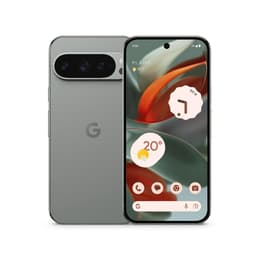
Galaxy S25 Ultra vs Google Pixel 9 Pro
- 1-year warranty
- Free standard shipping
- Free 30-day returns
Differences at a glance
The Samsung Galaxy S25 Ultra (2025) and the Google Pixel 9 Pro (2024) are flagship Android smartphones designed for users seeking top-tier mobile capabilities in larger-format or compact-pro form factors. While both devices run on the Android operating system and target premium consumer segments, they differ notably in screen size, form factor design philosophy, and processing architecture. Understanding these practical differences helps users choose the device that best aligns with their daily routines.
Available Models
Colour
Storage
Scores
Durability
Both smartphones are built to remain relevant for years, though their update timelines and physical durability profiles vary slightly based on their manufacturing release schedules and design builds.
- Software support lifecycle: Both manufacturers provide extensive multi-year software and security update commitments, ensuring long-term system stability and safety for users who keep their devices for several years.
- Build durability: The Samsung model features a titanium frame paired with scratch-resistant glass armor, whereas the Google model utilizes a polished metal frame with durable glass panels designed to withstand everyday wear and tear.
- Repair accessibility: Both devices benefit from expanding authorized repair networks and structured service options, making quality-assured refurbished options an eco-friendly alternative that extends device life spans sustainably.
Release year
2025
2024
Operating system
Android
Android
Foldable
No
No
Performance
Performance capabilities across both models handle intensive multitasking, demanding applications, and daily navigation smoothly, though they approach hardware efficiency through different processors and memory configurations.
- App loading and multitasking: Both devices manage heavy application switching, split-screen workflows, and resource-heavy mobile games fluidly without noticeable stuttering or lag.
- Battery behavior: Typical daily usage easily spans a full day of mixed browsing, messaging, and media streaming on both models, though larger battery capacity variants handle extended heavy screen-on time with greater endurance.
- Storage capacity: Both options offer multiple storage tiers starting from standard capacities up to expansive room for offline media files, high-resolution photos, and large document caches.
Screen quality
Viewing experiences on these flagship displays deliver sharp details, rich contrast, and high refresh rates, though they cater to different physical handling preferences.
- Display technology: Both devices employ advanced OLED panel technology, providing deep blacks, vivid color reproduction, and wide viewing angles for immersive media consumption.
- Outdoor legibility: High peak brightness levels on both screens ensure content remains clearly readable even under direct sunlight or bright outdoor lighting conditions.
- Refresh rate and size: The Samsung model offers a sprawling 6.9-inch viewing space, whereas the Google model provides a more compact 6.3-inch footprint, with both supporting dynamic 120Hz refresh rates for fluid scrolling and animations.
Resolution
1440x3120
1280x2856
Audiovisual
Imaging hardware and software integration across both smartphones deliver versatile photography options for everyday snapshots, low-light environments, and high-resolution video recording.
- Camera versatility: Both systems feature multi-lens configurations including main, ultra-wide, and dedicated optical zoom telephoto lenses that capture crisp details across varying distances.
- Low-light performance: Advanced sensor processing helps both devices pull in adequate light and reduce noise during evening or indoor photography sessions.
- Audio and video output: Built-in stereo speakers provide clear media playback, while multi-microphone arrays capture clean audio during video recording and voice calls.
Miscellaneous
Practical day-to-day usability elements, connectivity features, and physical handling traits shape how these devices fit into varied user lifestyles.
- Connectivity standards: Both models support current-generation 5G cellular networks, high-speed Wi-Fi standards, and modern Bluetooth protocols for reliable accessories pairing.
- Authentication and security: Fast biometric security features include responsive under-display fingerprint scanners and secure facial recognition capabilities.
- Physical dimensions: The Samsung model incorporates an integrated stylus within a larger, boxier frame weighing around 218 grams, while the Google model features rounded corners in a lighter, more pocket-friendly 199-gram body.
Weight
218 oz
199 oz
Screen size (in)
6.9
6.3
Network
5G
5G
SIM card
Physical SIM + eSIM
Physical SIM + eSIM
Carrier compatibility
Unlocked
Unlocked
What the community thinks
Community discussions and user feedback indicate that the Samsung Galaxy S25 Ultra is widely praised for its expansive display workspace, integrated stylus utility, and reliable zoom photography capabilities, though some users note that its larger physical footprint can feel heavy during one-handed use. Conversely, the Google Pixel 9 Pro receives frequent praise for its natural photo color science, streamlined software interface, and more manageable pocket size, though heavy users occasionally mention that sustained intense gaming causes noticeable device warming.
Users prioritizing maximum screen estate, productivity note-taking tools, and extensive zoom flexibility may prefer the Samsung Galaxy S25 Ultra, while users prioritizing compact handling, streamlined software aesthetics, and natural daily photography will lean toward the Google Pixel 9 Pro. Choosing either device as a quality-assured refurbished option provides a practical way to access flagship performance while supporting sustainable technology choices.