
Motorola Edge 50 Fusion vs Oppo Find X5 Pro 5G

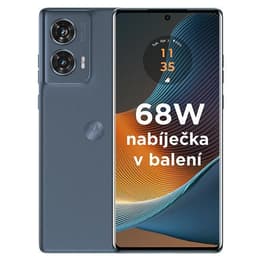
Motorola Edge 50 Fusion
See options
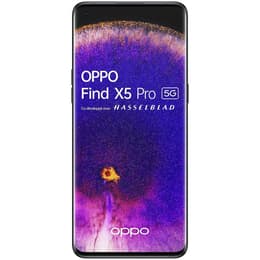
Oppo Find X5 Pro 5G
Oppo Find X5 Pro 5G
Starting at

Refurbished price:A$461.00

Versus A$2,708.00 new

See options

The Motorola Edge 50 Fusion and the Oppo Find X5 Pro 5G are distinct smartphones, each offering a unique set of features and targeting different user expectations. The Motorola Edge 50 Fusion, released in April 2024, presents a more recent option with a focus on a smooth display and a balanced user experience. The Oppo Find X5 Pro 5G, launched earlier in February 2022, was positioned as a flagship device with advanced camera capabilities and a premium build. While both run on the Android operating system, their release timelines and hardware choices lead to notable differences in performance, software longevity, and overall user appeal.

Scores

Durability

The practical lifespan of a smartphone is significantly influenced by its release date and the manufacturer's commitment to software updates. These two devices present different scenarios in this regard.

  • Release Timeline and Software Support: The Motorola Edge 50 Fusion, being a 2024 release, benefits from a more current software starting point (Android 14) and is expected to receive major Android updates up to Android 17, along with four years of security updates. In contrast, the Oppo Find X5 Pro 5G, released in early 2022 with Android 12, has already received several major updates and is expected to receive updates up to Android 16, with security patches likely ending around early 2026. This means the Motorola device offers a longer period of guaranteed software support from the current date.
  • Durability Features: Both devices feature IP68 ratings for dust and water resistance, indicating a good level of protection against environmental elements. The Motorola Edge 50 Fusion incorporates Corning Gorilla Glass 5 for screen protection, while the Oppo Find X5 Pro 5G uses the more advanced Corning Gorilla Glass Victus. User reports for the Motorola Edge 50 Fusion indicate some concerns about screen fragility in certain drop scenarios.
  • Expected Practical Lifespan: For users prioritizing the latest software features and extended security, the Motorola Edge 50 Fusion offers a longer runway. The Oppo Find X5 Pro 5G, while still a capable device, is nearing the end of its official software support cycle, which might influence its practical longevity for some users.

Release year

2024

2022

Operating system

Android

Android

Foldable

No

No

Performance

The performance of these two smartphones varies due to their different internal components and release generations, impacting how they handle demanding applications and multitasking.

  • Processor Capabilities: The Oppo Find X5 Pro 5G is equipped with a processor that was a flagship-tier component at its 2022 release, designed for high-end performance, including intensive gaming and complex computational tasks. The Motorola Edge 50 Fusion, released in 2024, features a current-generation processor that provides smooth operation for everyday applications, browsing, streaming, and light gaming. While the Motorola device handles multitasking smoothly, some users have noted that its processor, while respectable, may not match the raw power of higher-tier chipsets for the most demanding applications.
  • System Responsiveness and Multitasking: The Oppo Find X5 Pro 5G, with its powerful processor and ample RAM options (up to 12GB), delivers a highly responsive user experience, capable of managing numerous applications simultaneously without noticeable slowdowns. The Motorola Edge 50 Fusion also offers up to 12GB of RAM, contributing to efficient multitasking and a fluid interface for typical usage.
  • Storage Options: Both devices offer various storage configurations, with the Oppo Find X5 Pro 5G typically starting at 256GB and going up to 512GB, while the Motorola Edge 50 Fusion offers options from 128GB to 512GB. Neither device supports expandable storage via microSD.

Memory (GB)

12 GB

12 GB

Screen quality

The display is a primary interaction point for users, and both the Motorola Edge 50 Fusion and the Oppo Find X5 Pro 5G offer high-quality viewing experiences with distinct characteristics.

  • Display Technology and Resolution: The Motorola Edge 50 Fusion features a 6.7-inch pOLED display with Full HD+ resolution (2400 x 1080 pixels), providing vibrant colors and deep blacks. The Oppo Find X5 Pro 5G boasts a 6.7-inch LTPO2 AMOLED display with a higher QHD+ resolution (3216 x 1440 pixels), offering exceptional sharpness and detail.
  • Refresh Rate and Brightness: The Motorola Edge 50 Fusion offers a high 144Hz refresh rate, contributing to very smooth scrolling and animations. It also achieves a peak brightness of 1600 nits, ensuring good visibility in various lighting conditions. The Oppo Find X5 Pro 5G features a dynamic 120Hz refresh rate, which also provides a fluid experience and can adapt to content for power efficiency. Its peak brightness reaches 1300 nits.
  • Viewing Experience: The higher resolution of the Oppo Find X5 Pro 5G provides a more detailed visual experience, particularly noticeable with high-definition content. The Motorola Edge 50 Fusion's higher refresh rate offers a slightly smoother interaction, which can be beneficial for fast-paced content or general navigation. Both displays are curved, contributing to an immersive viewing experience.

Resolution

1080 x 2400

1440 x3216

Audiovisual

Camera capabilities are a significant factor for many smartphone users, and both devices offer competent systems with different strengths.

  • Rear Camera Systems: The Motorola Edge 50 Fusion features a dual-camera setup with a 50MP main sensor (with OIS) and a 13MP ultrawide lens that also functions for macro photography. The Oppo Find X5 Pro 5G offers a more versatile triple-camera system, including a 50MP main sensor (with OIS), a 50MP ultrawide sensor, and a 13MP telephoto lens with 2x optical zoom. The Oppo device also incorporates a dedicated imaging NPU (MariSilicon X) for enhanced image processing.
  • Photography Performance: The Oppo Find X5 Pro 5G is noted for its strong main and ultrawide camera performance, particularly in low-light conditions and for capturing true-to-life colors, partly due to its collaboration with Hasselblad. However, some user feedback indicates that its telephoto camera's performance, especially in low light or for zoomed shots, can be inconsistent. The Motorola Edge 50 Fusion's 50MP main camera with OIS is capable of producing clear and stable photos and videos, with its ultrawide lens also offering macro capabilities.
  • Video Recording and Front Camera: Both phones support 4K video recording at 30 frames per second. For selfies, both devices are equipped with a 32MP front-facing camera.
  • Audio Experience: The Motorola Edge 50 Fusion includes a stereo speaker system with Dolby Atmos support for an immersive audio experience. The Oppo Find X5 Pro 5G also features dual stereo speakers.

Miscellaneous

Beyond core specifications, several practical elements contribute to the overall user experience and differentiate these two smartphones.

  • Connectivity and Ports: Both devices support 5G connectivity, Wi-Fi 6, and Bluetooth. They both utilize a USB-C port for charging and data transfer, and neither includes a traditional 3.5mm headphone jack.
  • Biometric Security: For secure unlocking, both the Motorola Edge 50 Fusion and the Oppo Find X5 Pro 5G feature in-display fingerprint sensors.
  • Design and Handling: The Motorola Edge 50 Fusion is notably lighter and thinner, measuring around 7.9mm in thickness and weighing approximately 177 grams, making it comfortable for one-handed use and carrying. It often features vegan leather finishes. The Oppo Find X5 Pro 5G has a more substantial feel, with dimensions of 8.5mm thickness and a weight of 218 grams, partly due to its ceramic back, which offers a unique and premium tactile experience.
  • Additional Features: The Oppo Find X5 Pro 5G supports wireless charging and reverse wireless charging, features not typically found on the Motorola Edge 50 Fusion. The Motorola device, however, offers Motorola's 'My UX' software enhancements, including gesture controls.

Weight

175 oz

218 oz

Screen size (in)

6.7

6,7

Network

5G

5G

SIM card

Dual Physical SIM

Physical SIM + eSIM

Carrier compatibility

Unlocked

Unlocked

The Motorola Edge 50 Fusion and the Oppo Find X5 Pro 5G cater to different priorities, reflecting their respective market positions and release timelines. User feedback for the Motorola Edge 50 Fusion often praises its smooth display, comfortable design, and reliable battery life for general use. Some users have noted concerns regarding software updates and occasional performance lags in the control center after updates. The Oppo Find X5 Pro 5G is frequently lauded for its exceptional display quality, fast charging capabilities, and strong main and ultrawide camera performance. Criticisms often point to inconsistent telephoto camera performance and the device nearing the end of its software support cycle.

Users prioritizing a device with a longer software support window and a lightweight, ergonomic design for everyday tasks and media consumption may find the Motorola Edge 50 Fusion well-suited to their needs. Its high refresh rate display and balanced performance make it a solid choice for general use. Conversely, users who value a top-tier display resolution, advanced camera processing (especially for main and ultrawide shots), and faster charging speeds might lean towards the Oppo Find X5 Pro 5G. Its premium build and powerful processor, while from an earlier generation, still offer a robust experience for demanding applications.

For those considering either of these models, exploring quality-assured refurbished options can provide an eco-friendly alternative, extending the life cycle of these devices and offering a sustainable choice.


See all articles

Our recent comparisons