
Compare models
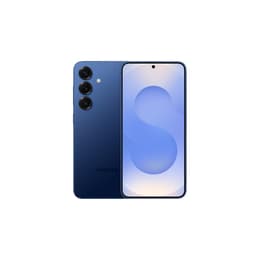
Galaxy A56 vs Galaxy S25
- 1-year warranty
- Free standard shipping
- Free 30-day returns
Differences at a glance
The Samsung Galaxy A56 (2025) and the Samsung Galaxy S25 (2025) are both Android smartphones that serve different tiers of the mobile market. While the Galaxy S25 operates as a compact flagship device focused on high-end features, the Galaxy A56 positions itself as a capable option within the brand's mid-range lineup. Both run on the Android operating system with Samsung's user interface overlay, yet they cater to distinct consumer expectations regarding daily functionality and engineering focus.
Available Models
Colour
Storage
Scores
Durability
When examining longevity and physical durability, both smartphones feature long-term software support commitments and modern construction materials designed to withstand daily wear. Users looking for a sustainable, quality-assured refurbished option will find both models maintain robust longevity profiles.
- Software Support: Both devices receive multi-year operating system upgrades and security patches, helping maintain software relevance over an extended ownership period.
- Repairability and Build: The Galaxy S25 utilizes armor aluminum and high-durability glass, whereas the Galaxy A56 employs a balanced combination of glass and sturdy frame materials suited for routine handling.
- Expected Lifespan: Both models offer strong battery management systems that preserve cell health over years of regular charging cycles.
Release year
2025
2025
Operating system
Android
Android
Foldable
No
No
Performance
Performance capabilities differ significantly based on the internal hardware tier, influencing how each device manages demanding applications and background multitasking. Storage capacities vary between base configurations, affecting local file management.
- Multitasking and Speed: The Galaxy S25 handles graphics-heavy gaming and rapid app switching effortlessly, while the Galaxy A56 provides smooth, reliable execution for standard messaging, streaming, and productivity tasks.
- Battery Behavior: The Galaxy A56 includes a larger battery capacity that easily sustains a full day of mixed use, whereas the more compact Galaxy S25 relies on advanced power efficiency to manage its smaller energy reservoir through daily routines.
- Memory Allocation: The Galaxy S25 comes equipped with higher baseline RAM to support intensive background processes, complementing the efficient memory handling found on the Galaxy A56.
Screen quality
Display characteristics vary between the two models in terms of physical footprint, peak brightness, and panel technology, directly impacting outdoor visibility and media consumption.
- Display Technology: Both devices utilize vibrant OLED panels that deliver deep contrast levels and rich color reproduction for videos and photos.
- Refresh Rate and Smoothness: Both models support a smooth 120 Hz refresh rate, ensuring fluid scrolling through web pages and menus.
- Viewing Area and Brightness: The Galaxy A56 offers a larger screen size suited for media enthusiasts, while the Galaxy S25 provides a more compact form factor with high peak brightness levels for clear outdoor readability.
Resolution
1080 x 2340
1080x2340
Audiovisual
Optics and media output capabilities reflect each phone's intended category, balancing versatile multi-lens arrays with distinct processing strengths for photography and audio.
- Camera System: Both phones feature multi-lens rear setups anchored by high-resolution primary sensors, alongside dedicated ultra-wide options for landscape captures.
- Low-Light and Video: The Galaxy S25 leverages advanced image processing for crisp low-light photos and steady video recording, while the Galaxy A56 delivers reliable everyday snapshots and clear video quality for social sharing.
- Audio and Calls: Built-in stereo speakers on both models offer balanced sound output for hands-free calls and casual media streaming.
Miscellaneous
Practical daily features such as connectivity standards, physical dimensions, and security sensors shape the ergonomic experience of each smartphone.
- Connectivity and Ports: Both models support current 5G networks, modern Wi-Fi standards, and Bluetooth pairing via a reversible USB-C charging port.
- Security Sensors: Each device integrates a responsive in-display fingerprint scanner alongside secure facial recognition software for quick unlocking.
- Handling and Weight: The Galaxy S25 features a noticeably lighter and slimmer profile for effortless one-handed use, whereas the Galaxy A56 has a slightly larger footprint that accommodates its bigger screen.
Weight
200 oz
162 oz
Screen size (in)
6.7
6.2
Network
4G
5G
SIM card
Physical SIM + eSIM
Physical SIM + eSIM
Carrier compatibility
Unlocked
Unlocked
What the community thinks
Consumer feedback highlights distinct preferences for each device based on real-world usage patterns. Users frequently praise the Galaxy S25 for its compact form factor, rapid processing speeds, and advanced camera reliability in varied lighting conditions. At the same time, community discussions note appreciation for the Galaxy A56 due to its generous screen size, dependable everyday battery longevity, and balanced feature set.
Users prioritizing a compact build, top-tier processing headroom, and sophisticated photography tools may prefer the Galaxy S25. Conversely, users prioritizing a larger viewing area, extended daily battery endurance, and a practical feature set will find the Galaxy A56 well-suited to their needs. Eco-conscious buyers can also explore quality-assured refurbished choices as a sustainable alternative that reduces electronic waste without compromising on performance. Ultimately, selecting the right model depends on which daily tasks and physical dimensions align best with individual routines.