
Compare models

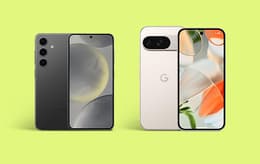
Galaxy S25 FE vs Google Pixel 10

  • 1-year warranty
  • Free standard shipping
  • Free 30-day returns
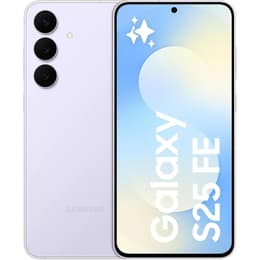
Galaxy S25 FE
Starting at

Refurbished price:A$699.00

Versus A$1,199.00 new

See options
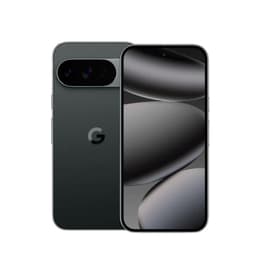
Google Pixel 10
Starting at

Refurbished price:A$944.00

Versus A$1,349.00 new

See options

Differences at a glance

The Samsung Galaxy S25 FE and the Google Pixel 10 represent two prominent approaches to modern smartphone design, both launching in late 2025. While both devices run on the Android operating system, they approach daily computing through distinct hardware ecosystems and software interfaces. Choosing between them depends on how you value screen estate, camera functionality, and day-to-day software navigation.

Available Models

Colour

Storage (GB)

Scores

Durability

Both smartphones launched in late 2025, placing them on similar generational footing regarding software support timelines and hardware endurance expectations.

  • Software Lifespan: Both models receive extended multi-year security updates, ensuring long-term operational relevance and feature compatibility.
  • Build Integrity: The Samsung model relies on reinforced aluminum and durable glass protection, while the Google device features a similarly robust frame designed to withstand everyday wear.
  • Repair Ecosystem: Standardized internal components make professional repairs straightforward, supporting sustainable device usage over extended ownership cycles.

Release year

2025

2025

Operating system

Android

Android

Foldable

No

No

Performance

Daily responsiveness varies based on how each device allocates its internal processing resources and memory configurations for multitasking.

  • App Loading and Multitasking: Both models handle heavy applications and split-screen workflows smoothly, though memory allocations differ between the choices.
  • Battery Endurance: Each phone includes a high-capacity battery designed to last a full day of standard use, supported by efficient power management routines.
  • Storage Configurations: Multiple internal storage tiers accommodate large media libraries and application data, though neither option supports expandable memory cards.

Screen quality

Display characteristics differ significantly in physical dimensions and panel technology, affecting media consumption and outdoor visibility.

  • Panel Technology: The Samsung model features a larger 6.7-inch Dynamic AMOLED panel, whereas the Google device utilizes a more compact 6.3-inch display.
  • Refresh Rates: Both panels support high refresh rates up to 120Hz, delivering smooth scrolling through web pages and fluid animation transitions.
  • Outdoor Visibility: High peak brightness levels ensure text and images remain legible under direct sunlight conditions.

Resolution

1080x2340

1080x2424

Audiovisual

Imaging hardware and computational processing shape how each device handles everyday photography and video recording tasks.

  • Lens Array: The Samsung model pairs a high-resolution main sensor with ultra-wide and telephoto options, while the Google counterpart relies on a dual or triple lens configuration optimized for computational photography.
  • Low-Light Capture: Advanced sensor sensitivity and processing algorithms reduce noise in dimly lit environments.
  • Video Output: Both devices capture steady video footage at high resolutions with clear audio recording capabilities via built-in microphone arrays.

Miscellaneous

Physical dimensions and connectivity standards define the practical handling characteristics of each smartphone.

  • Dimensions and Weight: The Samsung model offers a wider canvas with a slim profile, whereas the Google device provides a more compact footprint that rests easily in one hand.
  • Connectivity: Both models feature modern 5G cellular capabilities, Wi-Fi standards, and Bluetooth support for wireless accessories.
  • Biometric Security: In-display fingerprint sensors and facial recognition provide secure, fast device unlocking.

Weight

190 oz

204 oz

Screen size (in)

6.7

6.3

Network

5G

5G

SIM card

Physical SIM + eSIM

Physical SIM + eSIM

Carrier compatibility

Unlocked

Unlocked

What the community thinks

User feedback on community forums highlights distinct preferences for each device based on everyday usage habits. Owners of the Samsung model frequently praise its expansive display size and smooth multimedia experience, while noting that its wider body requires two-handed use for comfort. Conversely, users of the Google device highlight its compact ergonomics and reliable snapshot photography, though some mention that storage management requires attention due to the lack of expandable slots. Choosing between them depends on your preferred physical scale and software preferences. Users prioritizing a larger workspace for media consumption and multitasking may prefer the Samsung model, while users seeking a compact form factor with streamlined photo capture tools will find the Google option well-suited to their routine. Exploring quality-assured refurbished options provides a sustainable choice that extends device lifecycles while making advanced mobile technology accessible.