Compare models
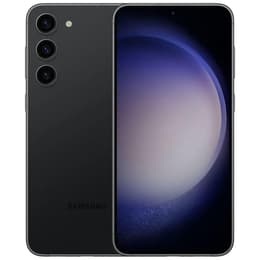
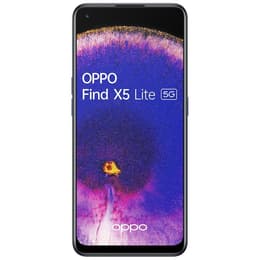
Galaxy S23+ vs Oppo Find X5 Lite
- 1-year warranty
- Free standard shipping
- Free 30-day returns
Differences at a glance
The Samsung Galaxy S23+ (2023) and the Oppo Find X5 Lite (2022) are Android smartphones designed for distinct tiers of mobile users. While both devices support everyday connectivity and media consumption, the Galaxy S23+ positions itself as a higher-tier flagship offering refined processing power and build materials, whereas the Oppo Find X5 Lite focuses on delivering core smartphone functionality in a lighter format. Both devices run the Android operating system paired with their respective manufacturer interfaces, providing access to contemporary mobile applications.
Available Models
Colour
Storage
Scores
Durability
Lifespan expectations differ based on each device's release year and support schedule, influencing how long each phone will remain current for daily tasks.
- Release timeline: The Oppo Find X5 Lite launched in early 2022, while the Galaxy S23+ debuted in early 2023, giving the Samsung model a one-year advantage in hardware age.
- Software support: The Galaxy S23+ benefits from an extended commitment to major operating system updates, whereas the Oppo Find X5 Lite follows a shorter lifecycle schedule.
- Expected practical lifespan: Users selecting the quality-assured refurbished option of the Galaxy S23+ from Back Market can generally expect prolonged software relevance compared to the older Oppo model.
Release year
2023
2022
Compatible with latest Update
Yes
No
Operating system
Android
Android
Foldable
No
No
Performance
Underneath the exterior, these devices utilize different hardware configurations that dictate how smoothly they handle multitasking, gaming, and daily applications.
- Everyday responsiveness: The Galaxy S23+ handles demanding applications, heavy multitasking, and modern gaming smoothly thanks to its current-generation processor. The Oppo Find X5 Lite manages routine tasks like web browsing, messaging, and media streaming reliably with its mid-range processor.
- Memory and storage: Both models commonly feature generous internal storage capacities, though the Samsung device pairs its storage with faster memory technology for quicker file transfers and app loading times.
- Battery behavior: The Galaxy S23+ includes a larger battery capacity designed to sustain a full day of mixed use, while the Oppo Find X5 Lite relies on a slightly smaller power cell paired with fast-charging technology to replenish energy quickly during the day.
Screen quality
Display configurations on both smartphones utilize contrasting panel technologies that affect visual clarity, brightness, and motion smoothness.
- Display technology: The Galaxy S23+ features a vibrant Dynamic AMOLED panel with deep contrast and rich colors, while the Oppo Find X5 Lite utilizes a standard AMOLED screen suitable for daily viewing.
- Refresh rate and smoothness: The Galaxy S23+ supports a higher peak refresh rate for fluid scrolling and animations, whereas the Oppo Find X5 Lite operates at a slightly lower maximum refresh rate.
- Outdoor visibility: The Galaxy S23+ reaches higher peak brightness levels, making it easier to read content clearly under direct sunlight compared to the Oppo model.
Resolution
1080 x 2340
1080 x 2400
Screen type
Dynamic AMOLED 2X
AMOLED
Audiovisual
Imaging hardware and audio-visual output vary between the two models, catering to different photography habits and media consumption preferences.
- Camera systems: The Galaxy S23+ equips a versatile triple-lens setup including a dedicated optical zoom lens for distant subjects. The Oppo Find X5 Lite relies on a primary high-resolution sensor accompanied by an ultra-wide lens and a macro sensor without optical zoom capabilities.
- Low-light and video: The Galaxy S23+ incorporates advanced image processing for clearer low-light photography and stable high-resolution video recording, while the Oppo model performs adequately in standard daylight conditions.
- Media consumption: Both devices feature stereo sound configurations for calls and casual video playback, though the Samsung model provides a more robust audio output for external listening.
Main camera
50 megapixels
64 megapixels
Front camera
12 megapixels
32 megapixels
Miscellaneous
Physical dimensions, build materials, and connectivity standards dictate how each device feels during daily handling and use.
- Build and durability: The Galaxy S23+ utilizes durable glass protection panels and an aluminum frame carrying a high water-resistance rating. The Oppo Find X5 Lite features a lighter plastic frame construction with a slimmer profile.
- Port and connectivity: Both smartphones support modern 5G networks, Wi-Fi standards, and Bluetooth connectivity, utilizing USB Type-C ports for charging and data synchronization.
- Biometrics: Both models incorporate secure biometric authentication through under-display fingerprint sensors for quick unlocking.
Weight
196 oz
173 oz
Screen size (in)
6.6
6,43
Network
5G
5G
SIM card
Physical SIM + eSIM
Physical SIM
Carrier compatibility
Unlocked
Unlocked
What the community thinks
User feedback from online communities highlights distinct preferences for each device based on everyday requirements. Owners of the Galaxy S23+ frequently praise its reliable battery longevity, bright display, and robust processing capabilities for gaming and multitasking. Conversely, users of the Oppo Find X5 Lite often appreciate its lightweight form factor and rapid charging speeds for daily convenience, though some note limitations in intensive gaming performance and long-term software updates compared to newer flagships.
Users prioritizing advanced processing power, higher-tier display brightness, and extended software updates may prefer the Galaxy S23+. Meanwhile, users prioritizing a lighter physical build and straightforward everyday functionality may lean toward the Oppo Find X5 Lite. Choosing a quality-assured refurbished model from Back Market offers an eco-friendly way to access these features while supporting sustainable technology consumption. Weighing these practical differences against personal usage habits will guide your final decision without any single device serving as a universal choice.