

Compare models

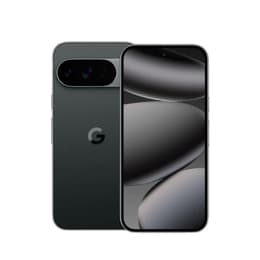
Google Pixel 10 vs Google Pixel 8 Pro

  • 1-year warranty
  • Free standard shipping
  • Free 30-day returns
Google Pixel 10
Starting at

Refurbished price:A$820.00

Versus A$1,349.00 new

See options
Google Pixel 8 Pro
Starting at

Refurbished price:A$477.00

Versus A$1,859.00 new

See options

Differences at a glance

The Google Pixel 10 (2025) and the Google Pixel 8 Pro (2023) represent different generations of Google's smartphone lineup, contrasting a newer standard model with a slightly older professional-grade variant. While they share the Android operating ecosystem, they differ significantly in form factor, processing generations, and specialized hardware features. This comparison examines their practical capabilities to help you determine which device aligns with your daily routine.

Available Models

Colour

Storage

Scores

Durability

Both devices benefit from long-term manufacturer software support, though their release timelines and hardware longevity differ in practical use.

  • Release timeline and OS support: The Pixel 8 Pro launched in late 2023 with a commitment to seven years of full software updates, while the Pixel 10 arrived in mid-2025 running newer software out of the box and extending support further into the future.
  • Repairability and durability: Both models feature robust water resistance ratings and durable glass displays, though users looking at a quality-assured refurbished option can find reliable longevity through professional restoration processes.
  • Expected lifespan: The Pixel 10 benefits from newer internal components ensuring prolonged responsiveness, whereas the Pixel 8 Pro maintains its software update schedule well into the decade.

Release year

2025

2023

Foldable

No

No

Performance

Handling daily operations, multitasking, and system fluidity varies between these two smartphone generations.

  • Processor capabilities: The Pixel 10 utilizes a newer generation processor that handles demanding applications, background tasks, and intensive multitasking with increased thermal efficiency compared to the Pixel 8 Pro's older hardware.
  • RAM and system responsiveness: Both devices feature ample memory to keep multiple apps open simultaneously, but the newer architecture on the Pixel 10 offers smoother transitions during heavy usage.
  • Storage and battery behavior: Storage configurations range across both lineups, while battery management on the Pixel 10 benefits from improved power efficiency to maintain stable operation throughout a busy day.

Screen quality

Display characteristics differ in physical dimensions and panel technology, impacting media viewing and outdoor visibility.

  • Display technology and size: The Pixel 8 Pro features a larger 6.7-inch high-resolution screen, whereas the Pixel 10 offers a more compact 6.3-inch display suited for one-handed handling.
  • Brightness and outdoor clarity: Both models deliver high peak brightness levels and crisp resolutions, ensuring content remains legible under direct sunlight.
  • Refresh rate and smoothness: Adaptive refresh rates up to 120Hz on both devices provide fluid scrolling and responsive touch interactions during browsing and gaming.

Resolution

1080x2424

1344 x 2992

Screen type

OLED

LTPO OLED

Audiovisual

Photography and media capture setups reflect distinct design priorities between the standard and professional tiers.

  • Camera system versatility: The Pixel 8 Pro includes a dedicated high-resolution telephoto lens for long-range optical zoom, while the Pixel 10 balances a streamlined multi-lens setup focused on everyday versatility.
  • Low-light and video performance: Both smartphones leverage advanced computational photography tools for clear night images and stable video recording.
  • Media consumption: Stereo speakers and microphone arrays on both devices deliver clear audio output for voice calls and video playback.

Miscellaneous

Physical handling and connectivity features shape the day-to-day user experience of each device.

  • Build and dimensions: The Pixel 8 Pro has a larger, heavier footprint due to its screen size, while the Pixel 10 provides a lighter, more compact body that is easier to carry.
  • Connectivity and standards: Both smartphones support modern 5G networks, fast Wi-Fi standards, and secure facial recognition or fingerprint sensors.
  • Accessories and ports: USB-C ports handle charging and data transfer across both models, with newer iterations introducing improved magnetic accessory compatibility.

Weight

204 oz

213 oz

Screen size (in)

6.3

6.7

Network

5G

5G

SIM card

Physical SIM + eSIM

Physical SIM + eSIM

Carrier compatibility

Unlocked

Unlocked

What the community thinks

Users evaluating these models often praise the Pixel 8 Pro for its expansive screen real estate, dedicated zoom capabilities, and premium professional feature set. At the same time, actual users frequently highlight the Pixel 10 for its comfortable, compact handling, modern processor efficiency, and extended software runway. Users prioritizing a larger display and dedicated telephoto reach may prefer the Pixel 8 Pro, while users prioritizing a lighter form factor and newer internal components will lean toward the Pixel 10. For those seeking a sustainable choice, exploring a quality-assured refurbished option provides a reliable path to owning either device.