
Compare models

Galaxy S25 Ultra vs Google Pixel 10

  • 1-year warranty
  • Free standard shipping
  • Free 30-day returns
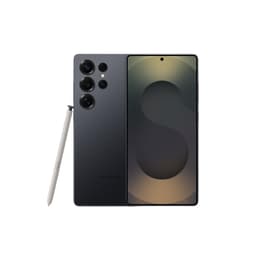
Galaxy S25 Ultra
Starting at

Refurbished price:A$1,039.00

Versus A$2,149.00 new

See options
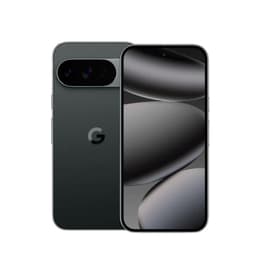
Google Pixel 10
Starting at

Refurbished price:A$944.00

Versus A$1,349.00 new

See options

Differences at a glance

The Samsung Galaxy S25 Ultra (2025) and the Google Pixel 10 (2025) are high-end smartphones designed for distinct user preferences within the Android ecosystem. While the Galaxy S25 Ultra serves as a feature-rich productivity powerhouse with an integrated stylus and expansive display, the Google Pixel 10 offers a streamlined, software-centric experience emphasizing day-to-day usability.

Both models run on the Android operating system, though they implement different software interfaces and update frameworks tailored to their respective hardware ecosystems.

Available Models

Colour

Storage (GB)

Scores

Durability

When evaluating the long-term viability of these devices, both manufacturers offer robust software longevity frameworks and durable physical designs suited for extended daily use.

  • Software Support: Both devices benefit from extensive multi-year operating system update commitments, ensuring up-to-date security patches and feature upgrades well into the future.
  • Build Durability: The Galaxy S25 Ultra utilizes scratch-resistant glass and a sturdy metal frame, while the Pixel 10 features modern protective glass and high-grade aluminum construction for everyday resilience.
  • Repairability: Both models align with industry standards for modular component replacement, making it straightforward for authorized service centers to handle routine hardware maintenance.

Release year

2025

2025

Operating system

Android

Android

Foldable

No

No

Performance

System responsiveness and day-to-day efficiency vary based on internal hardware configuration and resource management, impacting everything from app switching to mobile gaming.

  • App Loading and Multitasking: Both devices handle heavy applications, rapid switching between open programs, and demanding games smoothly without noticeable lag or stutter.
  • Battery Behavior: The Galaxy S25 Ultra incorporates a high-capacity battery designed to sustain long work sessions, whereas the Pixel 10 relies on software-level power optimization to maintain consistent daily operation.
  • Storage Configurations: Both smartphones offer multiple internal storage tiers to accommodate large media libraries, offline documents, and extensive photo collections.

Screen quality

Display characteristics shape media consumption, reading comfort, and outdoor visibility across different lighting environments.

  • Display Technology: Both models utilize advanced OLED panels that deliver deep black levels, high contrast ratios, and vivid color reproduction for everyday viewing.
  • Brightness and Outdoors: High peak brightness levels on both screens ensure legibility under direct sunlight, reducing glare during outdoor use.
  • Refresh Rate: Both devices support rapid refresh rates that enable smooth scrolling through web pages, feeds, and user interface menus.

Resolution

1440x3120

1080x2424

Audiovisual

Imaging hardware and audio output capabilities dictate how each device handles photography, video capture, and media playback.

  • Camera Systems: The Galaxy S25 Ultra features a versatile multi-lens array including an ultra-wide sensor and dedicated telephoto options for distant subjects, while the Pixel 10 employs a streamlined multi-camera setup optimized for rapid point-and-shoot photography.
  • Video and Audio: Both smartphones record high-definition video with steady stabilization and provide clear audio output through stereo speaker configurations for calls and media streaming.

Miscellaneous

Physical dimensions and connectivity standards influence everyday handling, accessory compatibility, and network performance.

  • Connectivity: Both models support modern 5G networks, fast Wi-Fi standards, and Bluetooth protocols for reliable wireless accessory pairing.
  • Physical Handling: The Galaxy S25 Ultra offers a larger form factor with squared corners and integrated stylus storage, whereas the Pixel 10 provides a more compact, rounded footprint that rests easily in one hand.
  • Authentication: Both devices feature secure biometric unlocking methods, combining facial recognition with responsive fingerprint sensors embedded directly into the display.

Weight

218 oz

204 oz

Screen size (in)

6.9

6.3

Network

5G

5G

SIM card

Physical SIM + eSIM

Physical SIM + eSIM

Carrier compatibility

Unlocked

Unlocked

What the community thinks

Choosing between the Samsung Galaxy S25 Ultra and the Google Pixel 10 depends heavily on individual workflow priorities and physical size preferences. Users who favor an expansive workspace, multi-lens versatility, and built-in productivity tools will find the Galaxy S25 Ultra well-suited to their needs. Conversely, users who prioritize a compact form factor, straightforward daily operation, and clean software styling will lean toward the Google Pixel 10.

For consumers seeking an eco-friendly, quality-assured alternative, exploring a refurbished option through Back Market provides a sustainable path to acquiring either device without compromising on functional integrity.