
Google Pixel 9 Pro Fold vs iPhone 16 Pro Max

Google Pixel 9 Pro Fold
See options
iPhone 16 Pro Max
iPhone 16 Pro Max
Starting at

Refurbished price:A$1,309.00

Versus A$2,149.00 new

See options

Ratings

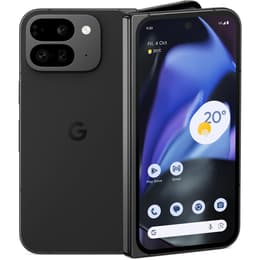
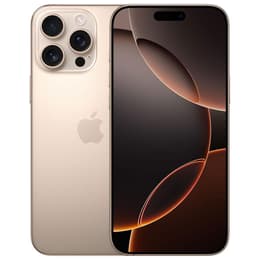
The Google Pixel 9 Pro Fold (released September 2024) and the iPhone 16 Pro Max (released September 2024) represent distinct approaches to high-end smartphone design. The Pixel 9 Pro Fold offers a unique foldable form factor, transforming from a traditional smartphone into a larger tablet-like display, running on Android. In contrast, the iPhone 16 Pro Max is a conventional slab-style smartphone, operating on Apple's iOS platform. Both devices aim to deliver premium experiences, but cater to different user preferences through their fundamental designs and operating system ecosystems.

Scores

Durability

Evaluating the long-term usability of these devices involves considering their release timelines, software support, and physical resilience.

  • Software Longevity: The Google Pixel 9 Pro Fold is expected to receive seven years of Android OS, security, and Feature Drop updates, offering extended software support. The iPhone 16 Pro Max, running iOS, also benefits from Apple's reputation for providing long-term software updates, typically spanning five to six years from its release.
  • Repairability: The Pixel 9 Pro Fold has demonstrated good repairability for a foldable device, with a modular design that simplifies the replacement of certain components like the USB-C port. However, its inner folding screen remains delicate and susceptible to dust and liquid ingress near the hinge. The iPhone 16 Pro Max has seen improvements in repairability, particularly for battery replacement, and iOS 18 includes an on-device Repair Assistant.
  • Physical Durability: The Pixel 9 Pro Fold features Gorilla Glass Victus 2 on its outer display and back, along with an IPX8 water resistance rating, though it lacks dust resistance. The iPhone 16 Pro Max incorporates a durable titanium frame and second-generation Ceramic Shield on its front display. Despite these advancements, drop tests indicate that the glass on both the front and back of the iPhone 16 Pro Max remains vulnerable to shattering upon impact.

Release year

2024

2024

Compatible with latest Update

Yes

Yes

Foldable

Yes

No

Performance

Both devices are equipped with advanced internal components designed for smooth operation, though their architectures and real-world usage impacts differ.

  • Processing Power: The Google Pixel 9 Pro Fold utilizes a current-generation processor that handles everyday tasks and most games effectively. While generally responsive, it may exhibit some slowdown when managing intensive multitasking scenarios involving advanced AI features. The iPhone 16 Pro Max features a powerful processor known for delivering consistently smooth performance across applications and demanding tasks, contributing to a fluid user experience.
  • Multitasking and Responsiveness: The Pixel 9 Pro Fold's 16GB of RAM supports efficient multitasking, allowing users to run multiple applications simultaneously, especially benefiting from its large internal display for side-by-side app usage. The iPhone 16 Pro Max, with 8GB of RAM, maintains high system responsiveness and app fluidity, characteristic of its optimized operating system.
  • Battery Behavior: The Pixel 9 Pro Fold, despite a slightly smaller battery capacity than its predecessor, offers solid battery life, with users reporting it can last over 16 hours in video streaming tests and often through a full day of heavy use. The iPhone 16 Pro Max is noted for its exceptional battery longevity, with some tests showing over 25 hours of video playback and many users experiencing multi-day usage, representing a significant improvement over previous iPhone models.

Memory (GB)

16 GB

8 GB

Screen quality

The display experience is a primary differentiator, with the Pixel 9 Pro Fold offering a versatile dual-screen setup and the iPhone 16 Pro Max providing a large, high-quality single panel.

  • Display Technology and Clarity: The Google Pixel 9 Pro Fold features two OLED displays: an 8.0-inch inner folding screen and a 6.3-inch outer cover screen. Both offer vibrant colors and deep blacks, with the inner display providing a large canvas for content. The iPhone 16 Pro Max boasts a 6.9-inch Super Retina XDR OLED display, known for its exceptional clarity, color accuracy, and contrast, providing an immersive viewing experience.
  • Brightness and Smoothness: Both the inner and outer displays of the Pixel 9 Pro Fold achieve a peak brightness of 2,700 nits, ensuring good visibility in bright outdoor conditions. Its displays also support a variable refresh rate up to 120Hz for smooth scrolling and animations. The iPhone 16 Pro Max's display is also very bright and features a 120Hz refresh rate, contributing to fluid interactions and excellent outdoor readability.
  • Viewing Experience: The Pixel 9 Pro Fold's inner display unfolds into a nearly square aspect ratio, which is well-suited for productivity tasks like reading documents or using two apps side-by-side. The iPhone 16 Pro Max offers an expansive, traditional smartphone display with thin bezels, making it ideal for media consumption and providing a large viewing area for videos and games.

Resolution

2076 x 2152

1320 x 2868

Screen type

Foldable LTPO OLED

LTPO Super Retina XDR OLED

Audiovisual

Both devices offer advanced camera systems, but with different strengths and user experiences.

  • Camera System Configuration: The Google Pixel 9 Pro Fold features a triple-camera setup on the rear, including a 48MP main sensor, a 10.5MP ultrawide lens that also functions for macro photography, and a 10.8MP telephoto lens capable of 5x optical zoom. The iPhone 16 Pro Max also has a triple-camera system, with a 48MP main sensor, a 48MP ultrawide camera, and a 12MP telephoto lens offering 5x optical zoom.
  • Photography Performance: The Pixel 9 Pro Fold delivers photos with natural colors and good dynamic range, particularly from its main lens. However, some users note that its overall camera performance, especially in low light or with the ultrawide and telephoto lenses, may not match the quality of other flagship Pixel devices. The iPhone 16 Pro Max is praised for its consistently great photos and exceptional video recording quality, with improvements in its ultrawide camera and faster readout speeds for high-resolution video.
  • Video and Audio: Both devices are capable of recording 4K video at up to 60 frames per second. The iPhone 16 Pro Max further enhances video capabilities with 4K 120fps recording in Dolby Vision and improved audio recording features, including wind reduction.

Main camera

48 megapixels

48 megapixels

Front camera

10 megapixels

12 megapixels

Miscellaneous

Beyond core features, several practical elements contribute to the overall user experience of these devices.

  • Connectivity and Ports: Both the Pixel 9 Pro Fold and the iPhone 16 Pro Max support 5G connectivity for fast mobile data. The Pixel 9 Pro Fold uses USB-C for charging and data transfer. The iPhone 16 Pro Max also features a USB-C port and includes support for Wi-Fi 7, offering advanced wireless networking capabilities.
  • Biometric Security: The Pixel 9 Pro Fold incorporates a fingerprint scanner integrated into the power button and offers 2D face unlock for convenient access. The iPhone 16 Pro Max relies on Face ID, Apple's facial recognition system, for secure unlocking and authentication.
  • Design and Handling: The Pixel 9 Pro Fold has a redesigned, thinner, and lighter build compared to its predecessor, aiming to feel more like a traditional phone when folded. When unfolded, its 8-inch screen provides a large workspace. The iPhone 16 Pro Max features a durable titanium frame and a large 6.9-inch display. Its substantial size and weight mean it often requires two-handed operation.

Weight

257 oz

227 oz

Screen size (in)

8.0

6.9

Network

5G

5G

SIM card

Physical SIM + eSIM

Physical SIM + eSIM

Carrier compatibility

Unlocked

Unlocked

The Google Pixel 9 Pro Fold and the iPhone 16 Pro Max cater to distinct user needs, each excelling in different areas. Users often praise the Pixel 9 Pro Fold for its innovative foldable design, which offers the versatility of a compact smartphone and a larger tablet-like display. Its robust software support, with seven years of updates, is also a significant advantage. However, some users express concerns about the durability of the inner folding screen and the camera performance not quite matching other top-tier Pixel devices.

The iPhone 16 Pro Max is frequently lauded for its exceptional battery life, consistently smooth performance, and outstanding video recording capabilities. Its large, vibrant display and long-term software support are also strong points. Criticisms sometimes focus on its large physical size, which can make one-handed use challenging, and the incremental nature of camera improvements compared to its immediate predecessor.

Users prioritizing a versatile device that can switch between a traditional phone and a larger screen for productivity and media consumption may find the Google Pixel 9 Pro Fold well-suited to their needs. Those who value a consistently powerful, long-lasting, and highly refined smartphone experience with a focus on photography and video excellence will likely lean towards the iPhone 16 Pro Max. Both devices offer compelling features, and considering a quality-assured refurbished option can be an eco-friendly alternative for either model.

See all articles

Our recent comparisons