
Compare models

Galaxy S24 vs iPhone Air

  • 1-year warranty
  • Free standard shipping
  • Free 30-day returns
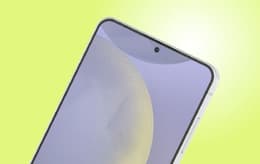
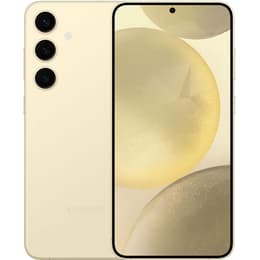
Galaxy S24
Starting at

Refurbished price:A$556.00

Versus A$1,938.69 new

See options
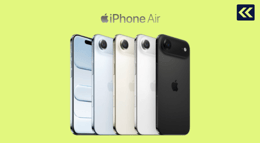
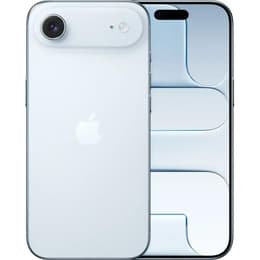
iPhone Air
Starting at

Refurbished price:A$1,061.00

Versus A$1,899.00 new

See options

Differences at a glance

The Samsung Galaxy S24 (2024) and the Apple iPhone Air (2025) represent two distinct approaches to modern smartphone engineering, balancing compact or ultra-slim form factors with everyday capabilities. While the Galaxy S24 operates on Android with Samsung's customized interface, the iPhone Air runs Apple's iOS ecosystem. The primary differentiators between these devices lie in their physical design philosophy, display dimensions, and hardware layout, catering to users who weigh pocketability differently.

Available Models

Colour

Storage (GB)

Scores

Durability

Both models are built to receive long-term software support from their respective manufacturers, though their launch timelines and physical durability profiles differ.

  • Software Longevity: The iPhone Air benefits from a more recent release year, meaning it aligns with extended update timelines, while the Galaxy S24 offers a multi-year commitment to system updates starting from its 2024 launch.
  • Build Materials: The Galaxy S24 utilizes an aluminum frame paired with reinforced glass, whereas the iPhone Air features a rigid titanium construction paired with advanced ceramic shield glass surfaces.
  • Repairability: Both manufacturers provide structured repair programs and component availability, contributing to predictable device lifespans under normal usage conditions.

Release year

2024

2025

Compatible with latest Update

Yes

Yes

Operating system

Android

iOS

Foldable

No

No

Performance

System responsiveness and hardware efficiency define the daily operation of both smartphones across demanding applications and background multitasking.

  • Processor Capability: Both devices handle resource-intensive applications, web browsing, and graphics-heavy gaming smoothly without noticeable stutter or thermal throttling during standard tasks.
  • Multitasking: Generous memory allocations on both models allow seamless switching between active apps, maintaining background processes efficiently.
  • Battery Behavior: The Galaxy S24 includes a moderate battery capacity tailored for its compact footprint, while the iPhone Air balances power consumption around its ultra-thin chassis, both generally lasting through typical daily use routines.

Screen quality

Visual output across both displays delivers high contrast and sharp text clarity suitable for media consumption and text readability.

  • Display Technology: Both devices feature advanced organic light-emitting diode panels that produce deep black levels and saturated color reproduction.
  • Brightness Levels: High peak luminance capabilities on both screens ensure content remains legible under direct sunlight or bright outdoor environments.
  • Refresh Rate: Adaptive refresh rates reaching up to 120Hz provide smooth scrolling performance and fluid motion during animations and touch interactions.

Resolution

1080x2340

2736x1260

Screen type

Dynamic LTPO AMOLED 2X

Super Retina XDR

Audiovisual

Optics and multimedia recording systems differ significantly in hardware configuration between the two handsets.

  • Camera Setup: The Galaxy S24 utilizes a multi-lens rear array including a primary wide lens, ultra-wide lens, and telephoto option, whereas the iPhone Air employs a single high-resolution primary sensor housed within a raised camera plateau.
  • Video and Audio: Both units capture stable video footage with clear microphone audio capture, supporting common recording formats and low-light enhancement modes.
  • Media Playback: Built-in speaker systems deliver clear audio output for hands-free calls, casual video viewing, and podcast listening.

Main camera

50 megapixels

48 megapixels

Front camera

12 megapixels

18 megapixels

Miscellaneous

External connections and physical dimensions dictate how each smartphone feels and integrates into daily carry setups.

  • Physical Dimensions: The Galaxy S24 offers a traditional, highly compact form factor, while the iPhone Air focuses on an exceptionally thin profile that reduces pocket bulk.
  • Connectivity: Both models support modern fifth-generation cellular networks, current Wi-Fi standards, and short-range wireless pairing protocols.
  • Security and Biometrics: Secure authentication is handled via facial recognition on the Apple device and an under-display fingerprint sensor on the Samsung model.

Weight

167 oz

165 oz

Screen size (in)

6.2

6.5

Network

5G

5G

SIM card

Physical SIM + eSIM

eSIM

Carrier compatibility

Unlocked

Unlocked

Connector

USB-C

USB-C

What the community thinks

User discussions across public technology forums frequently highlight the Galaxy S24 for its traditional pocket-friendly dimensions, versatile multi-lens camera setup, and comfortable ergonomics. At the same time, community feedback points out that its battery capacity requires daily replenishment under heavy loads. Conversely, the iPhone Air receives praise for its breakthrough slim profile and high-end display quality, though users note that its single-lens camera system lacks optical zoom versatility compared to traditional multi-lens setups.

Users prioritizing a lightweight, ultra-thin physical footprint and the iOS ecosystem may prefer the iPhone Air, while users seeking a compact traditional handset with a dedicated telephoto lens will find the Galaxy S24 well-suited to their needs. For consumers exploring sustainable technology habits, a quality-assured refurbished option provides a reliable and eco-friendly alternative to purchasing newly manufactured hardware.