
Compare models
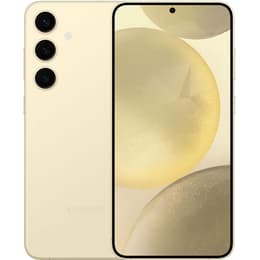
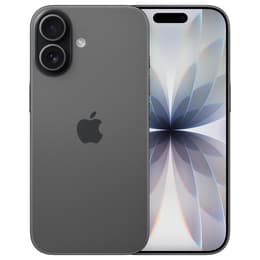
Galaxy S24 vs iPhone 17
- 1-year warranty
- Free standard shipping
- Free 30-day returns
Differences at a glance
The Samsung Galaxy S24 (2024) and the iPhone 17 (2025) are flagship smartphones that represent different generations and distinct operating ecosystems. While both devices offer high-end capabilities in compact form factors, they differ significantly in their launch timing, operating systems, and display sizes. Choosing between them involves weighing Android's open customization against iOS's integrated ecosystem.
Available Models
Colour
Storage (GB)
Scores
Durability
When examining longevity, both smartphones are engineered to receive long-term software support, though their release timelines differ by over a year. The Galaxy S24 operates on Android, while the iPhone 17 runs iOS, influencing how long each device receives security and system updates.
- Update schedules: Samsung provides multi-year software and security updates matching industry standards, whereas Apple supports its devices with prolonged iOS feature upgrades.
- Repair infrastructure: Both manufacturers provide structured repair programs and component availability, contributing to reliable serviceability through certified channels.
- Expected lifespan: Solid build materials and robust internal hardware ensure both models maintain dependable daily operation over several years of use.
Release year
2024
2025
Compatible with latest Update
Yes
Yes
Operating system
Android
iOS
Foldable
No
No
Performance
Performance capabilities on both devices handle intensive daily demands smoothly, though they utilize different hardware architectures and operating system optimizations. Storage configurations and battery management vary between the two models to suit different usage habits.
- App execution and multitasking: Both devices load heavy applications quickly, switch between tasks seamlessly, and maintain steady frame rates during mobile gaming.
- Battery endurance: The Galaxy S24 relies on a 4000 mAh battery, while the iPhone 17 incorporates a 3692 mAh capacity, both offering enough charge to last through a typical day of mixed usage.
- Memory handling: Efficient RAM allocation on both platforms ensures background applications remain active without sudden reloads or system slowdowns.
Screen quality
Display technology is a strong suit for both models, delivering sharp resolution and vibrant color reproduction for everyday media consumption. Each screen incorporates high refresh rates for fluid visual motion.
- Display panels: The Galaxy S24 utilizes a 6.2-inch Dynamic AMOLED panel, while the iPhone 17 features a slightly larger 6.3-inch LTPO Super Retina XDR OLED display.
- Outdoor visibility: High peak brightness levels on both screens ensure clear readability under direct sunlight or bright ambient lighting conditions.
- Refresh rate smoothness: Both displays support a 120Hz maximum refresh rate, enabling fluid scrolling through web pages and responsive touch interactions.
Audiovisual
Imaging hardware on these smartphones accommodates versatile photography needs, ranging from everyday snapshots to detailed video recording. Audio output through built-in stereo speakers provides balanced sound for media playback.
- Rear camera setups: The Galaxy S24 features a triple-lens array including a high-resolution main sensor, ultra-wide lens, and dedicated telephoto lens, whereas the iPhone 17 employs a dual-lens system with high-megapixel main and ultra-wide capabilities.
- Low-light capture: Advanced image processing on both devices brightens dark scenes and controls noise levels effectively in dim environments.
- Video and audio: Both models record stable video with clear audio capture from integrated microphones, complemented by immersive stereo speakers for media viewing.
Front camera
12 megapixels
18 megapixels
Miscellaneous
Physical dimensions and connectivity standards define the daily handling and compatibility of each smartphone. Practical design choices balance screen workspace with pocket-friendly portability.
- Dimensions and weight: The Galaxy S24 measures 147 x 70.6 x 7.6 mm and weighs 168 grams, while the iPhone 17 measures 149.6 x 71.5 x 7.95 mm and weighs 177 grams.
- Connector types: The iPhone 17 utilizes a USB-C port for charging and data transfer, matching the universal USB-C standard adopted by the Galaxy S24.
- Durability ratings: Both smartphones feature robust glass fronts and official dust and water resistance certifications for everyday protection.
Weight
167 oz
177 oz
Screen size (in)
6.2
6.3
Network
5G
5G
SIM card
Physical SIM + eSIM
Physical SIM + eSIM
Carrier compatibility
Unlocked
Unlocked
Connector
USB-C
USB-C
What the community thinks
User feedback from online communities highlights distinct preferences for each smartphone. Galaxy S24 users frequently praise its compact ergonomics, versatile triple-lens camera setup including a dedicated telephoto option, and the deep customisation features of the Android operating system. On the other hand, iPhone 17 owners often emphasize the smooth fluidity of the updated 120Hz display, reliable battery longevity, and seamless integration within the Apple ecosystem.
Users who prioritize file management flexibility, split-screen multitasking, and optical zoom versatility may prefer the Galaxy S24. Conversely, users who value long-term software retention, a slightly larger screen workspace, and simplified cross-device sharing will likely lean toward the iPhone 17. For those seeking an eco-friendly, quality-assured alternative, choosing a certified refurbished model provides a sustainable path to owning either device.