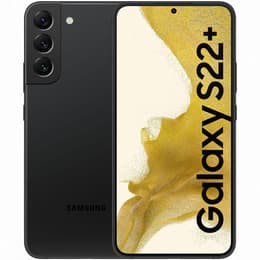
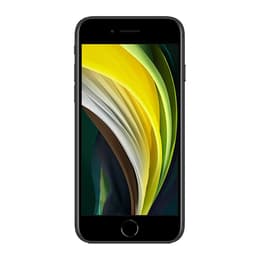

Galaxy S22+ 5G vs iPhone SE (2020)

Galaxy S22+ 5G
Galaxy S22+ 5G
Starting at

Refurbished price:A$389.00

Versus A$1,690.00 new

See options
iPhone SE (2020)
iPhone SE (2020)
Starting at

Refurbished price:A$108.00

Versus A$529.00 new

See options

Ratings

The Samsung Galaxy S22 Plus 5G (released February 2022) and the iPhone SE 2020 (released April 2020) are two smartphones that cater to different user preferences and ecosystems. While the Galaxy S22 Plus offers a larger, more modern design with advanced display and camera technology, the iPhone SE 2020 provides a compact form factor with a powerful processor within a familiar Apple design. The primary differentiators lie in their operating systems, screen technology, and overall size, influencing daily usability and feature sets.

Scores

Durability

The expected practical lifespan and software support differ between these two devices due to their release timelines and manufacturer policies.

  • Release Timeline: The iPhone SE 2020 was released in April 2020, making it an older device compared to the Galaxy S22 Plus 5G, which launched in February 2022. This two-year difference impacts their remaining software support and overall longevity.
  • Software Longevity: Apple typically provides major iOS updates for 5-7 years after an iPhone's release, with security updates continuing for a few more years. The iPhone SE 2020, launched with iOS 13.4, is expected to receive major OS upgrades until at least 2027, possibly longer, and security updates until around 2029-2031. Samsung generally offers four years of Android OS updates and five years of security patches for its flagship devices like the Galaxy S22 Plus 5G.
  • Repairability: The iPhone SE 2020 has a repairability score of 6 out of 10 from iFixit, noting that common components like the display and battery are relatively straightforward to replace, and many parts are interchangeable with the iPhone 8. Information on the specific repairability score for the Galaxy S22 Plus 5G is less readily available, but generally, modern Android flagships can be more complex to repair due to intricate designs and adhesive use.

Release year

2022

2020

Compatible with latest Update

Yes

Yes

Operating system

Android

iOS

Foldable

No

No

Performance

Both devices offer capable performance for everyday tasks, though their underlying hardware and real-world usage experiences vary significantly.

  • Processor Capabilities: The iPhone SE 2020 is equipped with a powerful processor that handles demanding tasks and multitasking smoothly, similar to more premium iPhones from its era. The Galaxy S22 Plus 5G features a current-generation processor for its release year, providing robust performance for heavy apps and gaming.
  • Storage Options: The iPhone SE 2020 was available with 64GB, 128GB, and 256GB storage options. The Galaxy S22 Plus 5G offers 128GB and 256GB internal storage configurations. Neither device supports expandable storage via a memory card.
  • Battery Behavior: The iPhone SE 2020 is noted by users for its smaller battery capacity, often requiring more frequent charging for heavy users and sometimes struggling to last a full day with intensive use. The Galaxy S22 Plus 5G, with its larger battery, generally provides a full day of use for most users, though intensive tasks like prolonged gaming or 5G streaming can drain it more quickly.
  • Overall System Responsiveness: Both devices offer a fluid user experience within their respective operating systems. The iPhone SE 2020 benefits from Apple's optimization between hardware and software, ensuring smooth navigation and app launches. The Galaxy S22 Plus 5G delivers consistently excellent performance, making it responsive for daily use and demanding applications.

Memory (GB)

8 GB

3 GB

Screen quality

The display technologies and viewing experiences offered by the Galaxy S22 Plus 5G and the iPhone SE 2020 present distinct differences.

  • Display Technology and Size: The Galaxy S22 Plus 5G features a larger 6.6-inch Dynamic AMOLED 2X display, known for its deep blacks, vibrant colors, and high contrast. The iPhone SE 2020 has a smaller 4.7-inch Retina IPS LCD display, which offers good color accuracy but does not achieve the same contrast levels as an OLED panel.
  • Resolution and Clarity: The Galaxy S22 Plus 5G provides a resolution of 1080 x 2340 pixels, resulting in a clear and detailed viewing experience on its larger screen. The iPhone SE 2020 has a resolution of 750 x 1334 pixels, which is sufficient for its smaller screen size but offers less pixel density compared to the Galaxy S22 Plus.
  • Brightness and Refresh Rate: The Galaxy S22 Plus 5G's display is capable of high brightness levels, making it easily viewable outdoors, and features a 120Hz refresh rate for smoother scrolling and animations. The iPhone SE 2020 has a standard refresh rate and its LCD panel, while bright, may be less visible in direct sunlight compared to the AMOLED display of the S22 Plus.
  • Viewing Experience: Users who prefer a larger, more immersive screen for media consumption, gaming, and multitasking will find the Galaxy S22 Plus 5G's display more suitable. The iPhone SE 2020 caters to those who prefer a compact device with a traditional home button and a smaller screen for easier one-handed use.

Resolution

1080 x 2340

750 x 1334

Screen type

Dynamic AMOLED 2X

Retina IPS LCD

Audiovisual

The camera systems on both smartphones are capable, but they approach photography with different hardware and software philosophies.

  • Rear Camera System: The Galaxy S22 Plus 5G boasts a versatile triple-camera setup, including a 50 MP main sensor, a 12 MP ultrawide lens, and a 10 MP telephoto lens with 3x optical zoom. This allows for a wider range of photographic options, from expansive landscapes to detailed zoomed-in shots. The iPhone SE 2020 features a single 12 MP wide-angle rear camera. Despite having only one lens, it leverages computational photography to produce good quality images in many scenarios.
  • Photography Performance: The Galaxy S22 Plus 5G offers improved detail, color accuracy, and low-light performance compared to its predecessors, with its larger main sensor contributing to brighter night shots. The iPhone SE 2020's camera is praised for its natural-looking photos, impressive dynamic range, and strong performance in good lighting conditions. Its portrait mode, powered by its advanced processor, is effective for subjects. However, it lacks a dedicated night mode and may struggle in very low-light environments.
  • Video Recording Quality: Both phones are capable of recording high-quality video. The Galaxy S22 Plus 5G can record up to 8K resolution, offering very detailed footage. The iPhone SE 2020 can record 4K video at up to 60 frames per second, with excellent stabilization and dynamic range, making it a strong contender for video capture in its segment.
  • Front Camera: The Galaxy S22 Plus 5G has a 10 MP front camera, suitable for clear selfies and video calls. The iPhone SE 2020 features a 7 MP front camera that also supports portrait mode selfies.

Main camera

50 megapixels

12 megapixels

Front camera

10 megapixels

7 megapixels

Miscellaneous

Beyond core performance and camera, several practical elements differentiate these two smartphones in daily use.

  • Connectivity: The Galaxy S22 Plus 5G supports 5G connectivity, Wi-Fi 6E, and Bluetooth 5.2, offering faster mobile data speeds and more advanced wireless connections. The iPhone SE 2020 supports 4G LTE, Wi-Fi 6, and Bluetooth 5.0.
  • Port Types: The Galaxy S22 Plus 5G uses a USB-C port for charging and data transfer. The iPhone SE 2020 utilizes Apple's proprietary Lightning port. Neither device includes a traditional 3.5mm headphone jack.
  • Biometric Security: The Galaxy S22 Plus 5G features an under-display fingerprint sensor for secure unlocking. The iPhone SE 2020 uses Touch ID, an integrated fingerprint sensor within its physical home button.
  • Design and Build Materials: The Galaxy S22 Plus 5G has a modern design with a larger, nearly bezel-less display and a premium feel, often incorporating glass and metal. The iPhone SE 2020 retains the classic iPhone design with a physical home button and larger bezels, featuring a glass front and back. Both devices offer some level of water and dust resistance, with the S22 Plus having an IP68 rating and the iPhone SE 2020 an IP67 rating.
  • Weight and Dimensions: The Galaxy S22 Plus 5G is a larger and heavier device, measuring 157.4 x 75.8 x 7.6 mm and weighing 195g. The iPhone SE 2020 is more compact and lighter at 138.4 x 67.3 x 7.3 mm and 148g, making it easier for one-handed operation.

Weight

227 oz

148 oz

Screen size (in)

6.6

4.7

Network

5G

4G

SIM card

Physical SIM + eSIM

Physical SIM + eSIM

Carrier compatibility

Unlocked

Unlocked

Connector

USB-C

Lightning

The Samsung Galaxy S22 Plus 5G and the iPhone SE 2020 cater to distinct user preferences, each with its own set of strengths and considerations.

Users frequently praise the Galaxy S22 Plus 5G for its vibrant and expansive display, versatile camera system with optical zoom, and robust performance for demanding applications. Its modern design and 5G connectivity are also commonly highlighted as positive attributes. However, some users have noted concerns regarding its battery life, particularly with heavy usage, and occasional heating during intensive tasks. The camera, while generally good, has received some feedback about processing of human subjects and potential for washed-out colors in certain conditions.

The iPhone SE 2020 is often lauded for its compact size, powerful processor that ensures smooth operation, and its capable single camera system that produces natural-looking photos and excellent video. Its familiar design with Touch ID is also a draw for many. On the other hand, frequent criticisms revolve around its smaller, older-generation LCD display with larger bezels, and notably, its battery life, which many users find insufficient for a full day of heavy use. The lack of an ultrawide or telephoto lens is also a common point of comparison against multi-camera phones.

For users prioritizing a large, high-quality display, a versatile multi-lens camera system, and the latest Android features with 5G connectivity, the Galaxy S22 Plus 5G may be the more suitable choice. It is well-suited for media consumption, mobile gaming, and those who prefer a larger screen experience. Conversely, individuals who value a compact form factor, a familiar iOS experience with a physical home button, and strong core performance for everyday tasks, while being less concerned with cutting-edge display or multi-camera features, might lean towards the iPhone SE 2020. Both devices are available as quality-assured refurbished options, providing an eco-friendly alternative for consumers.
See all articles

Our recent comparisons