
Compare models

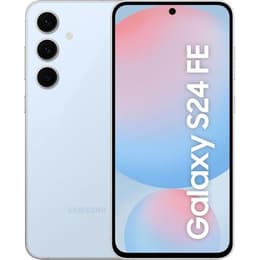
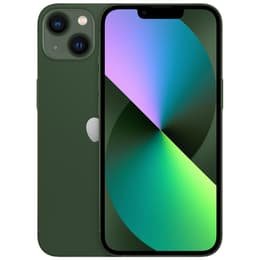
Galaxy S24 FE vs iPhone 13

  • 1-year warranty
  • Free standard shipping
  • Free 30-day returns
Galaxy S24 FE
Starting at

Refurbished price:A$549.00

Versus A$639.00 new

See options
iPhone 13
Starting at

Refurbished price:A$406.00

Versus A$1,099.00 new

See options

Differences at a glance

The Samsung Galaxy S24 FE (2024) and the Apple iPhone 13 (2021) represent two distinct approaches to smartphone design, operating systems, and core user experiences. While the Galaxy S24 FE delivers a contemporary large-screen layout running on Android, the iPhone 13 offers a compact form factor powered by iOS. These two devices differ fundamentally in screen dimensions, software ecosystems, and camera configurations while serving everyday communication and multimedia needs.

Available Models

Colour

Storage (GB)

Scores

Durability

When evaluating hardware longevity and software support, both devices offer robust frameworks backed by their respective manufacturers, though their release years create a gap in total support windows.

  • Release timeline and age: The iPhone 13 debuted in late 2021, whereas the Galaxy S24 FE arrived in late 2024, giving the Samsung device a newer baseline for component wear.
  • Software longevity expectations: Samsung provides extended multi-year operating system upgrades for the S24 series, while Apple maintains a long-standing reputation for supporting devices with iOS updates for many years after release.
  • Repairability and build: Both models feature durable glass and metal structures with high water resistance ratings, and repair services for both brands are widely accessible through official and independent channels.

Release year

2024

2021

Operating system

Android

iOS

Foldable

No

No

Performance

Daily operation and multitasking capabilities differ due to distinct hardware architectures, memory allocations, and software optimization between the two platforms.

  • Storage and multitasking: Both models start with ample baseline storage configurations, with the Galaxy S24 FE incorporating larger RAM capacity to assist background app retention during heavy multitasking.
  • System responsiveness: Both devices handle daily tasks, web browsing, and demanding mobile games smoothly, maintaining steady frame rates and responsive app loading times without noticeable stutter.
  • Battery behavior: The Galaxy S24 FE includes a larger physical battery capacity to power its expansive screen, whereas the iPhone 13 relies on deep software efficiency to sustain typical daily usage on a smaller power cell.

Screen quality

Visual output and display dimensions vary significantly, impacting media consumption, pocketability, and outdoor readability.

  • Display technology: Both devices utilize vibrant OLED panels that deliver deep contrast levels, sharp text rendering, and rich color reproduction for photos and videos.
  • Refresh rate and smoothness: The Galaxy S24 FE features a higher refresh rate display for smoother scrolling through menus and web pages, while the iPhone 13 utilizes a standard refresh rate.
  • Brightness and size: The Galaxy S24 FE offers a larger 6.7-inch workspace with high peak outdoor brightness, compared to the more compact 6.1-inch display of the iPhone 13 which is easier to operate with one hand.

Resolution

1080x2340

1170 x 2532

Audiovisual

Photography and video recording suites cater to different styles of content capture through unique lens arrangements and processing software.

  • Camera system configuration: The Galaxy S24 FE employs a versatile triple-lens setup including a dedicated telephoto lens for optical zoom, whereas the iPhone 13 relies on a dual-lens system featuring main and ultra-wide lenses.
  • Everyday and low-light capture: Both smartphones handle low-light environments effectively using computational photography to reduce noise and balance exposure in dark settings.
  • Video and audio output: Video recording remains stable and detailed on both platforms, accompanied by clear microphone input for calls and stereo speakers that provide balanced media playback.

Miscellaneous

Physical dimensions, connectivity standards, and daily usability features define how each device integrates into daily routines.

  • Connectivity and ports: Both models support modern 5G cellular networks and fast Wi-Fi standards, utilizing a USB-C port on the Samsung and a Lightning connector on the Apple device.
  • Biometric security: The Galaxy S24 FE provides both facial recognition and an in-display fingerprint sensor, while the iPhone 13 relies exclusively on face recognition technology.
  • Physical handling: Weighing more and offering a wider footprint, the Galaxy S24 FE suits users who prefer expansive viewing space, whereas the lighter iPhone 13 prioritizes a compact, pocket-friendly build. Choosing a quality-assured refurbished option provides a sustainable way to access either of these reliable devices.

Weight

213 oz

173 oz

Screen size (in)

6.7

6.1

Network

5G

5G

SIM card

Physical SIM + eSIM

Physical SIM + eSIM

Carrier compatibility

Unlocked

Unlocked

What the community thinks

User feedback from online communities highlights distinct preferences for each device. Owners of the Galaxy S24 FE frequently praise its expansive display, smooth refresh rate, and versatile triple-camera layout that includes optical zoom. At the same time, some users note its larger physical footprint can feel heavy during extended one-handed use. Conversely, iPhone 13 users often commend its reliable battery efficiency, comfortable pocket-sized form factor, and streamlined iOS interface, though some express a desire for faster charging speeds and higher refresh rate screens.

Users prioritizing a larger screen workspace, higher refresh rates, and Android customization may prefer the Galaxy S24 FE, while users prioritizing a compact one-handed design, long-standing iOS familiarity, and lightweight handling will lean toward the iPhone 13. Selecting a quality-assured refurbished option offers an eco-friendly alternative that extends device life cycles without compromising on performance. Ultimately, the choice depends on personal preferences regarding operating systems and physical dimensions.