
Compare models
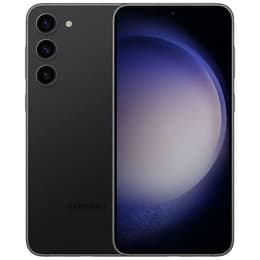
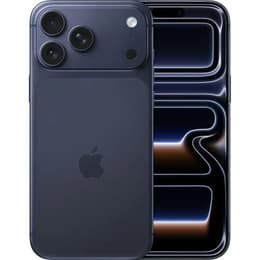
Galaxy S23+ vs iPhone 17 Pro Max
- 1-year warranty
- Free standard shipping
- Free 30-day returns
Differences at a glance
The Samsung Galaxy S23+ (2023) and the Apple iPhone 17 Pro Max (2025) are high-performance smartphones designed to handle demanding daily workloads. While the Galaxy S23+ offers a streamlined Android experience in a lighter build, the iPhone 17 Pro Max introduces a newer generation of hardware, a larger screen, and Apple's proprietary iOS platform. These two devices differ substantially in release year, software ecosystems, and physical proportions.
Available Models
Colour
Storage (GB)
Scores
Durability
When examining hardware longevity, software support timelines and physical build durability dictate how long each device remains practical for daily use.
- Release timeline and software support: The Galaxy S23+ launched in early 2023 running Android, while the iPhone 17 Pro Max arrived in late 2025 running iOS, meaning the Apple device benefits from a significantly extended official software update window.
- Repairability and build resilience: Both models utilize durable glass and aluminum or steel frames with high-level water resistance, though professional repair networks find standard component swaps similarly accessible for both ecosystems.
- Expected lifespan: The newer hardware generation of the iPhone 17 Pro Max provides extended headroom for future software demands, whereas the Galaxy S23+ approaches its mature lifecycle phase.
Release year
2023
2025
Compatible with latest Update
Yes
Yes
Operating system
Android
iOS
Foldable
No
No
Performance
System responsiveness and power management define how smoothly each device transitions through intense multitasking and everyday applications.
- Storage configurations: The Galaxy S23+ starts with spacious baseline storage paired with efficient memory, while the iPhone 17 Pro Max offers extensive capacity tiers reaching up to massive multi-terabyte options.
- Everyday processing and multitasking: Both handsets manage rapid app loading, complex navigation, and demanding mobile games smoothly, though the newer processor architecture in the iPhone 17 Pro Max handles heavy sustained graphics loads with minimal thermal throttling.
- Battery endurance: The Galaxy S23+ manages a full day of typical usage on a moderate cell capacity, whereas the larger physical footprint of the iPhone 17 Pro Max houses a high-capacity battery capable of sustaining extended heavy use well into a second day.
Screen quality
Display characteristics dictate the visual experience for media viewing, reading text, and navigating menus under varied lighting.
- Display technology: Both devices employ advanced OLED panels that produce deep black levels, high contrast, and vivid color reproduction for everyday viewing.
- Brightness and outdoor visibility: The iPhone 17 Pro Max reaches higher peak luminance levels for clear visibility under direct sunlight, while the Galaxy S23+ maintains comfortable legibility in bright outdoor environments.
- Size and refresh rates: The Galaxy S23+ features a manageable 6.6-inch panel with a smooth 120Hz refresh rate, whereas the iPhone 17 Pro Max offers a larger 6.9-inch canvas with adaptive refresh technology to balance motion smoothness and power efficiency.
Resolution
1080 x 2340
2868x1320
Screen type
Dynamic AMOLED 2X
Super Retina XDR
Audiovisual
Optics and acoustic hardware shape the multimedia creation and consumption capabilities of each mobile device.
- Camera versatility: The Galaxy S23+ features a reliable triple-lens rear array led by a high-resolution primary sensor, while the iPhone 17 Pro Max equips a versatile triple-48-megapixel system that captures fine detail across wide, ultra-wide, and extended telephoto focal lengths.
- Low-light and video performance: Both units excel at capturing clear low-light photography, but the iPhone 17 Pro Max provides advanced cinematic video recording options and professional stabilization formats.
- Audio output: Stereo speaker setups on both devices deliver clear dialogue and balanced sound for media playback, supported by sensitive multi-microphone arrays for calls.
Main camera
50 megapixels
48 megapixels
Front camera
12 megapixels
18 megapixels
Miscellaneous
Practical everyday features, connectivity standards, and physical ergonomics influence how comfortably each phone fits into routine workflows.
- Connectivity standards: Both models incorporate modern 5G cellular capabilities, rapid Wi-Fi protocols, and precise location-tracking sensors.
- Physical dimensions and weight: The Galaxy S23+ weighs less and features a slimmer profile that rests easily in one hand, whereas the heavier and larger iPhone 17 Pro Max prioritizes screen estate over pocket-friendly compactness.
- Ports and security: The Galaxy S23+ relies on a USB-C port and an under-display fingerprint reader, while the iPhone 17 Pro Max uses USB-C alongside secure facial recognition technology.
Weight
196 oz
233 oz
Screen size (in)
6.6
6.9
Network
5G
5G
SIM card
Physical SIM + eSIM
eSIM
Carrier compatibility
Unlocked
Unlocked
What the community thinks
User feedback highlights distinct preferences between these two devices. Owners of the Galaxy S23+ frequently praise its comfortable ergonomics, reliable daily performance, and balanced weight distribution. Conversely, users of the iPhone 17 Pro Max often emphasize appreciation for its exceptional battery longevity, expansive screen real estate, and advanced camera flexibility. Common criticisms for the Samsung model focus on its approaching software support limit, while community discussions for the Apple device occasionally note its substantial physical weight and large footprint.
Users prioritizing a lighter, more compact phone with a traditional Android layout will find the Galaxy S23+ well-suited to their daily routine. Meanwhile, users prioritizing maximum screen size, extended battery autonomy, and advanced photography tools may lean toward the iPhone 17 Pro Max. For consumers interested in a quality-assured refurbished option, exploring sustainable choices through Back Market offers a reliable way to acquire either device with verified hardware testing.