
Compare models
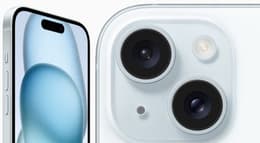
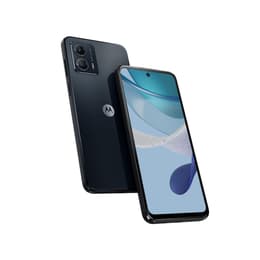
Google Pixel 9a vs Motorola Moto G53
- 1-year warranty
- Free standard shipping
- Free 30-day returns
Differences at a glance
The Google Pixel 9a (2025) and the Motorola Moto G53 (2023) represent distinct approaches to modern smartphone engineering. While both devices serve users seeking reliable everyday functionality, they cater to different expectations regarding internal capabilities, operating systems, and overall build philosophy. The Google Pixel 9a runs a clean, Google-managed version of the Android operating system with long-term software commitments, whereas the Motorola Moto G53 operates on a streamlined version of Android tailored for resource efficiency.
Understanding how these two smartphones differ in daily operation helps users determine which model aligns more closely with their specific routines.
Available Models
Colour
Storage (GB)
Scores
Durability
Longevity and hardware support vary significantly between these two models due to their release timelines and manufacturer commitments.
- Software Support Duration: The Google Pixel 9a benefits from an extended software update schedule spanning multiple years of security and platform upgrades, while the Motorola Moto G53 offers a shorter window of official software maintenance.
- Expected Practical Lifespan: Users can anticipate prolonged hardware viability from the Google Pixel 9a due to its contemporary processing architecture, whereas the Motorola Moto G53 suits shorter upgrade cycles or secondary device use.
- Repairability and Build Maintenance: Both manufacturers provide structured repair frameworks, though parts availability often favors widespread mainstream device releases like quality-assured refurbished options found on Back Market.
Release year
2025
2022
Operating system
Android
Android
Foldable
No
No
Performance
Daily responsiveness, multitasking handling, and battery endurance differ notably based on the underlying hardware configurations of each phone.
- App Loading and Multitasking: The Google Pixel 9a manages demanding applications, split-screen multitasking, and resource-heavy software smoothly, whereas the Motorola Moto G53 handles routine tasks like web browsing and messaging efficiently without heavy processing overhead.
- Battery Behavior: Both devices manage daily power consumption effectively, though real-world testing shows that users streaming video or navigating outdoors experience different discharge rates depending on processor efficiency and battery capacity.
- Storage and Memory Capacity: The Google Pixel 9a provides generous internal storage configurations alongside sufficient memory for background app retention, matching standard user requirements for media storage.
Screen quality
Visual output and display technologies shape the primary viewing experience for media consumption, reading, and outdoor visibility.
- Display Technology: The Google Pixel 9a features a vibrant OLED screen delivering deep contrast levels and rich color reproduction, whereas the Motorola Moto G53 utilizes an LCD panel with standard contrast ratios.
- Brightness and Outdoor Legibility: Peak brightness outputs on the Google Pixel 9a allow for clear text legibility under direct sunlight, while the Motorola Moto G53 requires manual shade adjustment in bright outdoor environments.
- Refresh Rate and Smoothness: Both models incorporate elevated refresh rates that ensure fluid scrolling through web pages and social media feeds, reducing visual stutter during interface navigation.
Resolution
1080x2424
720 x 1600
Screen type
P-OLED
IPS LCD
Audiovisual
Imaging hardware and audio output components dictate how each device captures memories and reproduces sound for entertainment.
- Camera System Capabilities: The Google Pixel 9a relies on advanced computational photography algorithms to produce balanced low-light images and sharp detail across varied lighting conditions, while the Motorola Moto G53 provides basic sensor configurations suited for casual daytime snapshots.
- Video Recording Quality: Stabilization features on the Google Pixel 9a reduce motion blur during handheld recording, whereas the Motorola Moto G53 handles static video recording adequately for personal archives.
- Speaker Output: Stereo speaker configurations on both smartphones deliver clear voice audio for calls, though media playback lacks deep low-frequency response on both models.
Miscellaneous
Physical dimensions, connectivity standards, and daily handling factors complete the practical profile of each device.
- Connectivity Standards: Both phones support modern 5G networks, fast Wi-Fi standards, and reliable Bluetooth pairing for wireless accessories and hands-free peripherals.
- Physical Dimensions and Weight: Weight distribution and chassis dimensions favor comfortable one-handed operation on both models, though surface finishes differ in grip texture and smudge resistance.
- Security Sensors: Biometric authentication methods include rapid fingerprint recognition and facial scanning options to secure personal data effectively.
Weight
186 oz
183 oz
Screen size (in)
6.3
6,5
Network
5G
5G
SIM card
Physical SIM + eSIM
Dual Physical SIM
Carrier compatibility
Unlocked
Unlocked
What the community thinks
Community discussions across platforms like Reddit highlight distinct preferences among everyday smartphone users. Owners of the Google Pixel 9a frequently praise its dependable camera processing, long-term software outlook, and vibrant display quality, though some note that heavy gaming can generate noticeable warmth. Conversely, users of the Motorola Moto G53 often highlight its straightforward interface, reliable daily battery retention, and lightweight build, while noting limitations in complex photography scenarios and extended software updates.
Users prioritizing advanced photography, high-contrast displays, and long-term software updates will find the Google Pixel 9a well-suited to their needs. Meanwhile, users seeking a straightforward device for messaging, calling, and light media consumption may lean toward the Motorola Moto G53. Selecting either model as a quality-assured refurbished option from sustainable platforms like Back Market provides an eco-friendly alternative that reduces electronic waste without compromising on verified device functionality.