Compare models
Galaxy S23 vs Google Pixel 9a
- 1-year warranty
- Free standard shipping
- Free 30-day returns
Differences at a glance
The Samsung Galaxy S23 (2023) and the Google Pixel 9a (2025) represent two distinct approaches to modern smartphone engineering. While the Galaxy S23 delivers a compact flagship experience with polished hardware, the Google Pixel 9a focuses on integrating advanced software features and prolonged system updates into a streamlined profile. Both devices run the Android operating system, though they apply different user interfaces and feature sets on top of the core software.
Available Models
Colour
Storage (GB)
Scores
Durability
Comparing the release timelines reveals a two-year gap, with the Galaxy S23 debuting in early 2023 and the Pixel 9a arriving in early 2025, directly impacting their total active software windows.
- Software longevity expectations: The Pixel 9a benefits from an extended official software update commitment lasting seven years from its release. The Galaxy S23 operates on a shorter multi-year update schedule reflecting its earlier launch year.
- Repairability and physical endurance: Both models feature durable build configurations with dust and water resistance ratings, though parts availability and repair procedures vary by regional service networks.
- Expected practical lifespan: Users selecting the Pixel 9a gain a longer window of active security patches, while the Galaxy S23 relies on its established build quality to maintain everyday reliability. Choosing a quality-assured refurbished option provides a sustainable choice that extends the active lifecycle of these devices.
Release year
2023
2025
Operating system
Android
Android
Foldable
No
No
Performance
Daily operation and hardware capability differ through distinct internal component choices and memory configurations.
- Processor capabilities for everyday tasks: The Galaxy S23 handles demanding mobile games and intensive applications with high thermal efficiency. The Pixel 9a runs everyday multitasking, web browsing, and machine learning tasks smoothly.
- Storage and memory options: Both devices typically offer standard baseline storage tiers starting at 128GB paired with sufficient RAM to keep background applications active without frequent reloading.
- Battery behavior in typical use cases: The Pixel 9a features a larger battery capacity that easily sustains prolonged media streaming through a full day. The Galaxy S23 packs a smaller physical battery, requiring more frequent charging for heavy users.
Screen quality
Display characteristics shape how content, photos, and video media are experienced on a daily basis.
- Display technology and clarity: Both smartphones utilize vibrant OLED display panels that produce deep blacks, sharp text clarity, and vivid color reproduction for everyday viewing.
- Refresh rate and smoothness: Each model supports a high refresh rate peaking at 120Hz, ensuring fluid scrolling through web pages, social feeds, and system menus.
- Screen size and outdoor brightness: The Pixel 9a offers a slightly larger display surface area, whereas the Galaxy S23 provides a more compact footprint that remains comfortable to read under bright sunlight.
Resolution
1080 x 2340
1080x2424
Screen type
Dynamic AMOLED 2X
P-OLED
Audiovisual
Optics and media output capabilities cater to different photography styles and content creation needs.
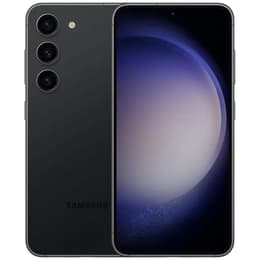
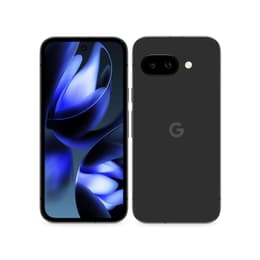
- Camera system capabilities: The Galaxy S23 features a triple-lens rear setup including a dedicated telephoto lens for optical zoom. The Pixel 9a employs a dual-lens rear layout backed by computational photography software.
- Low-light and everyday photography: Both devices capture detailed images in challenging lighting conditions, with the Pixel series known for processing natural skin tones and high-contrast scenes effectively.
- Video recording and audio output: Both models support high-resolution video capture with stabilization features, while their integrated stereo speakers deliver clear audio for hands-free calls and media consumption.
Miscellaneous
Physical dimensions and connectivity standards determine how each device feels during everyday handling.
- Weight and physical dimensions: The Galaxy S23 is lighter and narrower, making it well-suited for single-handed operation. The Pixel 9a is slightly larger and heavier to accommodate its larger internal battery.
- Connectivity and ports: Both phones support 5G network bands, modern Wi-Fi standards, and Bluetooth connectivity, utilizing reversible USB-C ports for charging and data transfer.
- Authentication sensors: Each device incorporates modern biometric security features, including facial recognition capabilities and secure fingerprint sensors embedded directly into the screen.
Weight
167 oz
186 oz
Screen size (in)
6.1
6.3
Network
5G
5G
SIM card
Dual Physical SIM + eSIM
Physical SIM + eSIM
Carrier compatibility
Unlocked
Unlocked
What the community thinks
User discussions across online communities highlight distinct preferences for each device based on everyday priorities. Owners of the Galaxy S23 frequently praise its compact form factor, premium in-hand feel, and versatile multi-lens camera system that includes optical zoom. Conversely, Pixel 9a users often emphasize satisfaction with its robust battery endurance, clean software interface, and long-term security support window. Common criticisms for the Galaxy S23 typically center on its shorter remaining software support timeline compared to newer releases, while some users note that the Pixel 9a lacks a dedicated physical telephoto lens for distant subjects.
Users prioritizing a smaller physical footprint, lighter weight, and optical zoom capabilities will find the Galaxy S23 well-suited to their needs. Meanwhile, users prioritizing extended software support, simplified AI integration, and longer battery longevity between charges may lean toward the Pixel 9a. Evaluating these practical differences allows buyers to select the hardware profile that best matches their daily habits, with sustainable refurbished models offering an eco-friendly alternative for conscious consumers.