
Compare models
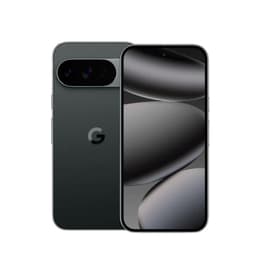
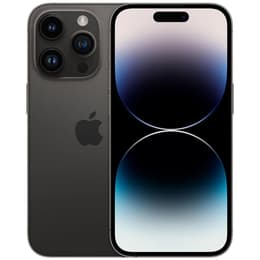
Google Pixel 10 Pro XL vs iPhone 14 Pro
- 1-year warranty
- Free standard shipping
- Free 30-day returns
Differences at a glance
The Google Pixel 10 Pro XL (2025) and the Apple iPhone 14 Pro (2022) are high-end smartphones representing different operating systems and hardware generations. While they originate from different years, both devices cater to users seeking expansive processing capabilities, advanced camera arrays, and premium build quality. The primary differences lie in their software ecosystems, display proportions, and generation timelines, with the Pixel running Android and the iPhone operating on iOS.
Available Models
Colour
Storage (GB)
Scores
Durability
When evaluating longevity, these two smartphones differ significantly in their release dates and anticipated software update support windows.
- Release timeline and support: The Pixel 10 Pro XL benefits from a more recent release year, aligning with extended software update commitments that span multiple years of system upgrades. The iPhone 14 Pro has been on the market longer, meaning its remaining official update window is shorter relative to newer generations.
- Repairability and durability: Both models utilize robust exterior materials designed to withstand daily wear, and both feature high-level water resistance ratings. Parts availability and repair options are widely established for both brands through authorized and independent service channels.
- Practical lifespan: Users can expect reliable multi-year daily usage from either device, though software support longevity favors the newer Google flagship for long-term ownership.
Release year
2025
2022
Operating system
Android
iOS
Foldable
No
No
Performance
System responsiveness and everyday multitasking capabilities differ due to generational hardware variations and RAM allocations.
- Multitasking and memory: The Pixel 10 Pro XL features a generous amount of random access memory, allowing demanding background tasks and heavy app switching to run smoothly. The iPhone 14 Pro handles multitasking efficiently through optimized software resource management despite having a lower hardware memory capacity.
- App loading and gaming: Both devices load complex applications quickly and handle modern mobile games with steady frame rates. Current-generation silicon in the Pixel provides additional headroom for demanding processing tasks, while the iPhone maintains dependable responsiveness across everyday utilities.
- Storage configurations: Both lineups offer multiple storage tiers starting at baseline capacities suitable for general media storage, scaling up to large capacities for extensive file libraries.
Screen quality
Display technology on both handsets delivers sharp clarity, vibrant color reproduction, and high peak brightness for outdoor readability.
- Display panels: The Pixel 10 Pro XL is equipped with a large, expansive OLED panel spanning 6.8 inches with a high resolution. The iPhone 14 Pro utilizes a compact 6.1-inch Super Retina XDR OLED screen with deep contrast and rich black levels.
- Refresh rate and smoothness: Both screens support adaptive refresh rates reaching up to 120 hertz, ensuring smooth scrolling through web pages and fluid animation transitions during navigation.
- Outdoor visibility: High peak brightness capabilities on both panels allow menus and media to remain clearly legible even under direct sunlight.
Resolution
1344x2992
1179 x 2556
Audiovisual
Media creation and consumption hardware vary slightly in lens configurations and audio-visual output.
- Camera versatility: Both smartphones feature a triple-lens rear array including high-resolution primary sensors, ultra-wide options, and telephoto lenses capable of optical zoom magnification. Computational photography tools on the Pixel assist with low-light clarity and detail enhancement, while the iPhone utilizes advanced image pipelines for balanced exposure and natural skin tones.
- Video recording: Both models support high-definition video capture with stabilization features, making them suitable for handheld recording and cinematic clips.
- Audio output: Stereo speaker systems on both devices deliver clear sound for hands-free calls, podcasts, and casual media playback without requiring external speakers.
Miscellaneous
Practical everyday features, connectivity standards, and physical handling characteristics shape the daily user experience.
- Connectivity and ports: Both models support 5G cellular networks, modern Wi-Fi standards, and Bluetooth accessories. The Pixel utilizes a reversible USB-C port for charging and data transfer, while the iPhone employs a Lightning connector.
- Security and sensors: Security is handled via facial recognition technology on both devices, alongside secure biometric hardware integration.
- Dimensions and weight: The Pixel 10 Pro XL offers a substantially larger screen footprint and a heavier build suited for two-handed use, whereas the iPhone 14 Pro provides a more compact, pocket-friendly form factor that is easier to manage with one hand. Choosing a quality-assured refurbished option provides a sustainable choice for consumers interested in reducing electronic waste while acquiring high-end hardware.
Weight
232 oz
206 oz
Screen size (in)
6.8
6,1
Network
5G
5G
SIM card
Physical SIM + eSIM
Physical SIM + eSIM
Carrier compatibility
Unlocked
Unlocked
What the community thinks
User feedback from online communities highlights distinct preferences for each device based on operating system familiarity and hardware size. Owners of the Pixel 10 Pro XL frequently praise its expansive display estate, deep artificial intelligence integration, and generous memory allocation for demanding workloads. Conversely, users of the iPhone 14 Pro often highlight its reliable ecosystem integration, durable stainless steel construction, and comfortable one-handed ergonomics. Common criticisms for the Google model point toward its larger physical footprint, which can feel heavy during prolonged single-handed usage, while iPhone users sometimes note battery degradation over extended years of operation.
Users who prioritize a large canvas for media consumption, an Android operating system, and extensive multi-app capability will find the Pixel 10 Pro XL well-suited to their needs. Meanwhile, users who prefer a compact form factor, the iOS software environment, and a smaller pocket-friendly device may lean toward the iPhone 14 Pro. Opting for a quality-assured refurbished option presents an eco-friendly alternative that helps extend the lifecycle of these capable devices. Selecting between the two depends entirely on personal preferences regarding operating systems, physical dimensions, and daily usage habits.