Compare models
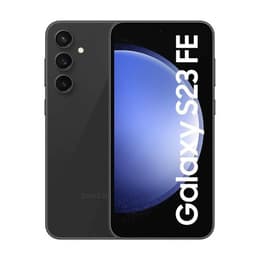
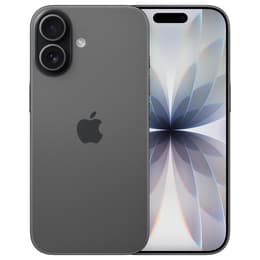
Galaxy S23 FE vs iPhone 17
- 1-year warranty
- Free standard shipping
- Free 30-day returns
Differences at a glance
The Samsung Galaxy S23 FE (2023) and the Apple iPhone 17 (2025) represent two distinct approaches to modern smartphone engineering across different operating systems. While the Galaxy S23 FE runs on Android with Samsung's custom interface, the iPhone 17 operates on Apple's iOS ecosystem. Beyond their software differences, these devices vary significantly in release timelines, hardware capabilities, and overall user interaction.
Available Models
Colour
Storage (GB)
Scores
Durability
When examining hardware longevity and maintenance support, both models offer distinct timelines shaped by their respective release years and software update policies.
- Software Support Window: The iPhone 17 benefits from Apple's extended update schedule, receiving system updates for several years post-release, whereas the Galaxy S23 FE operates on an earlier release timeline with a fixed multi-year support window ending sooner.
- Build and Repairability: Both devices feature robust water and dust resistance ratings alongside solid frame constructions, though parts availability and repair procedures vary between the Android and iOS ecosystems.
- Expected Lifespan: Users can anticipate solid operational longevity from both models, with the newer Apple device providing an extended window of official security patches.
Release year
2023
2025
Compatible with latest Update
Yes
Yes
Operating system
Android
iOS
Foldable
No
No
Performance
Under everyday conditions, both smartphones handle daily tasks, application loading, and multitasking efficiently while utilizing different internal memory configurations and system optimizations.
- Multitasking and Responsiveness: Both devices switch between open apps, render web pages, and handle demanding mobile games smoothly, maintaining system fluidity during heavy use.
- Storage Configurations: The Galaxy S23 FE offers fixed internal storage capacities starting at lower tiers, while the iPhone 17 provides higher base storage volumes out of the box.
- Battery Behavior: Battery endurance varies under sustained usage, with power management systems designed to support a full day of mixed browsing, messaging, and media playback before requiring a recharge.
Screen quality
Display technology differs between the two manufacturers, impacting outdoor visibility, motion smoothness, and overall visual clarity for daily media consumption.
- Display Panels and Refresh Rates: Both models utilize vibrant OLED display technology that delivers deep contrast levels, while featuring adaptive high refresh rates for smooth scrolling through content.
- Brightness and Outdoor Legibility: Peak brightness thresholds allow both screens to remain legible under direct sunlight, though the newer iPhone panel achieves higher maximum luminance levels.
- Dimensions: The Galaxy S23 FE features a 6.4-inch display, while the iPhone 17 provides a slightly modified 6.3-inch viewing area, catering to slightly different hand-feel preferences.
Audiovisual
Imaging hardware and software processing shape the photography, video recording, and audio output capabilities of each respective device.
- Camera Systems: The Galaxy S23 FE features a versatile triple-lens rear arrangement including a dedicated telephoto zoom lens, whereas the iPhone 17 relies on a dual-sensor layout utilizing high-resolution primary and ultra-wide lenses with digital zoom simulation.
- Video and Low-Light: Both smartphones capture detailed 4K video and process low-light scenes effectively, aided by built-in stabilization features.
- Audio Output: Stereo speaker setups on both devices deliver clear sound for media playback, calls, and virtual meetings.
Front camera
10 megapixels
18 megapixels
Miscellaneous
Practical everyday elements such as connectivity standards, physical dimensions, and security authentication methods define the physical interaction with each phone.
- Connectivity and Ports: Both models support widespread 5G networks, modern Wi-Fi protocols, and Bluetooth standards, utilizing a reversible USB-C port for charging and data transfer.
- Biometric Security: The Galaxy S23 FE offers under-display fingerprint recognition and facial scanning, while the iPhone 17 relies exclusively on secure facial mapping technology housed within its display notch area.
- Physical Dimensions: Weight distribution and body thickness differ slightly, influencing pocketability and single-handed usability for various user profiles.
Weight
209 oz
177 oz
Screen size (in)
6.4
6.3
Network
5G
5G
SIM card
Physical SIM
Physical SIM + eSIM
Carrier compatibility
Unlocked
Unlocked
What the community thinks
User discussions across community forums highlight distinct preferences for each device based on operating system familiarity and hardware priorities. Owners of the Galaxy S23 FE frequently praise its balanced feature set, versatile camera zoom capabilities, and reliable daily performance within the Android environment. Conversely, iPhone 17 users often emphasize the fluid display technology, robust build quality, and extended software support window as primary advantages.
Users prioritizing a dedicated optical zoom lens and a flexible Android interface may prefer the Galaxy S23 FE, while individuals seeking a high-refresh-rate display, integrated ecosystem connectivity, and long-term software updates will find the iPhone 17 well-suited to their needs. For consumers exploring sustainable options, choosing a quality-assured refurbished option provides an eco-friendly alternative that extends device lifecycles without compromising core functionality.